Anti-Inflammatory Diet Meal Plan: 7 Days + Food List
A simple 7-day anti-inflammatory diet meal plan with a food list, what to limit, what studies really show and a shopping list for the week.
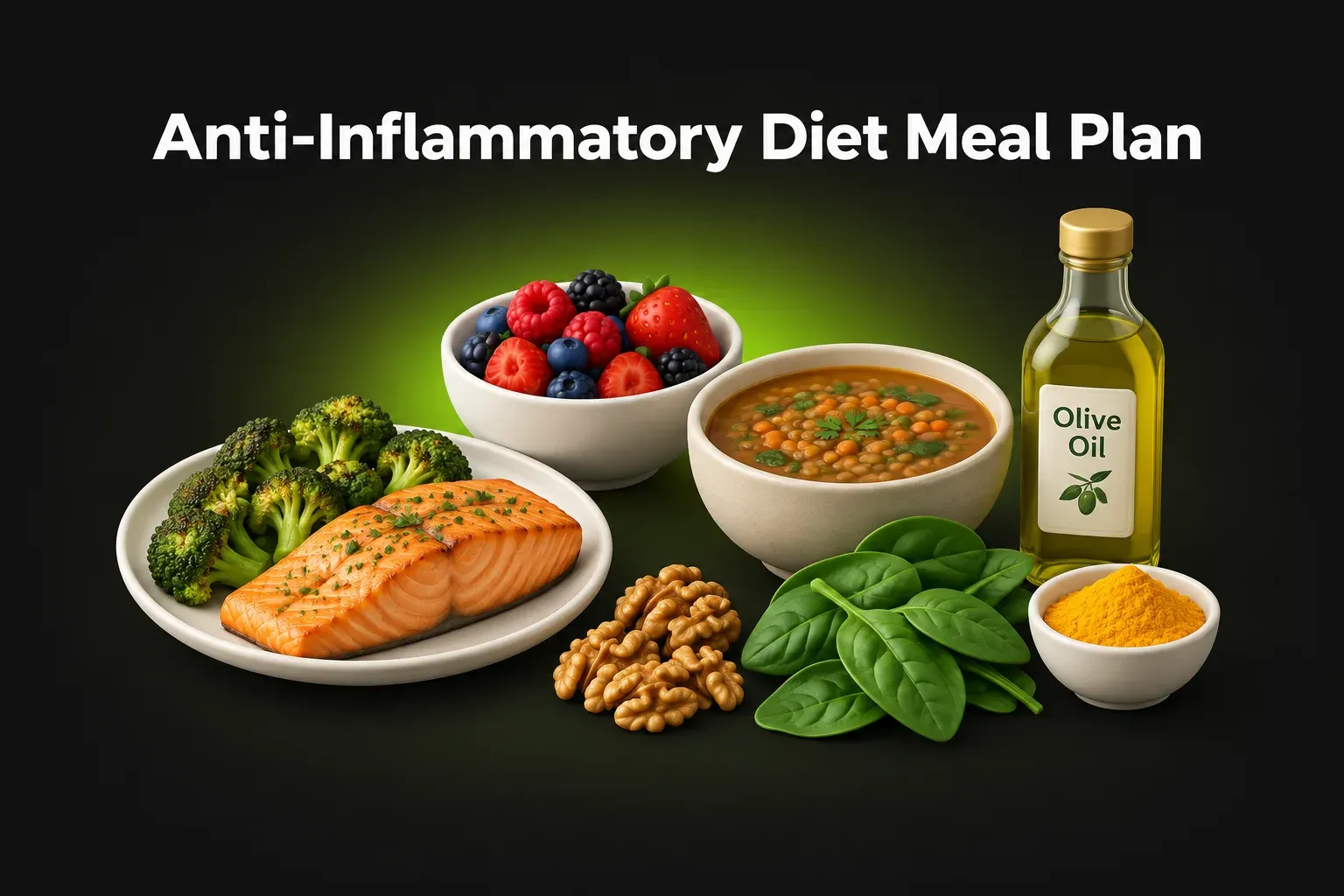
You’ve probably heard that inflammation is behind heart disease, joint pain, diabetes and more – and that an anti-inflammatory diet can help. But what do you actually eat on Monday morning? This guide turns the idea into a simple 7-day anti-inflammatory meal plan, with a food list and a shopping list.
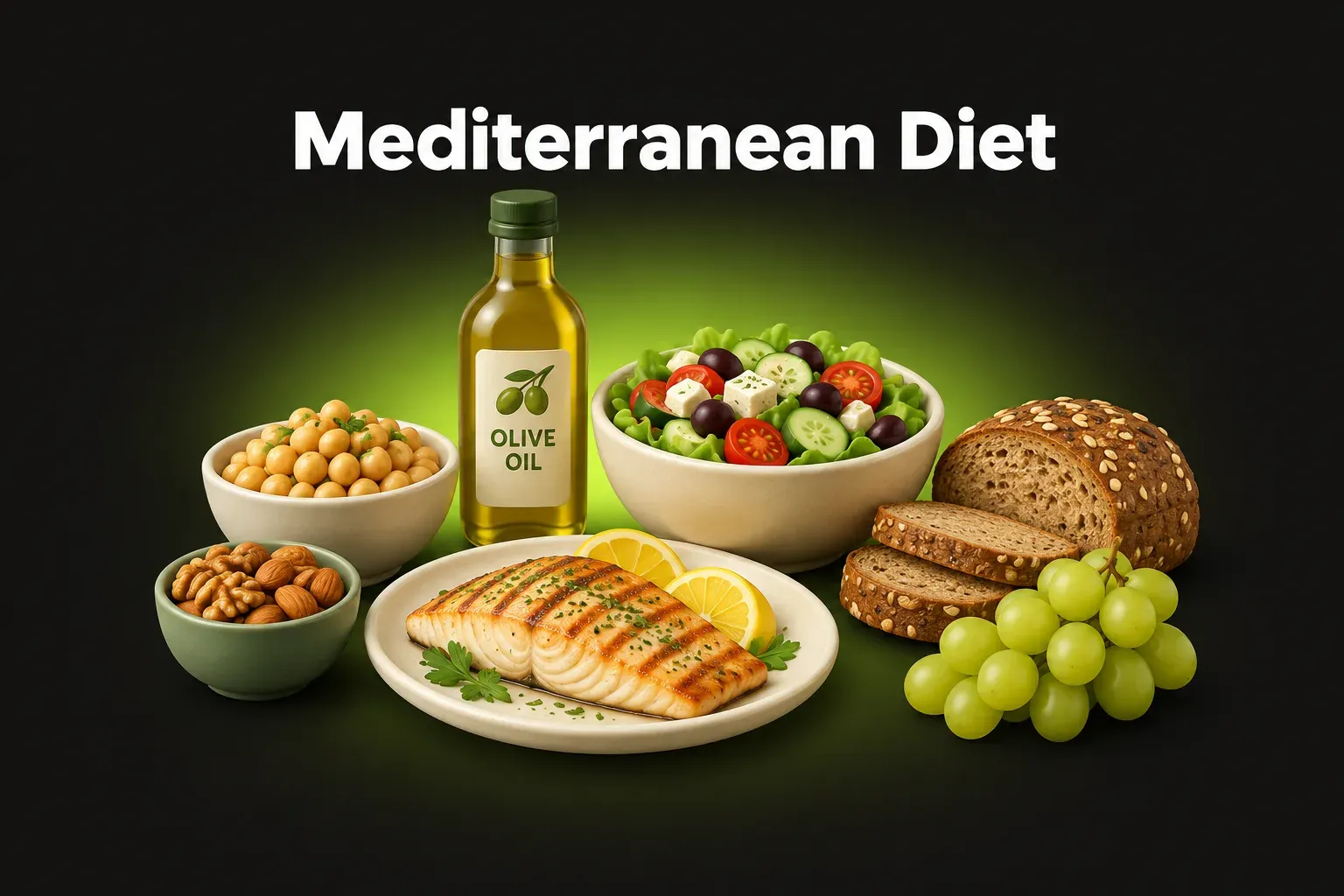
The short answer: an anti-inflammatory diet is lots of vegetables, fruit, beans, lentils, whole grains, nuts, olive oil and oily fish, and few ultra-processed foods, processed meats, sugary drinks, sweets and refined carbs. It looks a lot like the Mediterranean diet. Studies link this way of eating to less heart disease, and olive oil lowered inflammation markers in the blood. It’s not a quick cure, but a way to eat for the long term. The plan below gives about 1,400–1,600 calories a day – add portions if you need more.
What is inflammation?
Inflammation is the body’s defense system. When you cut yourself or catch a cold, your immune system sends cells and substances to fight germs and repair damage. This short-term, acute inflammation is useful.
The problem is chronic inflammation: a low level of inflammation that doesn’t go away and that you don’t feel. It can be kept going by overweight, smoking, too little exercise, stress, poor sleep and diet. Over years it’s linked to heart disease, type 2 diabetes, fatty liver, some cancers and arthritis. Doctors measure it with blood markers such as C-reactive protein (CRP) and interleukin-6 (IL-6).
What the studies show
- A more “inflammatory” diet and the heart. Researchers made a score, the “dietary inflammatory index”, that shows how much a way of eating may raise inflammation. In a review of 14 studies, people with the most inflammatory diets had a 36% higher risk of heart disease and dying from it (Shivappa et al., Nutrients, 2018). These are observational studies – they show links, not proof – but they fit with the rest.
- Olive oil. A review of 30 studies with more than 3,000 people found olive oil lowered CRP and IL-6 more than other fats (Schwingshackl et al., Nutrients, 2015).
- Oily fish and arthritis. A review of 42 studies found fish oil (omega-3) supplements slightly reduced pain, especially in rheumatoid arthritis (Senftleber et al., Nutrients, 2017).
- Fermented foods. In a Stanford study, 10 weeks of fermented foods such as yogurt, kefir, sauerkraut and kombucha lowered several inflammation markers (Wastyk et al., Cell, 2021).
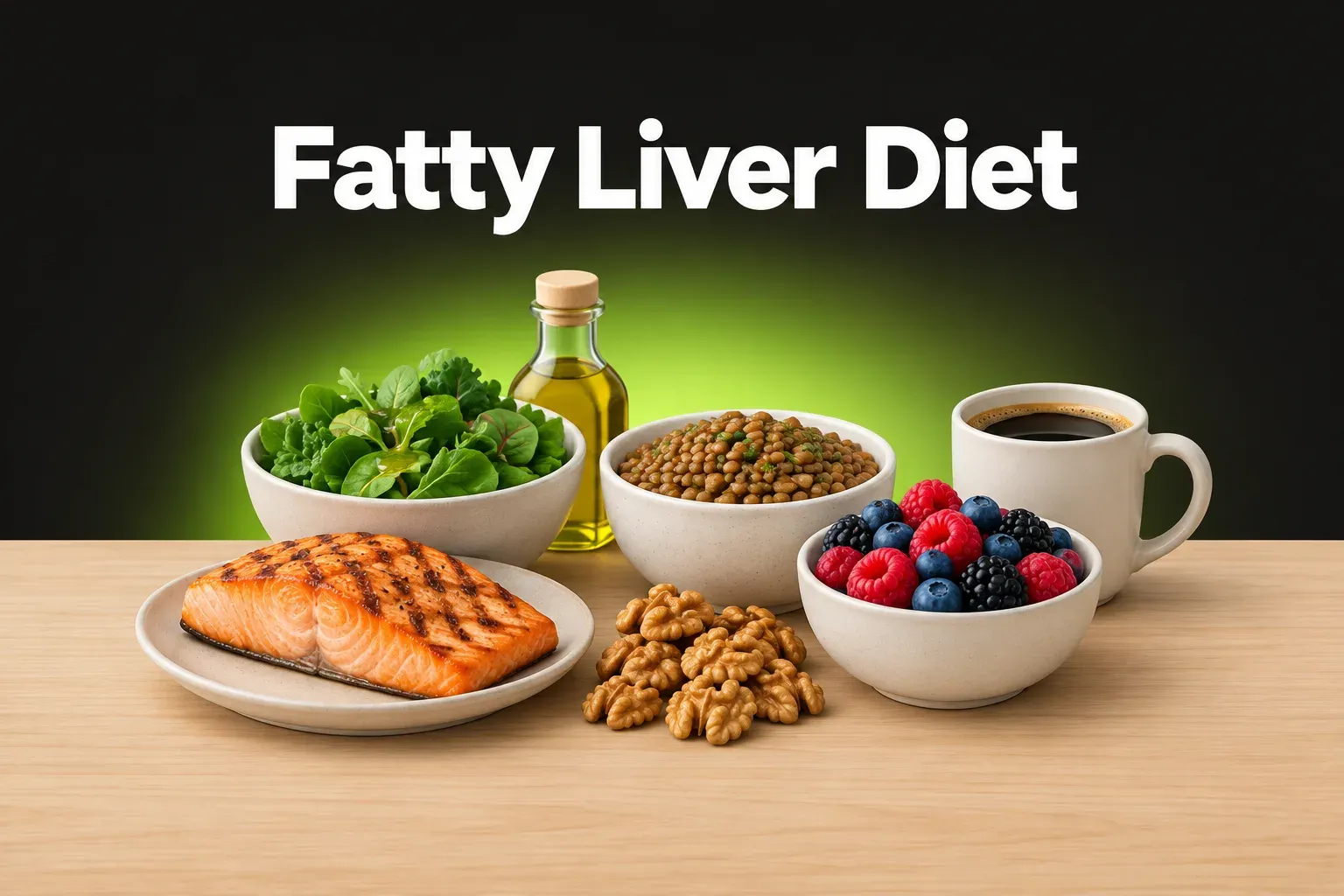
Anti-inflammatory food list
| Group | Examples | Why |
|---|---|---|
| Vegetables | Spinach, kale, broccoli, cabbage, peppers, tomatoes, carrots | Fiber, vitamins, antioxidants |
| Fruit | Berries, cherries, apples, oranges, pears | Polyphenols (antioxidants) |
| Beans and lentils | Lentils, chickpeas, black and white beans | Fiber, plant protein |
| Whole grains | Oats, brown rice, quinoa, whole-grain bread and pasta | Fiber |
| Nuts and seeds | Walnuts, almonds, flaxseed, chia, pumpkin seeds | Healthy fats, plant omega‑3 |
| Oil | Extra virgin olive oil | Healthy fats, polyphenols |
| Oily fish | Salmon, sardines, mackerel, trout | Omega‑3 (EPA and DHA) |
| Herbs and spices | Turmeric, ginger, garlic, cinnamon, herbs | Plant compounds |
| Fermented | Plain yogurt, kefir, sauerkraut | Good gut bacteria |
| Drinks | Water, green tea, coffee | Polyphenols |
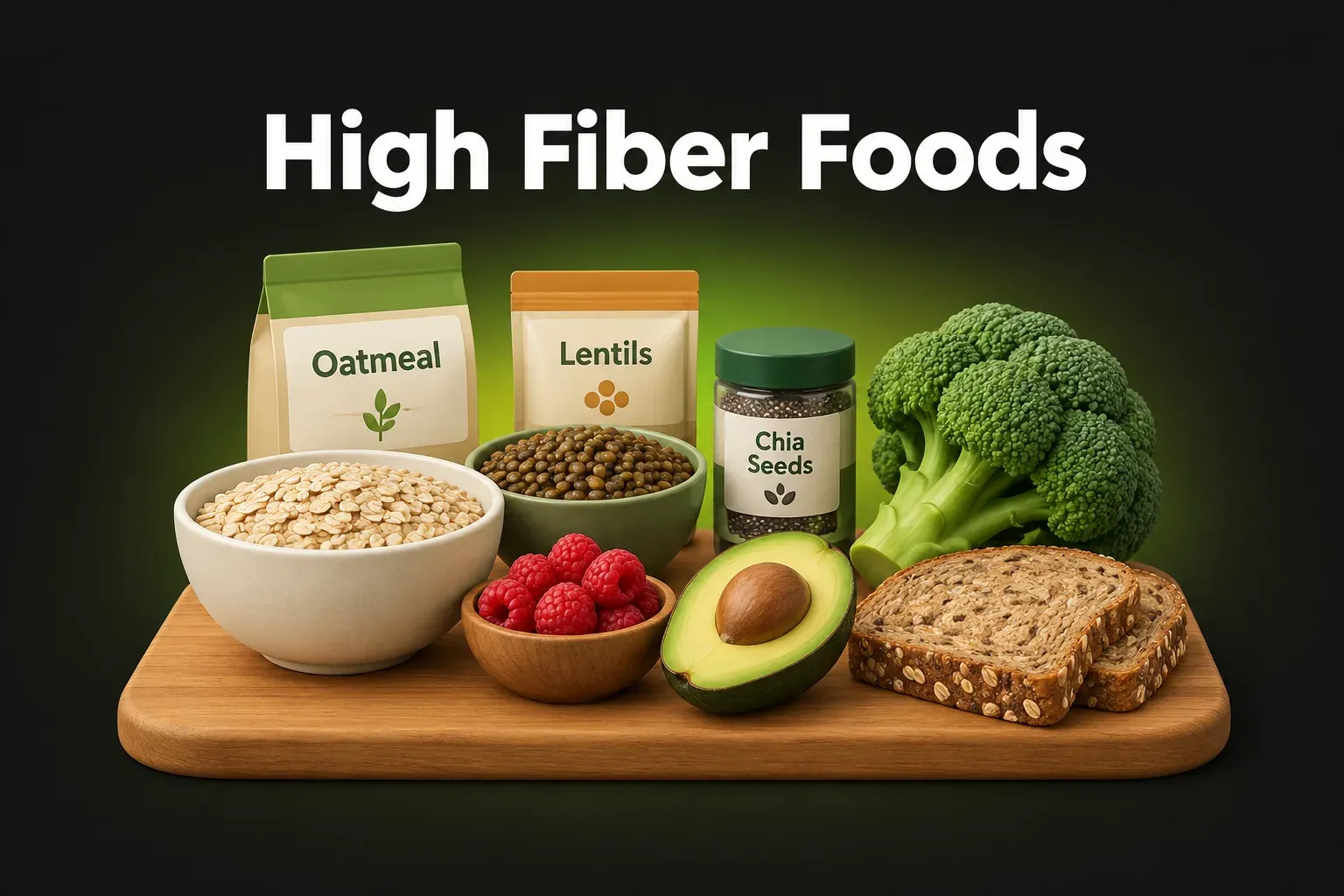
The fiber in these foods feeds the good bacteria in your gut, which make substances that calm inflammation. See our list of high-fiber foods.
Foods to limit
- Ultra-processed foods: chips, cookies, sugary cereals, ready meals. Read more about ultra-processed food.
- Processed meat: bacon, sausages, hot dogs, deli meat.
- Sugary drinks and sweets: soda, energy drinks, candy, pastries.
- Refined carbs: white bread, white pasta, white rice in large amounts.
- Fried food, especially in oil used again and again.
- Alcohol, especially more than one drink a day.
You don’t need to cut them out completely. What matters is what you eat most days, not the birthday cake.
7-day anti-inflammatory meal plan
Drink water, green tea or coffee with meals. Daily calories are based on USDA FoodData Central values and rounded.
Day 1
| Meal | What to eat |
|---|---|
| Breakfast | Overnight oats: ½ cup oats, 1 cup plain kefir, ½ cup blueberries, 1 tbsp ground flaxseed |
| Lunch | Mediterranean salad: greens, ½ cup chickpeas, tomatoes, cucumber, ¼ avocado, 1 oz feta, 1 tbsp olive oil + lemon, 1 slice whole-grain bread |
| Snack | 1 oz walnuts + 1 orange |
| Dinner | 4 oz baked salmon, 1½ cups roasted broccoli and peppers with 2 tsp olive oil, ½ cup quinoa |
Day 2
| Meal | What to eat |
|---|---|
| Breakfast | 2 eggs scrambled with spinach, tomatoes and a pinch of turmeric in 1 tsp olive oil, 1 slice whole-grain toast, ¼ avocado |
| Lunch | 1½ cups lentil and vegetable soup, side salad with 1 tsp olive oil, 1 slice whole-grain bread |
| Snack | 170 g plain Greek yogurt, ½ cup strawberries, 1 tbsp walnuts, cinnamon |
| Dinner | Chicken stir-fry with ginger and garlic: 4 oz chicken, 2 cups vegetables, 2 tsp oil, 1 cup brown rice |
Day 3
| Meal | What to eat |
|---|---|
| Breakfast | Smoothie: 1 cup kefir, 1 cup frozen berries, a handful of spinach, 1 tbsp almond butter, ½ banana |
| Lunch | Whole-wheat wrap with sardines in olive oil, greens, tomato and 2 tbsp hummus + 1 pear |
| Snack | Carrot and cucumber sticks with 2 tbsp hummus |
| Dinner | Chickpea and spinach curry with turmeric and ginger, 2 tsp olive oil, ½ cup brown rice, 2 tbsp plain yogurt on top |
| Evening | 1 oz almonds |
Day 4
| Meal | What to eat |
|---|---|
| Breakfast | 170 g plain Greek yogurt, ½ cup raspberries, 2 tbsp walnuts, 1 tsp honey |
| Lunch | Quinoa bowl: ¾ cup quinoa, ½ cup white beans, parsley, tomato, cucumber, 1 tbsp olive oil + lemon |
| Snack | 1 apple + 1 tbsp almond butter |
| Dinner | 4 oz baked trout, 1 small roasted sweet potato, green beans, side salad, 3 tsp olive oil in total |
| Evening | ½ oz dark chocolate (70% or more) |
Day 5
| Meal | What to eat |
|---|---|
| Breakfast | ½ cup oats cooked with 1 cup unsweetened soy milk, 1 tbsp chia seeds, ½ cup cherries |
| Lunch | Lentil salad: ¾ cup lentils, roasted peppers and zucchini, arugula, 1 oz feta, 1 tbsp olive oil |
| Snack | 1 orange + 1 oz pistachios |
| Dinner | Turkey and bean chili with tomatoes and peppers, ¼ avocado, side salad with 1 tsp olive oil |
Day 6
| Meal | What to eat |
|---|---|
| Breakfast | Whole-grain toast with ½ avocado, 1 poached egg and chili flakes + 1 orange |
| Lunch | 1½ cups bean and vegetable soup, 1 slice whole-grain bread with 1 tsp olive oil |
| Snack | 1 cup plain kefir + ½ cup berries |
| Dinner | Sheet-pan chicken thighs with cauliflower, onion and turmeric, 2 tsp olive oil, ½ cup brown rice |
| Evening | 1 oz walnuts |
Day 7
| Meal | What to eat |
|---|---|
| Breakfast | Shakshuka: 2 eggs baked in tomatoes and peppers with 1 tsp olive oil, 1 slice whole-grain bread |
| Lunch | Tuna and white bean salad: 1 can tuna, ½ cup white beans, red onion, parsley, tomatoes, 1 tbsp olive oil + lemon |
| Snack | 1 pear + 2 tbsp pumpkin seeds |
| Dinner | 1 cup whole-wheat pasta with tomato sauce, 4 oz shrimp, spinach and garlic in 2 tsp olive oil |
The week at a glance
| Day | About | Oily fish | Beans or lentils |
|---|---|---|---|
| Day 1 | 1,555 kcal | ✓ | ✓ |
| Day 2 | 1,575 kcal | – | ✓ |
| Day 3 | 1,545 kcal | ✓ | ✓ |
| Day 4 | 1,475 kcal | ✓ | ✓ |
| Day 5 | 1,445 kcal | – | ✓ |
| Day 6 | 1,485 kcal | – | ✓ |
| Day 7 | 1,380 kcal | – | ✓ |
You get oily fish 3 times and beans or lentils every day. Most men and active women need more calories: add a slice of whole-grain bread, a bigger portion of grains, more fish or chicken, or an extra snack of nuts and fruit. Our free calorie calculator shows how much you need.
Shopping list for the week
- Fish and protein: 1 salmon fillet, 1 trout fillet, 1 can sardines in olive oil, 1 can tuna, 4 oz shrimp, 4 oz chicken breast, 4 oz chicken thighs, 6 oz lean ground turkey, 1 dozen eggs
- Dairy and fermented: plain kefir (about 1 L), large tub plain Greek yogurt, feta, unsweetened soy milk
- Beans: dry or canned lentils, 1 can chickpeas, 1 can white beans, 1 can kidney or black beans
- Grains: rolled oats, quinoa, brown rice, whole-grain bread, whole-wheat tortillas, whole-wheat pasta
- Vegetables: spinach, arugula, salad greens, broccoli, cauliflower, 4 bell peppers, 2 zucchini, tomatoes, cucumbers, carrots, green beans, onions, garlic, ginger, 1 small sweet potato
- Fruit: blueberries, raspberries, strawberries and cherries (fresh or frozen), oranges, apples, pears, 1 banana, 2 avocados, lemons
- Pantry: extra virgin olive oil, walnuts, almonds, pistachios, pumpkin seeds, ground flaxseed, chia seeds, almond butter, hummus, canned tomatoes, tomato sauce, turmeric, cinnamon, chili flakes, honey, dark chocolate, green tea
What an anti-inflammatory diet can’t do
- It doesn’t cure autoimmune diseases or arthritis. It can support treatment, but it doesn’t replace medicine.
- It doesn’t work overnight. Inflammation markers fall over weeks to months.
- No single superfood does the job. Turmeric or chia seeds alone change little if the rest of your diet is mostly ultra-processed.
Besides food, inflammation also drops when you lose extra weight, move more, sleep enough and don’t smoke.
Make anti-inflammatory eating easy every week. With NutriSmart, you answer 3 quick questions and get a week of healthy recipes with the shopping list ready. Not in the mood for a meal? Swap it in one tap. Then snap a photo of what you eat, and the app counts the calories, protein, carbs, fat and fiber for you.Get the app free
The bottom line
An anti-inflammatory diet meal plan is built from vegetables, fruit, beans, lentils, whole grains, nuts, olive oil and oily fish, with few ultra-processed foods, processed meats, sugary drinks and refined carbs. Studies link this way of eating to less heart disease and lower inflammation markers, but it works over months, not days. Use the 7-day plan above as a start, eat oily fish two or three times a week, and add portions if you need more calories.
FAQ
What is an anti-inflammatory diet?
It's not a strict diet but a way of eating: lots of vegetables, fruit, beans and lentils, whole grains, nuts, olive oil and oily fish, and few ultra-processed foods, processed meats, sugary drinks, sweets and refined carbs. It's very close to the Mediterranean diet.
What do you eat in a day on an anti-inflammatory diet?
For example: oats with kefir, berries and flaxseed for breakfast, a big salad with chickpeas, feta and olive oil for lunch, walnuts and an orange as a snack, and baked salmon with roasted vegetables and quinoa for dinner.
Which foods cause inflammation?
Diets high in ultra-processed foods, processed meat, sugary drinks, sweets, refined carbs, fried food and a lot of alcohol are linked to higher inflammation markers in the blood. No single food is the problem – it's what you eat most days.
How long does it take for an anti-inflammatory diet to work?
In studies, inflammation markers in the blood dropped after several weeks to a few months of eating better. What counts is what you eat every day for the long term, not a short cleanse.
Does an anti-inflammatory diet help with arthritis?
It may help a little, alongside treatment. For example, fish oil slightly reduced pain in people with rheumatoid arthritis. But food doesn't replace medicine – talk to your doctor before changing your treatment.
Can you lose weight on an anti-inflammatory diet?
Yes. It's built on filling, low-calorie foods like vegetables and beans. But olive oil and nuts are high in calories, so portions matter. Losing extra weight also lowers inflammation by itself.