High Fiber Foods: List of the Foods With the Most Fiber
A list of high fiber foods – beans, whole grains, seeds, nuts, fruit and vegetables – with fiber per 100 g, how much fiber you need a day and how to eat more.
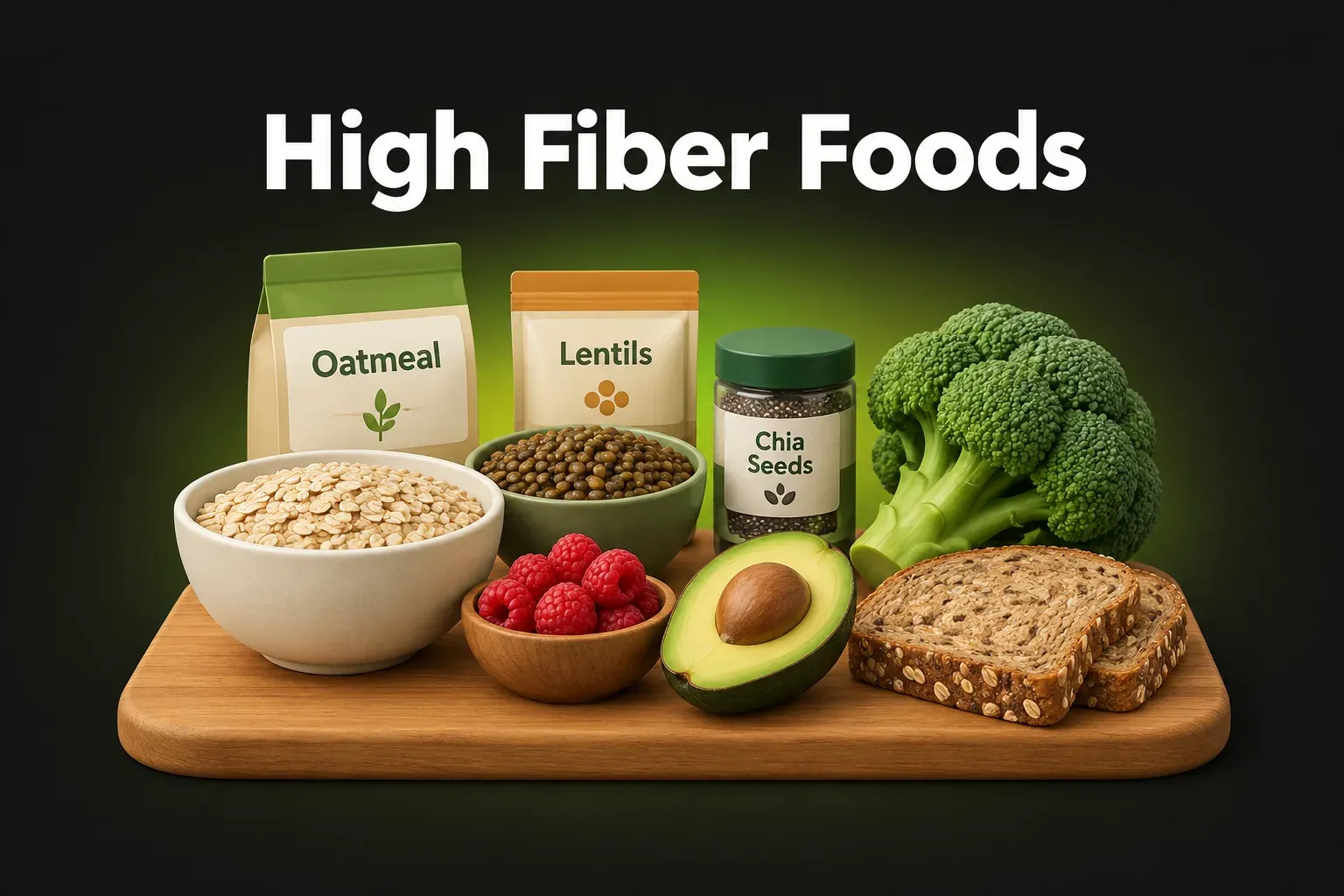
Fiber is the part of plant foods your body can’t digest – and that’s exactly why it’s so good for you. It keeps you full, feeds the good bacteria in your gut and slows down the rise in blood sugar after meals. Yet most people eat only about half of what they need. This list of high fiber foods shows where to find the most.
The short answer: the foods with the most fiber are beans, lentils and peas, whole grains like oats, seeds like chia and flax, nuts, berries and avocado. Adults need about 25 g of fiber a day (women) and 30–38 g (men), but most people eat only about 15 g. People who eat more fiber have 15–30% fewer deaths, heart disease, strokes, type 2 diabetes and colon cancer.
Values below are approximate, per 100 g of food (cooked where that’s how you eat it), from the US Department of Agriculture’s database (USDA FoodData Central).
Beans, lentils and peas
Beans, lentils and peas are the easiest way to eat a lot of fiber – and they add protein too.
| Food (100 g, cooked) | Fiber | A typical portion |
|---|---|---|
| Black beans | 8.7 g | 1 cup (172 g): 15 g |
| Split peas | 8.3 g | 1 cup (196 g): 16 g |
| Lentils | 7.9 g | 1 cup (198 g): 16 g |
| Chickpeas | 7.6 g | 1 cup (164 g): 12.5 g |
| Kidney beans | 6.4 g | 1 cup (177 g): 11 g |
| Green peas | 5.5 g | 1 cup (160 g): 9 g |
Whole grains
| Food (100 g) | Fiber |
|---|---|
| Wheat bran | 43 g |
| Popcorn (air-popped) | 15 g |
| Oats (dry) | 11 g |
| Whole-wheat bread | 6–7 g |
| Whole-wheat pasta (cooked) | 4 g |
| Pearl barley (cooked) | 3.8 g |
| Quinoa (cooked) | 2.8 g |
| Brown rice (cooked) | 1.8 g |
| White rice (cooked) | 0.4 g |
Look at the difference between brown and white rice: when grains are made white (refined), they lose most of their fiber. The same goes for white bread and white pasta.
Seeds and nuts
| Food (100 g) | Fiber | A typical portion |
|---|---|---|
| Chia seeds | 34 g | 2 tablespoons (24 g): 8 g |
| Flaxseed | 27 g | 2 tablespoons (20 g): 5.5 g |
| Almonds | 12.5 g | 1 handful (28 g): 3.5 g |
| Dark chocolate (70–85%) | 11 g | 2 squares (20 g): 2 g |
| Pistachios | 10.6 g | 1 handful (28 g): 3 g |
| Sunflower seeds | 8.6 g | 2 tablespoons (18 g): 1.5 g |
Seeds and nuts are also high in calories, so a handful or a couple of tablespoons is enough.
Fruit
| Food (100 g) | Fiber |
|---|---|
| Dried figs | 9.8 g |
| Prunes | 7.1 g |
| Avocado | 6.7 g |
| Raspberries | 6.5 g |
| Blackberries | 5.3 g |
| Pear (with skin) | 3.1 g |
| Banana | 2.6 g |
| Apple (with skin) | 2.4 g |
| Orange | 2.4 g |
| Strawberries | 2.0 g |
Whole fruit beats juice: a glass of orange juice has almost no fiber, while an orange has about 3 g.
Vegetables
| Food (100 g) | Fiber |
|---|---|
| Broccoli (cooked) | 3.3 g |
| Sweet potato (baked, with skin) | 3.3 g |
| Carrots (raw) | 2.8 g |
| Brussels sprouts (cooked) | 2.6 g |
| Cauliflower (cooked) | 2.3 g |
| Potato (baked, with skin) | 2.2 g |
| Spinach (raw) | 2.2 g |
Vegetables have less fiber per 100 g than beans or seeds, but you can eat large portions for very few calories.
How much fiber do you need?
| Fiber per day | |
|---|---|
| Women (US recommendation) | about 25 g |
| Men (US recommendation) | 31–38 g |
| Adults (European recommendation) | at least 25 g |
| What most people actually eat | about 15 g |
The US recommendation is 14 g of fiber for every 1,000 calories you eat.
Why fiber matters: what the research says
In a large review published in The Lancet, researchers combined 185 studies that followed people for years and 58 clinical trials. People who ate the most fiber had 15–30% fewer deaths, heart attacks, strokes, cases of type 2 diabetes and colon cancer than those who ate the least. The biggest benefits appeared at 25–29 g a day, and even more seemed better (Reynolds et al., The Lancet, 2019).
Fiber helps in several ways:
- Keeps you full – useful when you want to lose weight
- Feeds your gut bacteria, which turn it into healthy substances that protect your gut
- Slows the rise in blood sugar after meals, so foods high in fiber usually have a lower glycemic index
- Lowers cholesterol – especially the fiber in oats, beans and fruit
- Keeps your bowels regular and prevents constipation
A day with 30 g of fiber: an example
| Meal | What you eat | Fiber |
|---|---|---|
| Breakfast | Oatmeal (50 g oats) with a handful of raspberries and 1 tbsp chia | 13 g |
| Snack | An apple and a handful of almonds | 8 g |
| Lunch | Lentil soup with a slice of whole-wheat bread | 10 g |
| Dinner | Chicken with 150 g of broccoli and a baked sweet potato | 10 g |
| Total | about 41 g |
How to eat more fiber
- Start the day with oats and add berries, seeds or nuts.
- Eat beans, lentils or chickpeas a few times a week – in soups, stews, salads or as hummus.
- Choose whole grains: whole-wheat bread and pasta, brown rice, barley.
- Eat whole fruit instead of juice, and leave the skin on apples, pears and potatoes.
- Fill half your plate with vegetables.
- Snack on popcorn, nuts or fruit instead of chips and cookies.
- Increase fiber slowly over a few weeks and drink enough water, to avoid gas and bloating.
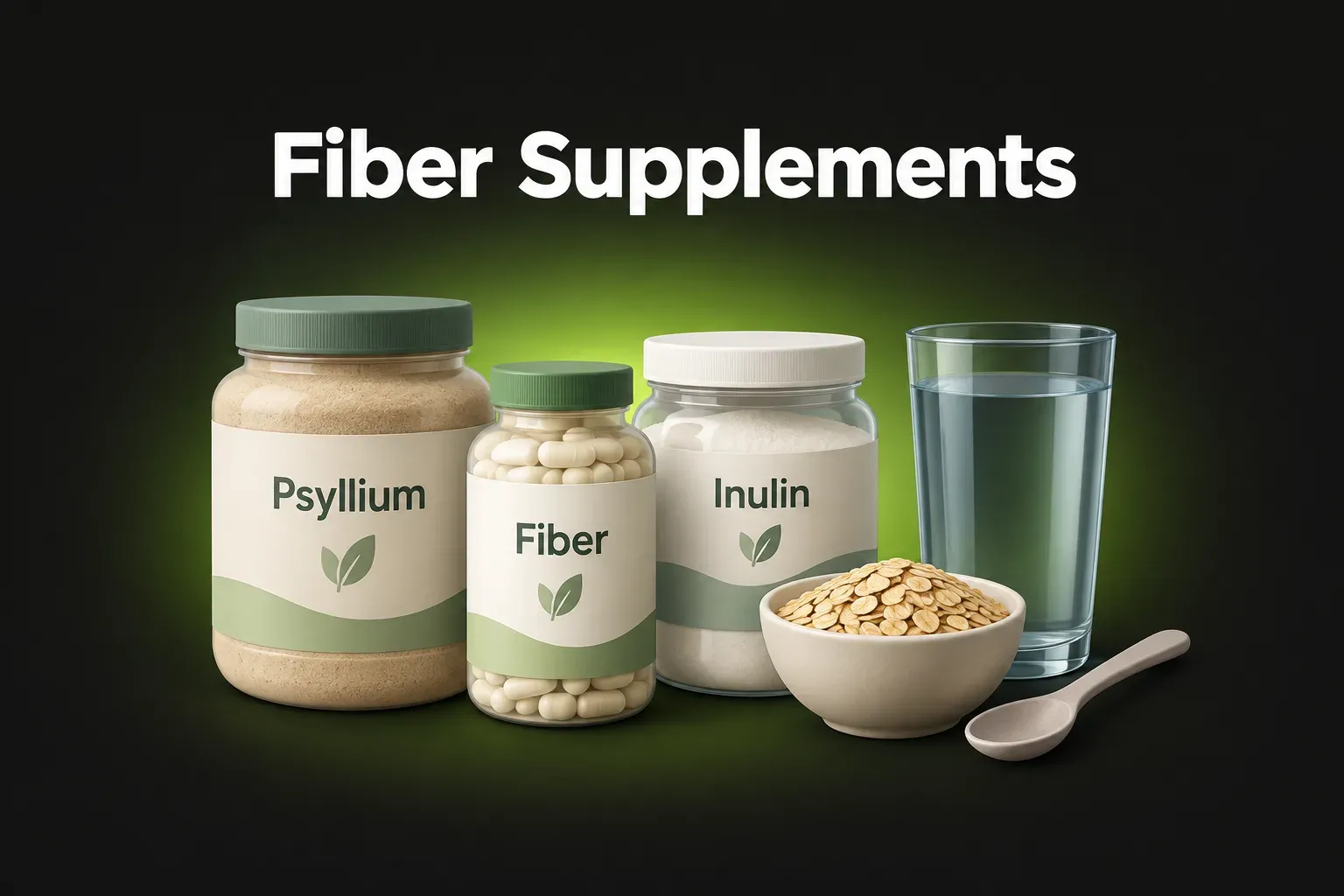
- If you still fall short, a psyllium husk supplement can help – always with a large glass of water. See which fiber supplements work best.
Track your fiber without guesswork. With NutriSmart, you snap a photo of what you eat, and the app counts your calories, protein, carbs, fat and fiber. In the food library, you can also see the glycemic index of each food.Get the app free
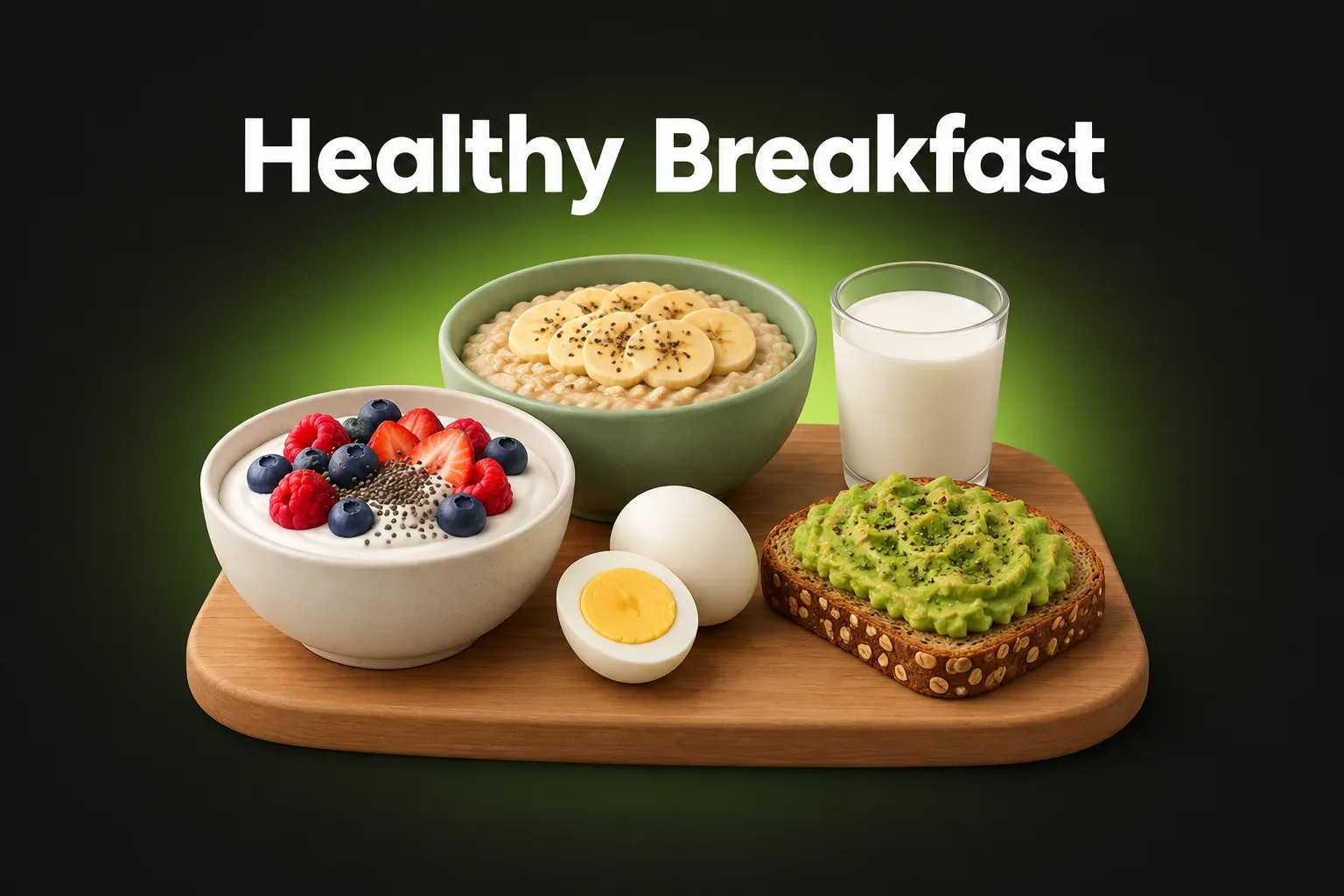
Our calorie calculator shows how many calories you need. For fiber-rich meals all day, see the Mediterranean diet and our healthy breakfast ideas.
The bottom line
The foods with the most fiber are beans, lentils, whole grains, seeds, nuts, berries and avocado. Adults need about 25–38 g a day, but most eat only half of that. People who eat more have less heart disease, diabetes and colon cancer. Add fiber slowly, drink enough water, and choose whole foods over refined ones.
FAQ
What foods are highest in fiber?
Per 100 g, the richest sources are wheat bran (43 g), chia seeds (34 g), flaxseed (27 g), popcorn (15 g), almonds (13 g), dark chocolate (11 g), oats (11 g) and dried figs (10 g). Among everyday foods, beans, lentils, split peas and chickpeas (6–9 g cooked), avocado (7 g) and raspberries (6.5 g) are the easiest way to get more fiber.
How much fiber do I need per day?
In the US, the recommendation is about 14 g per 1,000 calories – roughly 25 g a day for women and 31–38 g for men. The European Food Safety Authority recommends at least 25 g a day for adults. Most people eat only about 15 g.
What fruits are high in fiber?
Raspberries (6.5 g per 100 g), blackberries (5.3 g), avocado (6.7 g), dried figs (9.8 g), prunes (7.1 g), pears (3.1 g), apples with the skin (2.4 g) and bananas (2.6 g). Whole fruit has much more fiber than juice.
What vegetables are high in fiber?
Green peas (5.5 g per 100 g cooked), broccoli (3.3 g), sweet potatoes with the skin (3.3 g), carrots (2.8 g), Brussels sprouts (2.6 g) and potatoes with the skin (2.2 g). Leaving the skin on adds fiber.
What are the benefits of eating more fiber?
Fiber keeps you full, helps you go to the toilet regularly, feeds healthy gut bacteria and makes blood sugar rise more slowly after meals. A large review in The Lancet found that people who eat the most fiber have 15–30% fewer deaths, heart disease, strokes, type 2 diabetes and colon cancer.
Can you eat too much fiber?
If you add a lot of fiber quickly, you may get gas, bloating or cramps. Increase it gradually over a few weeks and drink enough water. Very high amounts from supplements can also make your body take in fewer minerals from food.