Healthiest Bread: Is Sourdough Best? 9 Types Ranked
Which bread is healthiest? 9 breads ranked by fiber, whether sourdough is really better, label tricks like "multigrain" and additives to skip.
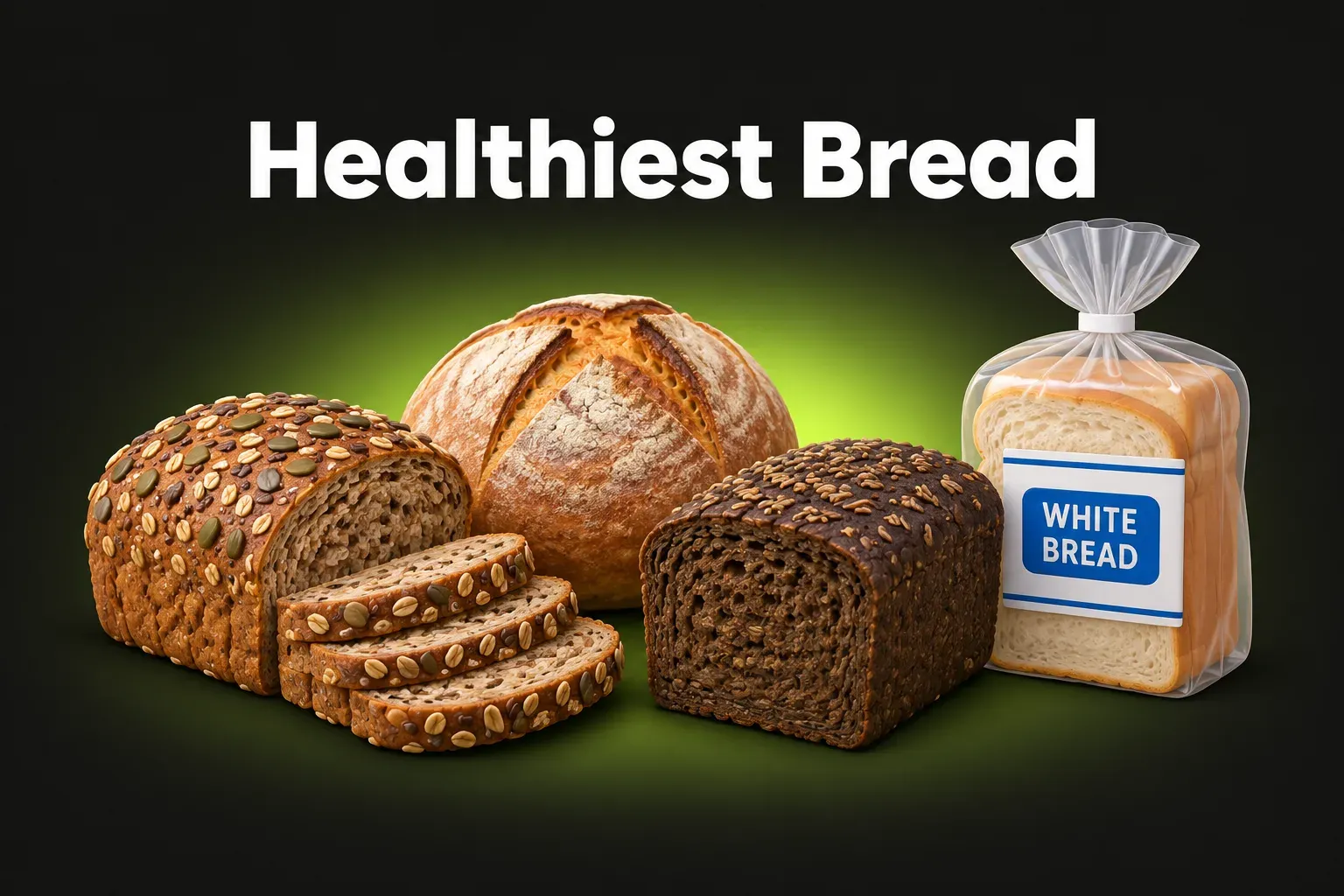
Bread gets a bad name in many diets. But the right bread is one of the easiest ways to eat more whole grains and fiber. The problem is that the healthy-looking loaves on the shelf – brown, “wheat”, “multigrain”, sprinkled with seeds – are often mostly white flour. Here’s how to find the healthiest bread, and whether sourdough really deserves its reputation.
The short answer: the healthiest breads are made from 100% whole grains: sprouted whole-grain bread, 100% whole wheat, dense whole-grain rye and whole-grain sourdough. Check that a whole grain is the first ingredient, that a slice has at least 2–3 g of fiber, and that there’s little added sugar. Sourdough isn’t magic – white sourdough is still white bread – but real sourdough usually has fewer additives.
How to pick a healthy bread: 5 checks
| Check | Aim for | Why |
|---|---|---|
| First ingredient | “Whole wheat flour”, “whole rye”, “whole grain…” | “Wheat flour” or “enriched flour” is white flour |
| Fiber | 2–3 g or more per slice | A sign it’s really whole grain |
| Added sugar | 0–2 g per slice | Many breads add sugar, honey or syrup |
| Sodium | Under 200 mg per slice | Bread is one of the top sources of salt |
| Ingredient list | Short | Fewer preservatives and dough conditioners |
In 2024, the US Food and Drug Administration set new rules for the word “healthy” on labels. A grain food needs at least ¾ ounce of whole grain, and no more than 5 g of added sugar and 230 mg of sodium per serving (FDA).
Salt adds up fast. In a study of what Americans eat, bread, rolls and buns were the second-biggest source of sodium, right after pizza (Ahmed et al., Nutrients, 2023). Two sandwiches a day can mean 4–6 slices.
Breads ranked from healthiest to least healthy
Numbers are typical per slice and differ a lot by brand and slice size. Check the label.
| Bread | Fiber per slice | Verdict |
|---|---|---|
| Sprouted whole‑grain | 3 g | Best choice; often no added sugar |
| Dense whole‑grain rye | 3–4 g | Best choice; very filling |
| 100% whole wheat | 2–3 g | Great; check added sugar |
| Whole‑grain sourdough | 2–3 g | Great; usually few additives |
| Oat or seeded bread | 1–3 g | Good only if whole grain is first |
| “Wheat” or multigrain | 1–2 g | Often mostly white flour |
| White sourdough | about 1 g | Better ingredients than white bread, same flour |
| Gluten‑free white | 0–1 g | Only if you need it; often many additives |
| White sandwich bread | under 1 g | Least healthy; fast-digesting starch |
Is sourdough the healthiest bread?
Sourdough is made with a starter – wild yeast and lactic acid bacteria – instead of only baker’s yeast. The dough rises slowly, for many hours. This gives it its sour taste.
You’ve probably heard it’s better for blood sugar. The evidence is weaker than you’d think. A 2026 review of 27 human studies concluded there’s not enough convincing proof that sourdough is better for blood sugar or insulin than regular yeast bread (Starowicz et al., Frontiers in Nutrition, 2026). The flour matters much more than the method.
Sourdough still has real advantages:
- Real sourdough has few ingredients – flour, water, salt. It stays fresh longer without preservatives.
- Long rising breaks down some fructans, a type of carb that can cause bloating in people with IBS. Some people find it easier to digest.
But white sourdough is still white flour. And many supermarket “sourdough” loaves use regular yeast plus vinegar or “sourdough flavor”. Check the label: real sourdough lists a starter or leaven and no baker’s yeast. For the best of both, choose whole-grain sourdough.
Why whole grains matter
Whole grains keep the bran (the outer layer) and the germ (the seed), where most of the fiber, vitamins, minerals and healthy fats are. White flour has only the starchy middle.
A large review combined 45 studies. People who ate 90 g of whole grains a day – for example, two slices of whole-grain bread and a bowl of whole-grain cereal – had a 19% lower risk of heart disease and a 17% lower risk of dying early than people who ate almost none (Aune et al., BMJ, 2016). These studies show a link, not proof, but the results were consistent. Whole-grain bread was one of the foods linked to lower risk.
Whole-grain bread also has more fiber, which keeps you full and helps digestion. See our list of high-fiber foods.
Label tricks to watch for
- “Wheat bread” or “made with wheat flour” – all flour is wheat flour. Only “whole wheat” means whole grain.
- “Multigrain” or “7-grain” – several grains, but they can all be refined.
- “Made with whole grain” – may contain only a little.
- Brown color – can come from molasses or caramel color, not whole grains.
- Seeds on top – nice, but they don’t make white flour whole grain.
- “Enriched flour” – white flour with a few vitamins added back.
Additives to skip in bread
Fresh bakery bread usually has flour, water, yeast and salt. Packaged bread that stays soft for two weeks often has more:
- Calcium propionate – a preservative in most packaged bread. In a Harvard study, it raised hormones that push blood sugar up.
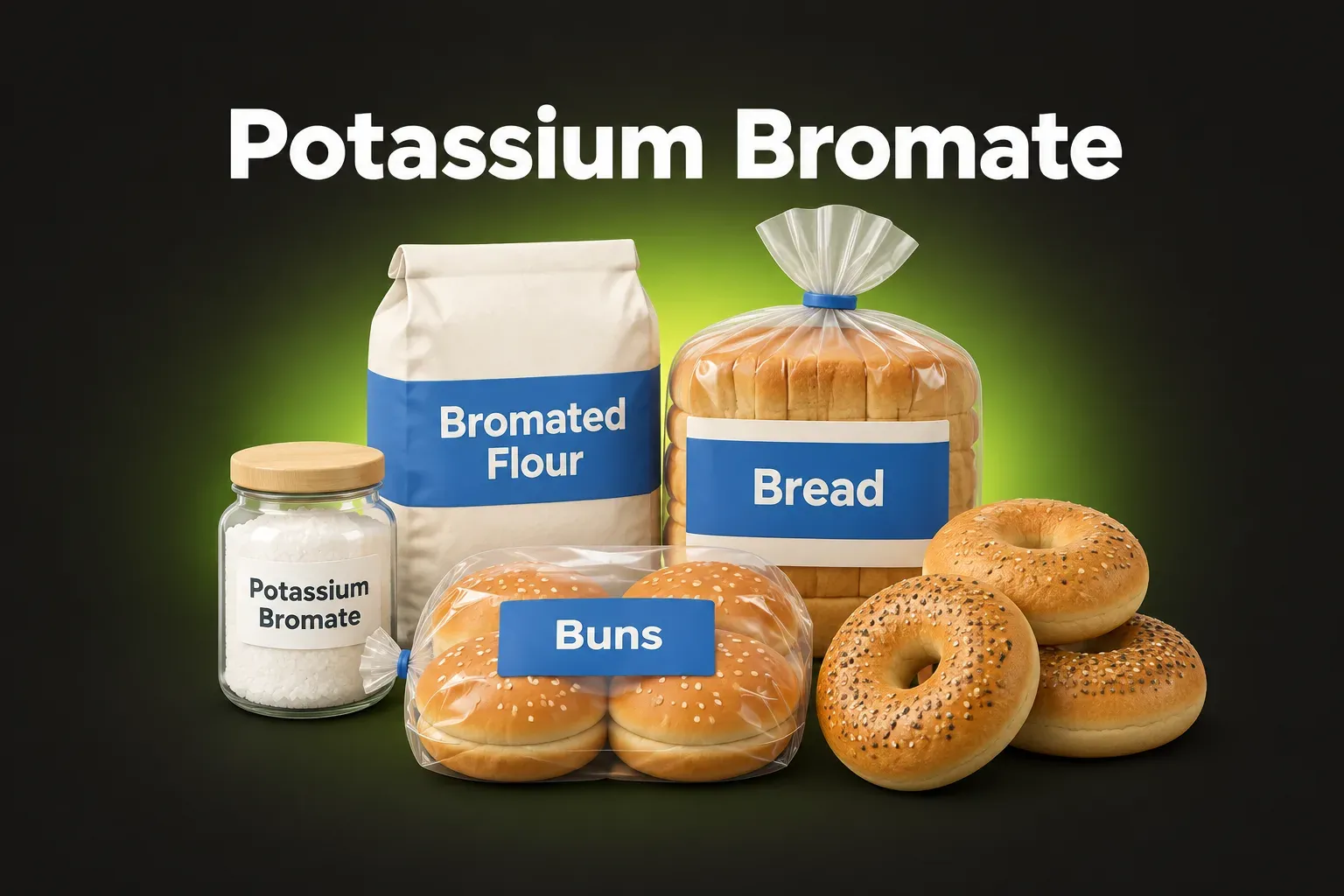
- Potassium bromate – a flour improver that caused cancer in rats. It’s banned in the EU, UK, Canada and many other countries, but still allowed in the US.
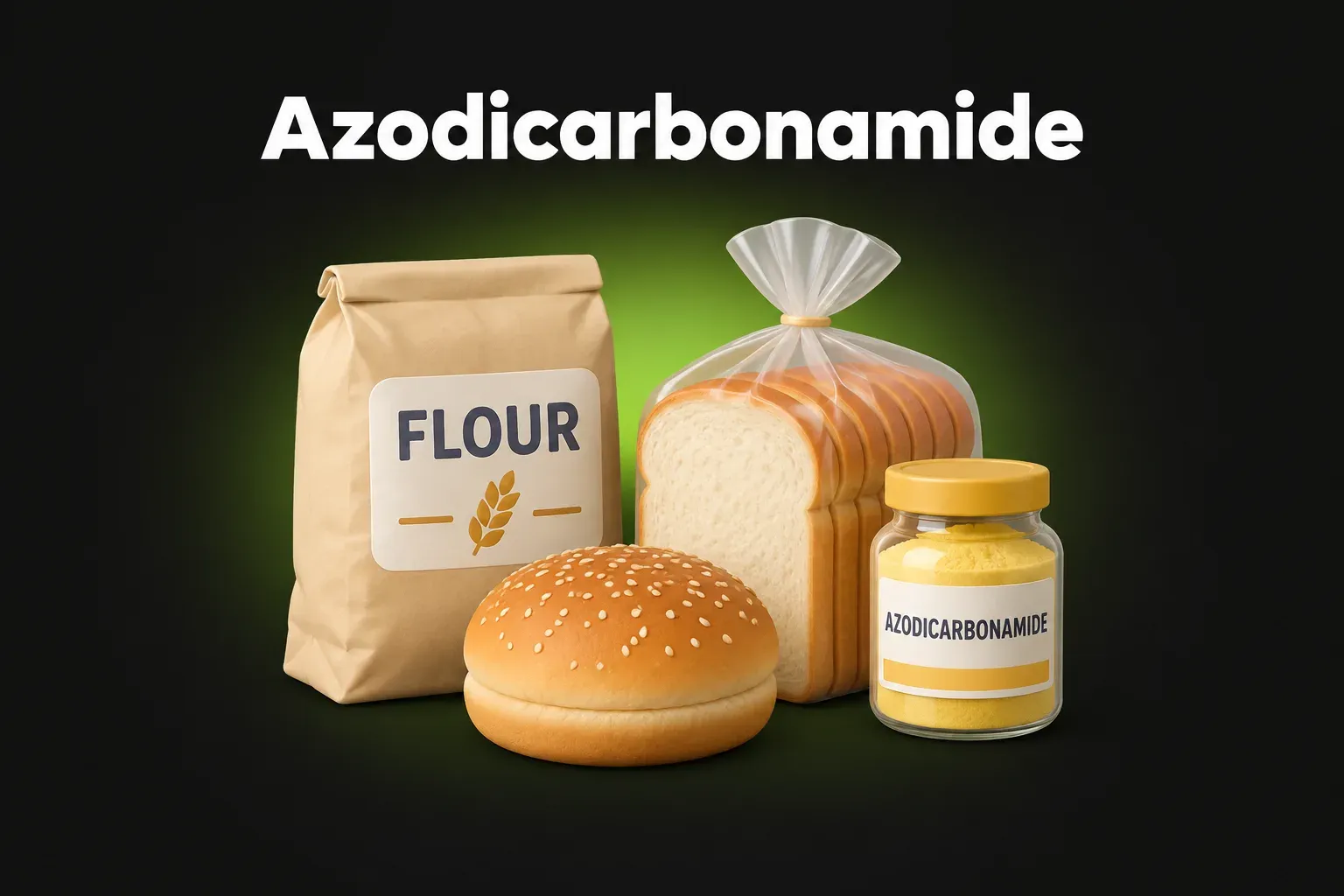
- Azodicarbonamide – a dough conditioner banned in the EU, UK and Australia; when bread is baked, it forms small amounts of urethane, a probable carcinogen.
- Mono- and diglycerides, DATEM and soy lecithin – keep bread soft.
- High-fructose corn syrup and other sugars.
Gluten-free and low-carb breads often have the longest lists. They replace gluten with starches, gums like xanthan gum, and added fibers like inulin.
Tips for eating bread in a healthy way
- Switch to 100% whole grain for everyday bread. Start with half whole, half white if your family needs time.
- Keep sliced whole-grain bread in the freezer – it lasts weeks without preservatives.
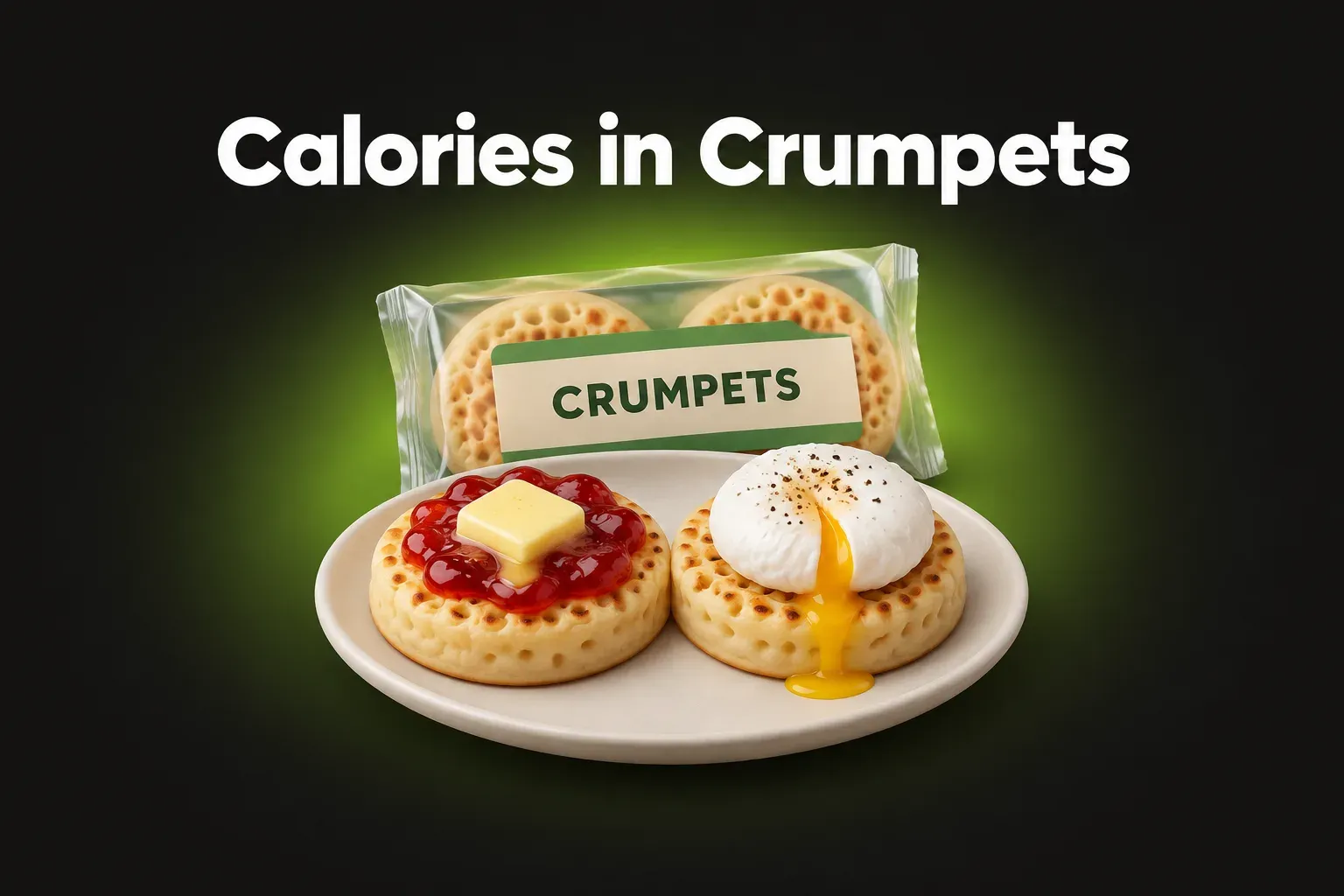
- Watch the toppings. Butter, jam and sweet spreads can add more calories than the bread.
- Add protein – eggs, hummus, cottage cheese or tuna – to make toast a full meal.
- Count slices if you’re losing weight. A slice is usually 70–110 calories, and thick bakery slices can be double.
Compare breads in seconds. With NutriSmart, you photograph the label or scan the barcode. The app checks the fiber, sugar and salt, highlights preservatives and other additives, and gives the bread a health score out of 100.Get the app free
Prefer crumpets? See how they compare in our guide to calories in crumpets.
The bottom line
The healthiest bread is made from 100% whole grains, with at least 2–3 g of fiber per slice, little sugar and a short ingredient list. Sprouted grain, 100% whole wheat, dense rye and whole-grain sourdough are the best choices. Sourdough isn’t automatically healthier – white sourdough is still white flour – but real sourdough usually skips the preservatives. Ignore “wheat”, “multigrain” and brown color, and read the first ingredient instead.
FAQ
What is the healthiest bread?
Bread made from 100% whole grains, with a short ingredient list. Sprouted whole-grain bread, 100% whole wheat bread, dense whole-grain rye and whole-grain sourdough are the best picks. Look for a whole grain as the first ingredient, at least 2–3 g of fiber per slice, little added sugar and no preservatives you don't need.
Is sourdough the healthiest bread?
Not by itself. A 2026 review of 27 human studies found no convincing proof that sourdough is better for blood sugar than regular yeast bread. What matters more is the flour: whole-grain sourdough is a great choice, while white sourdough is still mostly white flour. Real sourdough often has fewer additives, though.
Is whole wheat bread better than white bread?
Yes, if it's 100% whole wheat. It has two to four times more fiber, plus more vitamins and minerals. People who eat more whole grains have a lower risk of heart disease. "Wheat bread" that isn't labeled 100% whole wheat is often mostly white flour.
What is the healthiest bread for weight loss?
Bread with plenty of fiber and protein keeps you full longer, so sprouted grain, 100% whole wheat or whole-grain rye are good choices. Watch the slice size and what you put on it – butter, jam and spreads often add more calories than the bread.
Is rye bread healthy?
Dense whole-grain rye bread is one of the healthiest breads – it's high in fiber and very filling. But many "rye" breads in the US are mostly white wheat flour with a little rye and coloring. Check that whole rye flour or rye kernels are the first ingredient.
Is multigrain bread healthy?
Not necessarily. "Multigrain" only means the bread has more than one kind of grain – they can all be refined. Look for "100% whole grain" or a whole grain as the first ingredient instead.