Mono and Diglycerides (E471): Are They Bad for You?
What mono- and diglycerides (E471) are, why they're in bread and ice cream, the hidden trans fat issue, and what large studies show about cancer and heart disease.
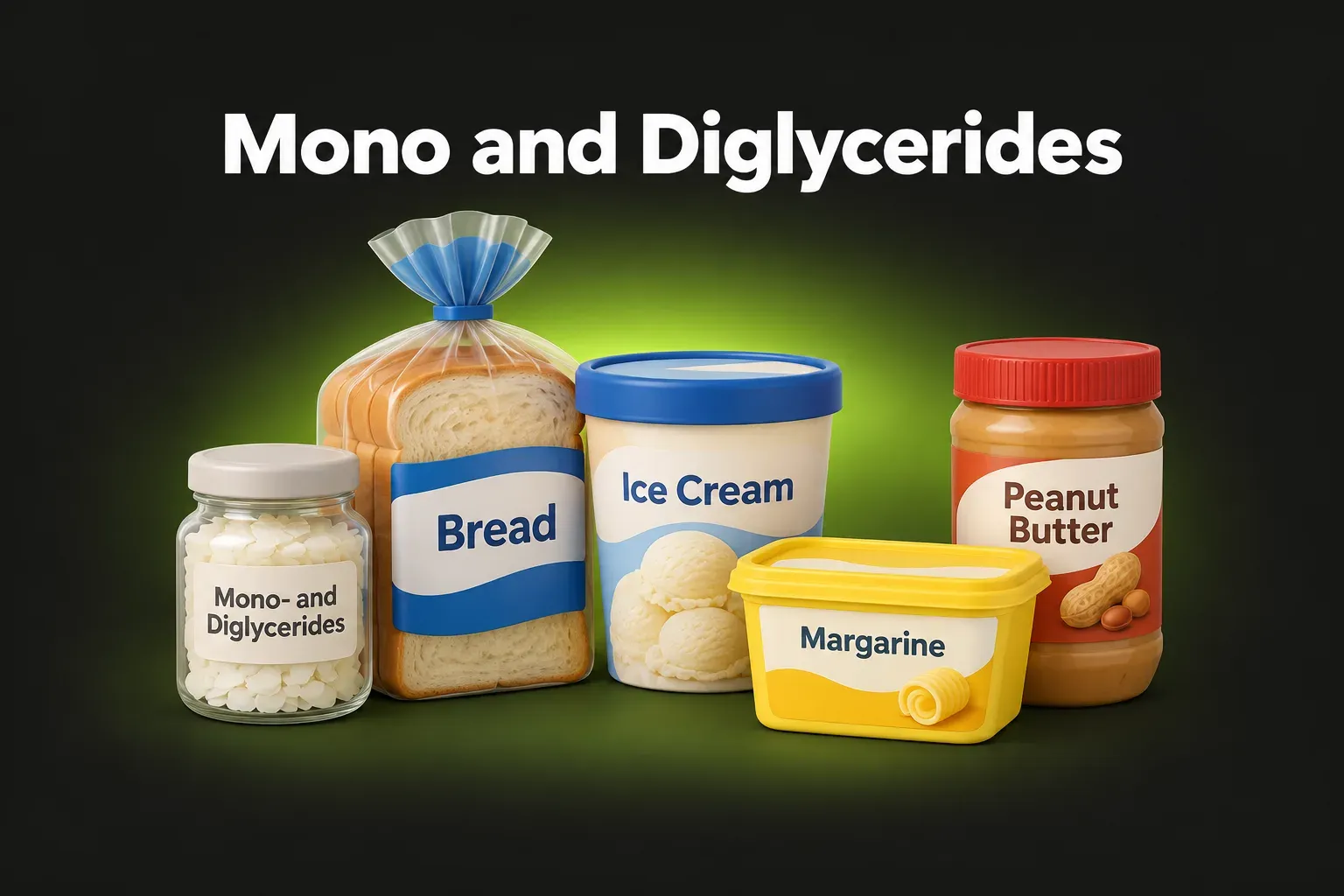
Mono- and diglycerides are among the most common emulsifiers in the world. They keep packaged bread soft for days, make ice cream smooth, stop peanut butter from separating and help margarine spread. Most people have never heard of them – yet they eat them almost every day.
The short answer: regulators consider mono- and diglycerides safe. But a large French study of over 100,000 adults found that people who ate more of them had a higher risk of cancer, especially breast and prostate cancer. They also had a higher risk of heart disease. In mice, they disturbed gut bacteria and increased inflammation. They can also contain trans fat that doesn’t show on the label. There’s no proof yet that they cause disease, but the evidence is strong enough to limit them.
What are mono- and diglycerides?
Most fat in food is made of triglycerides: a small backbone (glycerol) with three fatty acids attached. Monoglycerides have one fatty acid and diglycerides have two. One end of them likes fat and the other likes water, so they can hold oil and water together.
They’re made by heating fats or oils with glycerol. The source can be:
- vegetable oils – soybean, palm, canola, sunflower
- animal fats – beef tallow or lard (less common, and the label usually doesn’t say)
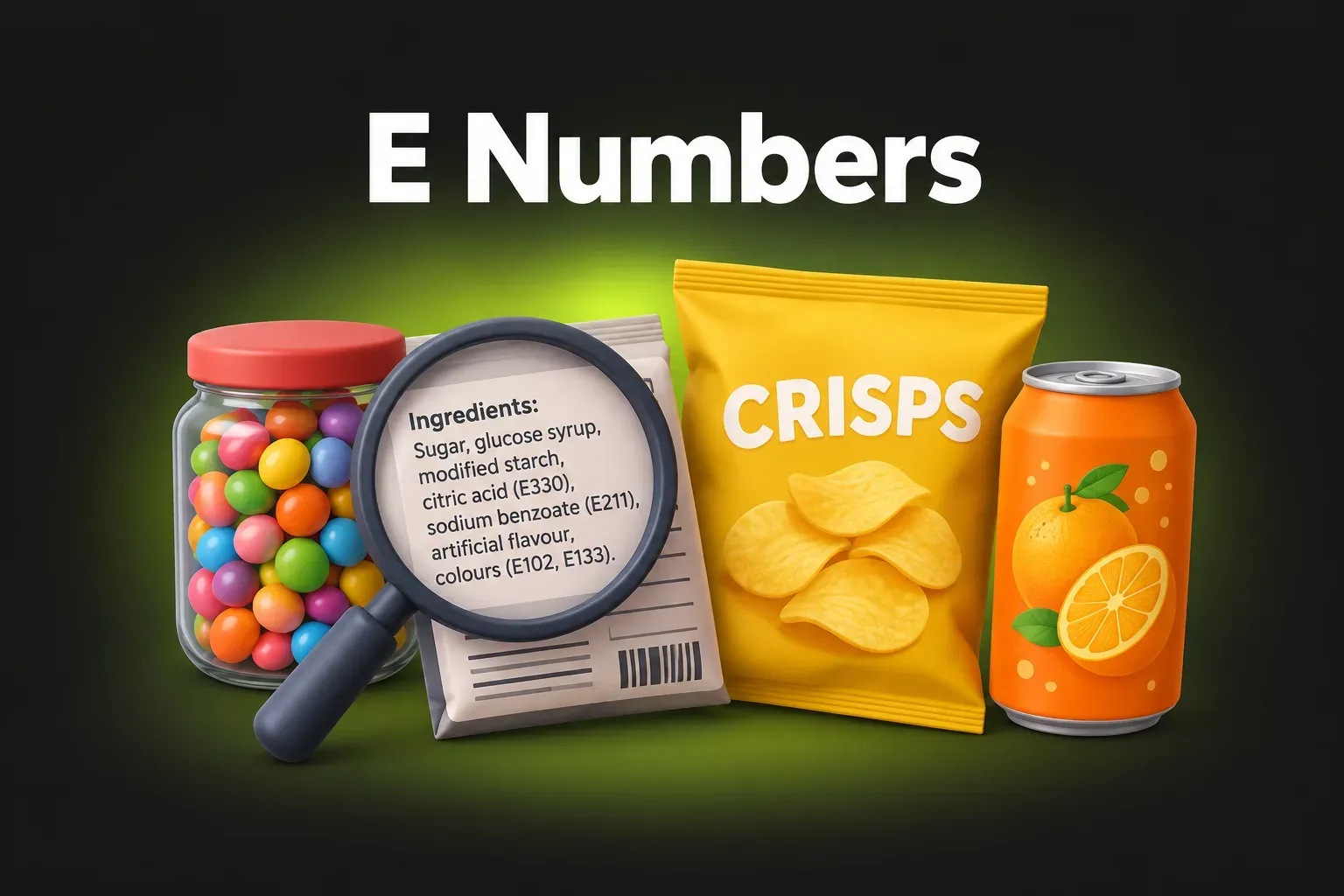
On labels, you’ll see them as mono- and diglycerides, mono- and diglycerides of fatty acids, glyceryl monostearate or E471. Related emulsifiers are E472a–E472f.
Where you’ll find mono- and diglycerides
- Packaged bread, buns, bagels and tortillas – keep them soft and slow down staling
- Cakes, muffins, cookies and pastries
- Ice cream and frozen desserts – make them smooth and creamy
- Whipped toppings and coffee creamers
- Margarine, spreads and shortening
- Peanut butter – stop the oil from separating
- Chocolate, candy and chewing gum
- Processed meats, ready meals and instant mashed potatoes
Are mono- and diglycerides bad for you? What the research says
Cancer
In the French NutriNet-Santé study, researchers followed 92,000 adults for almost seven years. They used detailed food diaries to work out how much of each emulsifier people ate. People who ate the most mono- and diglycerides (E471) had a 15% higher risk of cancer overall. Their risk of breast cancer was 24% higher, and of prostate cancer 46% higher (Sellem et al., PLOS Medicine, 2024).
Heart disease
In the same group of over 95,000 adults, people who ate more mono- and diglycerides and related emulsifiers (E471 and E472) had a higher risk of heart disease and stroke (Sellem et al., BMJ, 2023).
These studies show links, not proof. People who eat more emulsifiers also eat more ultra-processed food in general. But the results held up after the researchers took diet quality and many other things into account. And they match what’s seen in animals.
Gut bacteria and metabolism in mice
In a 2024 study, mice given mono- and diglycerides handled blood fat and blood sugar worse and had disturbed gut bacteria. Bacteria moved into the protective mucus layer of the gut, and there was more inflammation (Panyod et al., Communications Biology, 2024).
Animal studies matter, because many effects can’t be tested on people for years without putting their health at risk. And mice share most of their genes and body processes with us.
Hidden trans fat
Mono- and diglycerides can contain trans fat, especially when made from partly hydrogenated oils. In the US, the trans fat line on the label doesn’t count the trans fat in mono- and diglycerides. So a product can say “0 g trans fat” and still contain some. Trans fat raises LDL cholesterol and the risk of heart disease. The amounts are usually small, but they add up across many processed foods.
What regulators say
The FDA considers mono- and diglycerides “generally recognized as safe”. In 2017, the European Food Safety Authority found no need for a daily limit. These assessments were made before the large NutriNet-Santé studies were published.
Mono- and diglycerides vs other emulsifiers
| Emulsifier | Main findings |
|---|---|
| Mono and diglycerides (E471) | Linked to cancer and heart disease in a large study; gut inflammation in mice |
| Carrageenan (E407) | Linked to breast cancer and diabetes; gut inflammation in animals |
| CMC (E466) | Linked to heart disease; gut damage in mice and changes in people |
| Polysorbate 80 (E433) | Gut inflammation and weight gain in mice |
| Soy lecithin (E322) | Milder; gut and allergy effects in lab studies |
How to eat less mono- and diglycerides
- Buy fresh bread from a bakery – it usually doesn’t need emulsifiers. Packaged bread that stays soft for a week usually has them.
- Choose natural peanut butter made only from peanuts (and salt) – just stir in the oil.
- Read ice cream labels – simpler ones use cream, milk, sugar and eggs.
- Use butter or olive oil instead of margarine and spreads.
- Cut back on cakes, cookies and pastries from the supermarket.
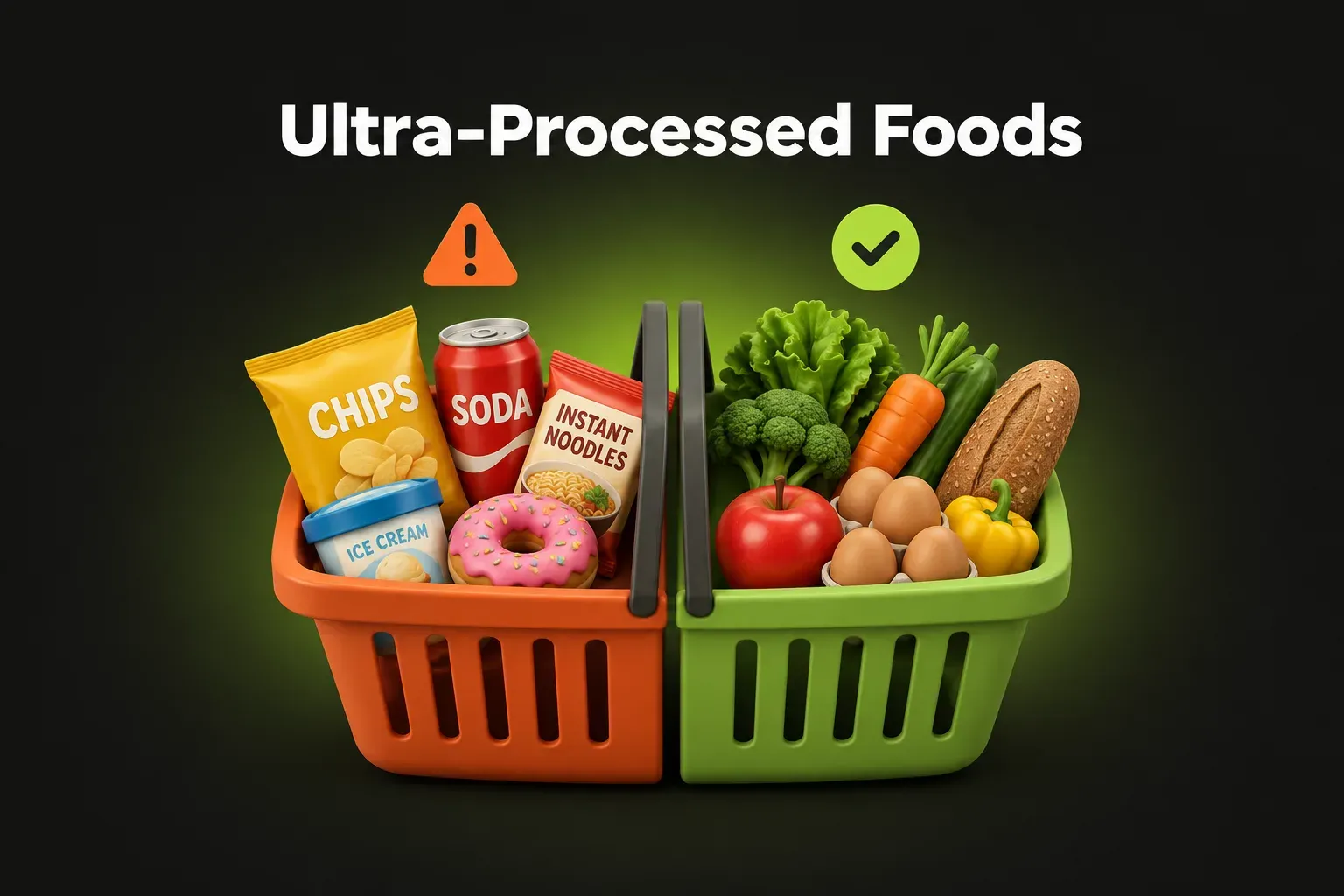
- Eat fewer ultra-processed foods – they often contain several emulsifiers together. Read more about ultra-processed foods.
Spot E471 on any label in seconds. With NutriSmart, you photograph the ingredient list or scan the barcode, and the app tells you right away if the product has E471. Turn on an alert for it, and the app warns you every time a product you scan contains it. You’ll also see every other additive, the risks of each one and a health score out of 100.Get the app free
You can also read about other emulsifiers: carrageenan, carboxymethylcellulose and polysorbate 80.
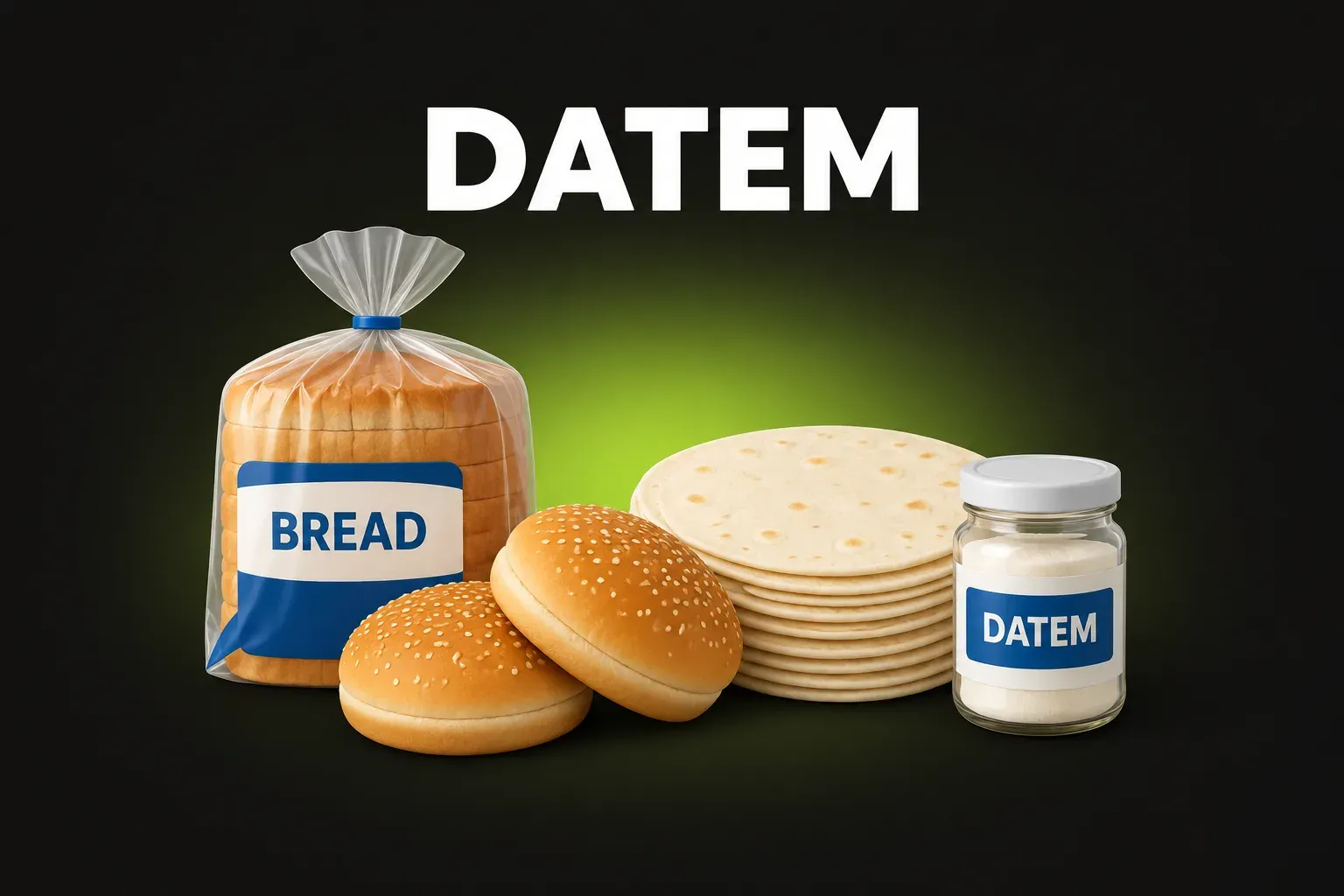
A related dough conditioner made from mono- and diglycerides is DATEM.
The bottom line
Mono- and diglycerides keep bread soft and ice cream smooth, and regulators consider them safe. But a large study of over 100,000 adults linked them to a higher risk of cancer and heart disease. Mice given them had more gut inflammation. And they can hide trans fat that doesn’t appear on the label. Fresh bread, natural peanut butter and simpler foods are easy ways to eat less of them.
FAQ
What are mono- and diglycerides?
Mono- and diglycerides are emulsifiers made from fats and oils. They help oil and water mix, keep bread soft for longer and make ice cream smooth. They're made from vegetable oils like soybean, palm or canola, or sometimes from animal fat.
Are mono- and diglycerides bad for you?
Regulators consider them safe. But a large French study of over 100,000 adults found that people who ate more of them (E471) had a higher risk of cancer, especially breast and prostate cancer. They also had a higher risk of heart disease. In mice, they disturbed gut bacteria and increased inflammation. They can also contain small amounts of trans fat that aren't shown on the label. It's worth limiting them.
Do mono- and diglycerides contain trans fat?
They can. Some are made from partly hydrogenated oils, or get trans fat during processing. In the US, the trans fat line on the label doesn't count the trans fat in mono- and diglycerides. So a product can show "0 g trans fat" and still contain some.
Are mono- and diglycerides vegan?
Not always. Most are made from vegetable oils, but some are made from animal fats such as beef or pork fat. The label usually doesn't say which. If you're vegan, vegetarian or avoid pork for religious reasons, look for products labeled vegan, halal or kosher, or contact the company.
What foods contain mono- and diglycerides?
Packaged bread, buns and tortillas, cakes and cookies, ice cream, whipped toppings, margarine and spreads, peanut butter, chewing gum, chocolate, coffee creamers, processed meats and many ready meals.
What is E471?
E471 is the European code for mono- and diglycerides of fatty acids. Related emulsifiers are E472a–E472f, which are mono- and diglycerides combined with acids like vinegar, lactic or citric acid. On labels you'll see "mono- and diglycerides", "emulsifier: E471" or "mono- and diglycerides of fatty acids".