Polysorbate 80 (E433): Is It Safe or Bad for You?
What polysorbate 80 (E433) is, why it's in ice cream and sauces, what studies show about gut inflammation and weight, and how to avoid it on labels.
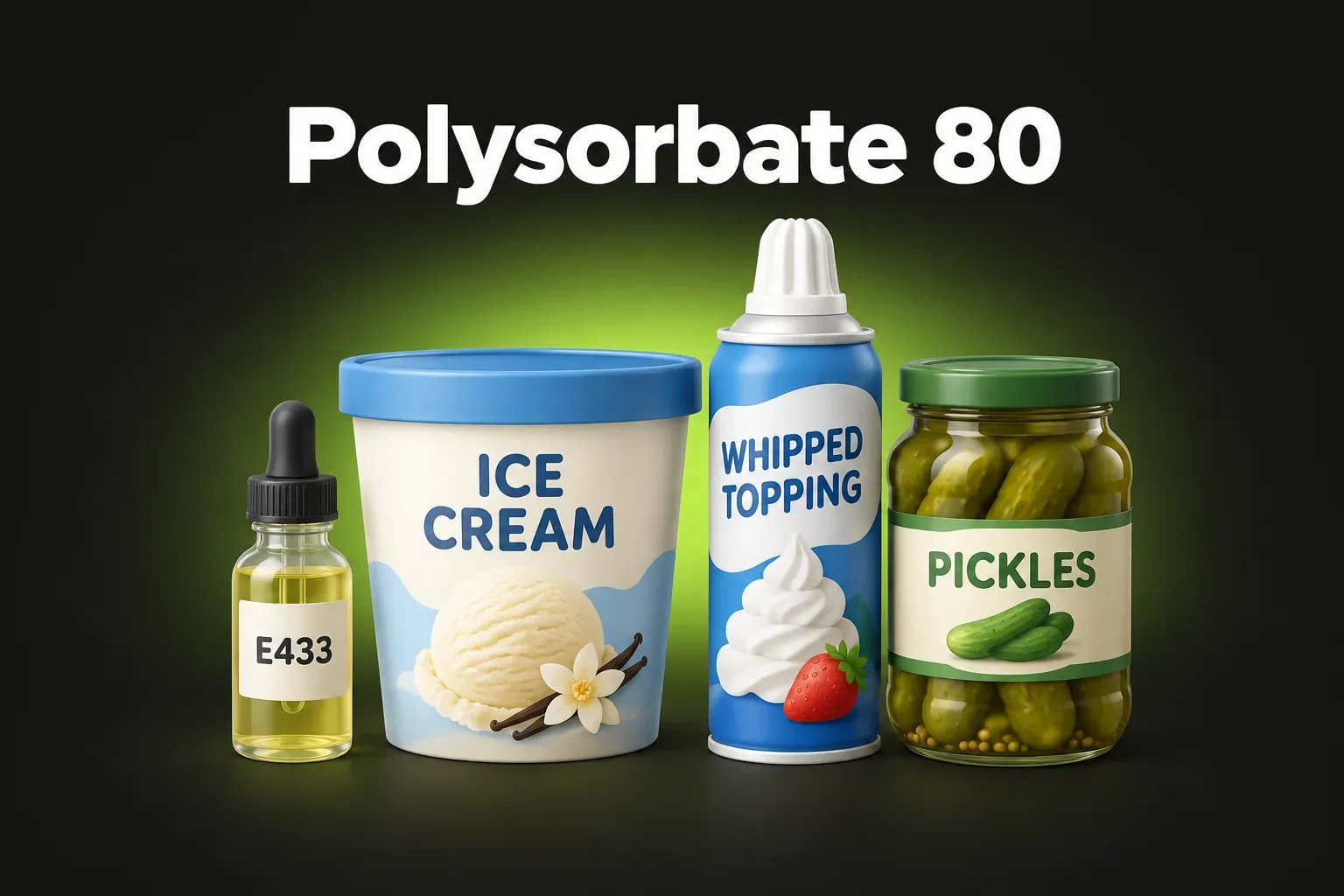
Polysorbate 80 is an emulsifier – an additive that helps oil and water stay mixed. You’ll find it in ice cream, whipped toppings, sauces and some pickles. It’s also in vitamins, medicines and cosmetics. It sounds harmless. But it’s one of the additives scientists have studied most for its effects on the gut.
The short answer: the FDA and the European Food Safety Authority (EFSA) say polysorbate 80 is safe. But in mice, it changed gut bacteria and damaged the slimy layer that protects the gut. It caused mild, constant gut swelling (inflammation), weight gain and blood sugar problems. It also made colon tumors grow faster in mice likely to get them. These effects haven’t been proven in people yet. But several labs have found similar warning signs, so it’s a good idea to limit it.
What is polysorbate 80?
Polysorbate 80 is made in a factory from sorbitol (a type of sweetener), oleic acid (a fat found in olive oil) and ethylene oxide (a chemical gas). The result is a thick, yellowish liquid. It works a bit like a gentle soap: it lets fat and water mix and stay mixed.
In food, it’s used to:
- make ice cream smooth and slow to melt
- keep whipped toppings and creamers from separating
- spread flavors and colors evenly in sauces, dressings and pickles
- help baked goods keep a soft texture
On labels, you’ll see it as:
| Name | Where you’ll see it |
|---|---|
| Polysorbate 80, Tween 80 | Ingredient lists worldwide |
| E433, “emulsifier: E433” | European Union, UK and many other countries |
| Polysorbates (E432–E436) | The family it belongs to |
Is polysorbate 80 bad for you? What the research says
Gut bacteria and inflammation
The most important study was published in Nature in 2015. Mice drank water with fairly small amounts of polysorbate 80 or another emulsifier, carboxymethylcellulose. They got mild, constant gut inflammation and gained weight. They also had higher blood sugar and other early signs of diabetes and heart problems. In mice likely to get gut disease, the emulsifiers caused severe colitis (a painful swelling of the colon). The emulsifiers thinned the slimy layer that protects the gut. So gut bacteria could get closer to the gut wall (Chassaing et al., Nature, 2015).
The same scientists then tested polysorbate 80 on human gut bacteria in a lab copy of the human gut. It changed the bacteria and made them more likely to cause inflammation (Chassaing et al., Gut, 2017).
Colon cancer in mice
Some mice had gut inflammation that can lead to cancer. When they ate polysorbate 80 or carboxymethylcellulose regularly, their colon tumors grew faster (Viennois et al., Cancer Research, 2017).
Behavior and the next generation
- Mice that ate these emulsifiers also acted more anxious and changed how they behaved with other mice. They also had gut inflammation and more body fat (Holder et al., Scientific Reports, 2019).
- In a 2025 study, mother mice ate emulsifiers. They passed changed gut bacteria to their babies. As young adults, the babies were more likely to get colitis, gain weight and have high blood sugar (Delaroque et al., Nature Communications, 2025).
Why animal studies matter
These studies were done in mice because mice share most of their genes with humans, and their bodies work in many of the same ways. Testing a suspect substance on people would put their health at risk. The studies don’t prove the same effects in humans. But the same warning signs have shown up in study after study – in animals and in human gut bacteria in the lab.
What regulators say
In its 2015 review, EFSA found no worry about cancer or DNA damage from polysorbates. It set a safe daily limit of 25 mg per kg of body weight for the whole group. It also found that toddlers who eat a lot of foods with polysorbates can come close to that limit (EFSA, 2015). That review didn’t focus on the newer gut studies.
Allergic reactions
Allergic reactions to polysorbate 80 are rare. They’ve mostly been seen with medicine shots and some vaccines, not with food. If you’ve reacted to a medicine that contains it, tell your doctor.
Which foods contain polysorbate 80?
- Frozen desserts: ice cream, frozen yogurt, sorbets
- Toppings and creamers: whipped toppings, coffee creamers
- Sauces: salad dressings, sauces and gravies
- Pickles and canned foods: some pickles and canned vegetables
- Desserts and bakery: gelatin desserts, cake mixes, some baked goods
- Other: vitamins and supplements, medicines, vaccines, shampoos and lotions
How to avoid polysorbate 80
- Read the ingredient list for “polysorbate 80”, “E433” or “polysorbate”.
- Choose ice cream with a short list – cream, milk, sugar, eggs and flavor.
- Make simple dressings at home with olive oil, vinegar or lemon and a little mustard.
- Use real cream instead of whipped toppings and creamers.
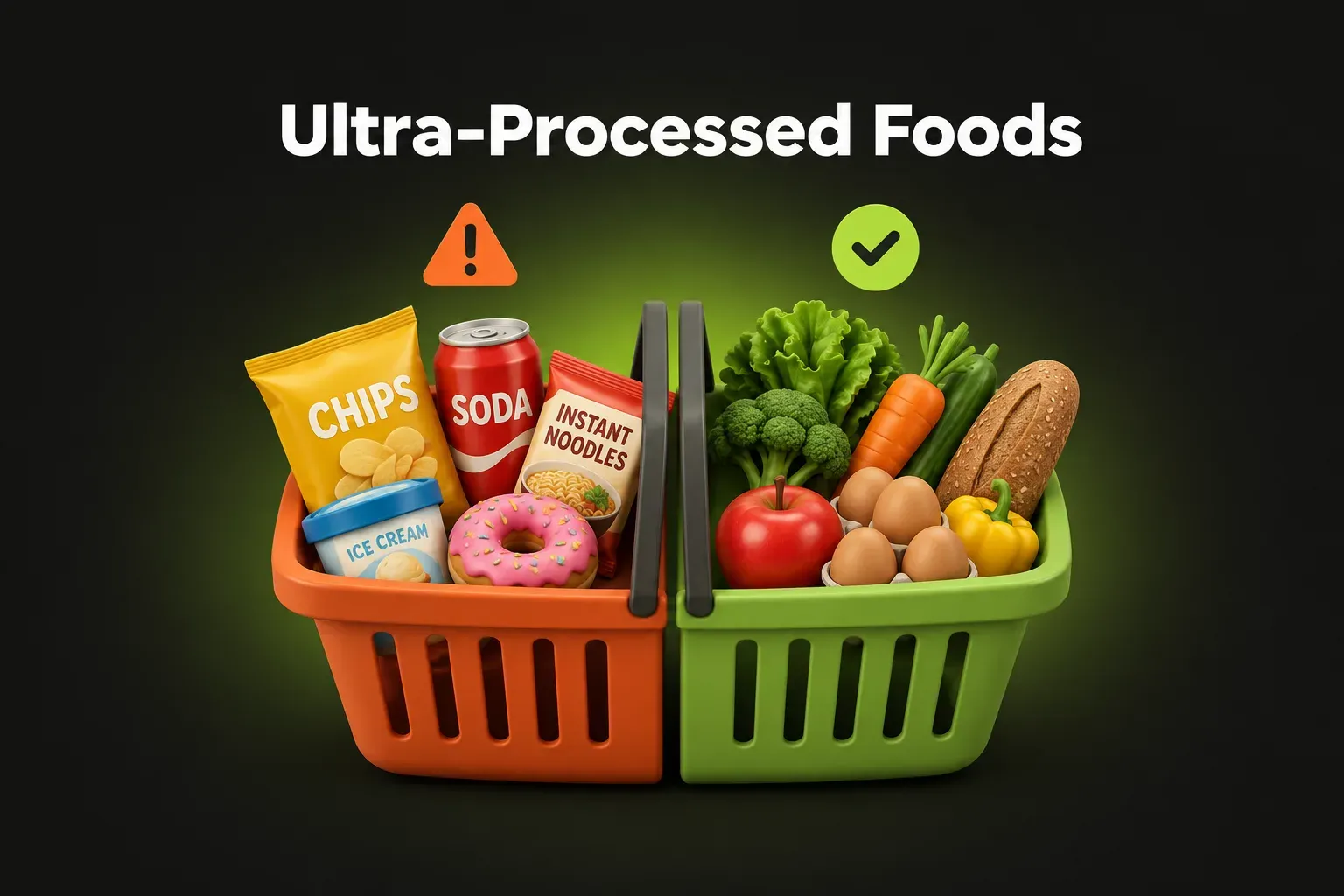
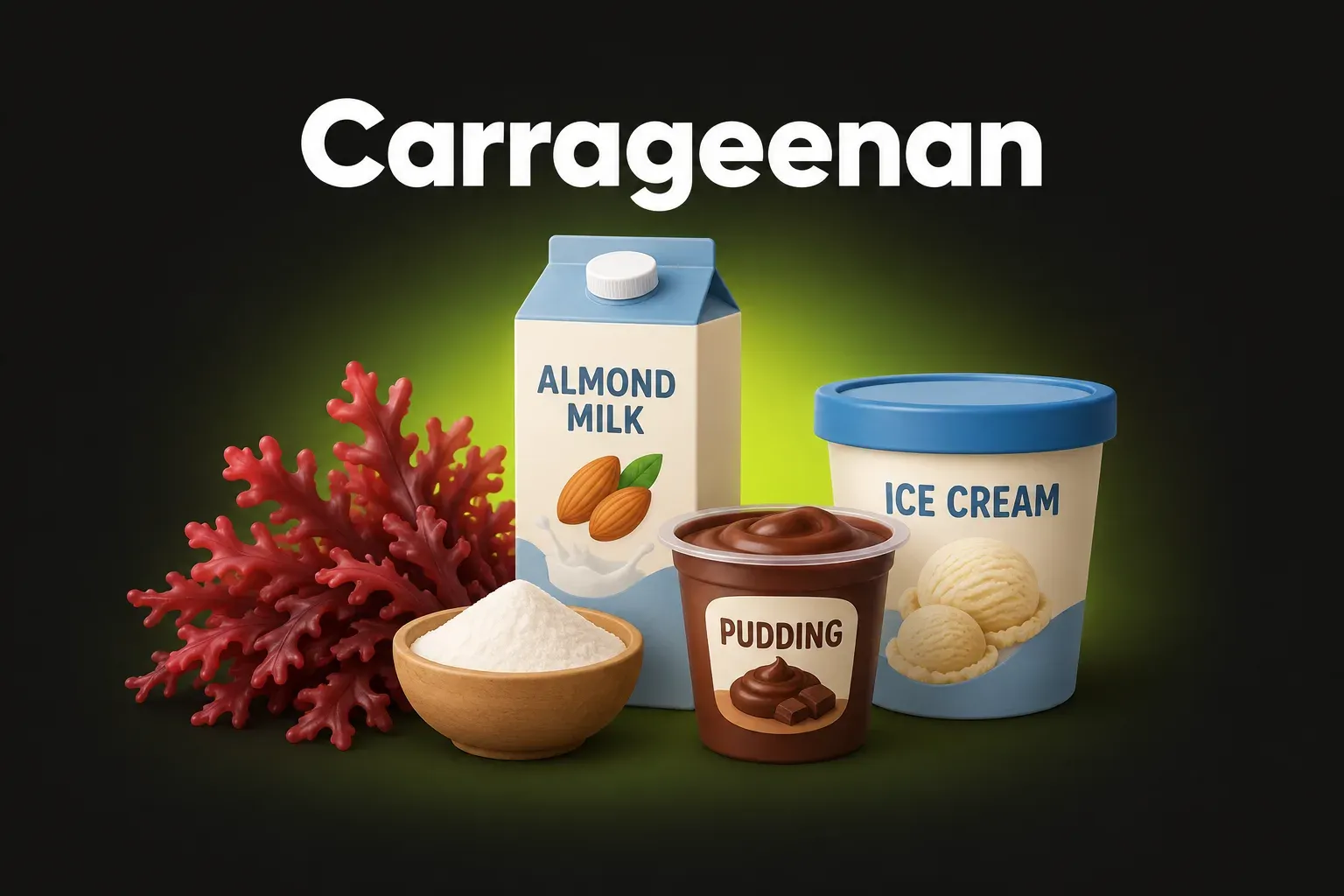
- Eat fewer ultra-processed foods – that’s where most emulsifiers come from. Other additives studied for gut effects include carrageenan and maltodextrin.
Spot E433 in seconds. With NutriSmart, you photograph the label or scan the barcode. The app highlights emulsifiers and other additives, explains each one and gives the product a health score out of 100. So you can pick the ice cream or dressing without them right in the store.Get the app free
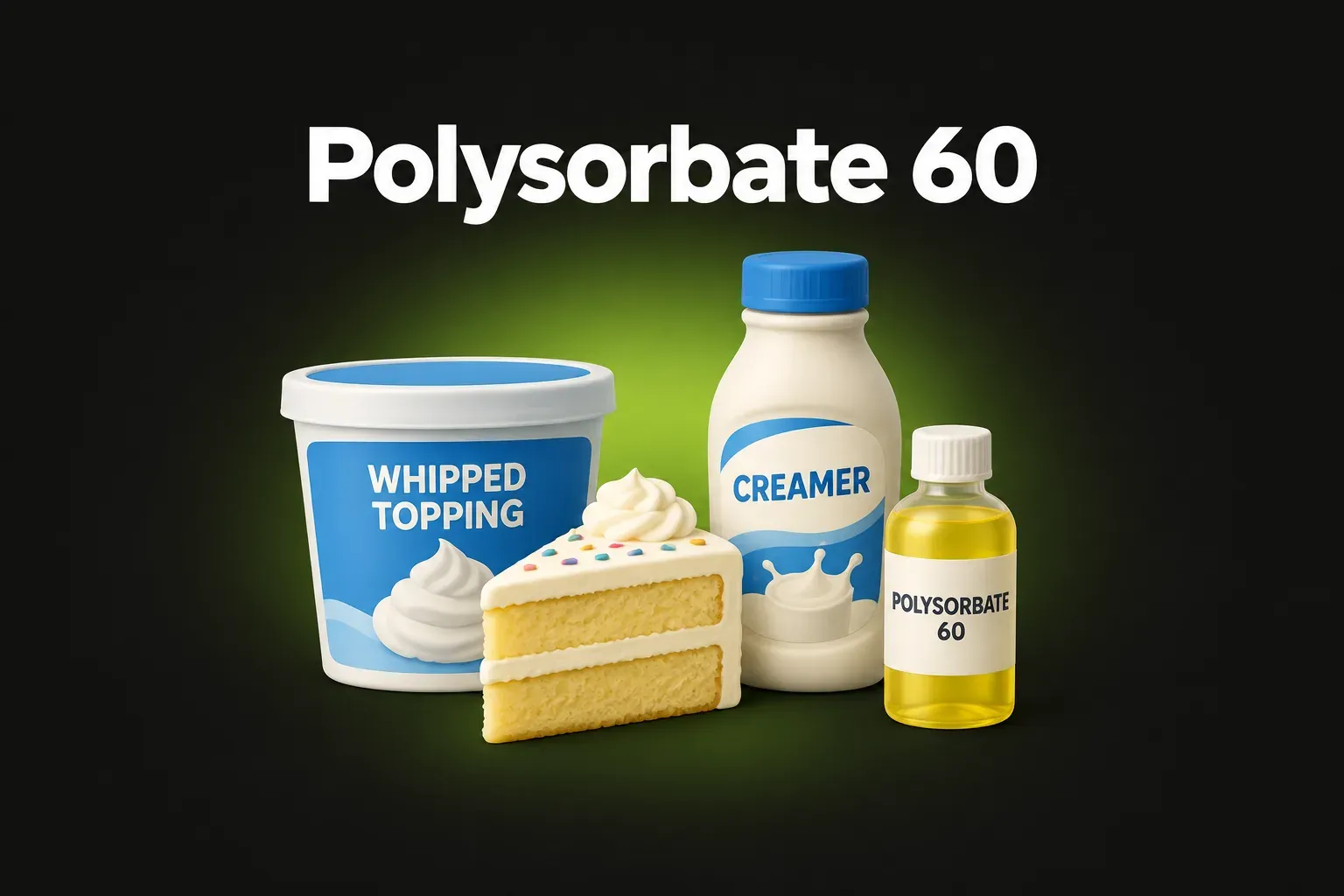
Its close relative polysorbate 60 is used in whipped toppings, frosting and creamers.
The bottom line
Polysorbate 80 is legal and approved, and a scoop of ice cream won’t harm you. But it’s one of the most studied emulsifiers, and the results keep pointing the same way. In mice, it changed gut bacteria and caused gut inflammation, weight gain and faster tumor growth. If you have a sensitive gut – or just have a choice between two products – pick the one without E433. It’s an easy, cheap way to play it safe.
FAQ
Is polysorbate 80 bad for you?
The FDA and the European Food Safety Authority say it's safe below the daily limit. But in mice, it changed gut bacteria and thinned the slimy layer that protects the gut. It caused mild, constant swelling in the gut, weight gain and blood sugar problems. In mice likely to get colon tumors, the tumors grew faster. There's no proof yet in people, but these warning signs are a good reason to limit it.
What is polysorbate 80 made from?
It's made in a factory from sorbitol (a type of sweetener), oleic acid (a fat found in olive oil) and ethylene oxide (a chemical gas). The result is a thick, yellowish liquid that helps oil and water mix.
What foods contain polysorbate 80?
Mostly ice cream, whipped toppings, sauces and salad dressings, some pickles, gelatin desserts, creamers and some baked goods. It's also used in vitamins, medicines, vaccines and cosmetics. On labels, look for polysorbate 80 or E433.
Is polysorbate 80 the same as other emulsifiers?
It does the same job as other emulsifiers, such as lecithins, mono- and diglycerides (E471) and carboxymethylcellulose (E466). Polysorbate 80 and carboxymethylcellulose are the two studied the most for their effects on the gut.
Can you be allergic to polysorbate 80?
Rarely. Allergic reactions have mostly been seen with medicine shots and some vaccines that contain it, not with food. If you've had a reaction to a medicine or vaccine that contains it, tell your doctor.
How much polysorbate 80 is safe?
The European Food Safety Authority set a safe daily limit of 25 mg per kg of body weight for all polysorbates together. Most people eat far less. But EFSA found that toddlers who eat a lot of foods with polysorbates can come close to the limit.