What Is Maltodextrin? Is It Bad for You?
What maltodextrin is, why it's in so many foods, how it affects blood sugar and gut health, whether it's gluten-free or keto, and how to spot it on labels.
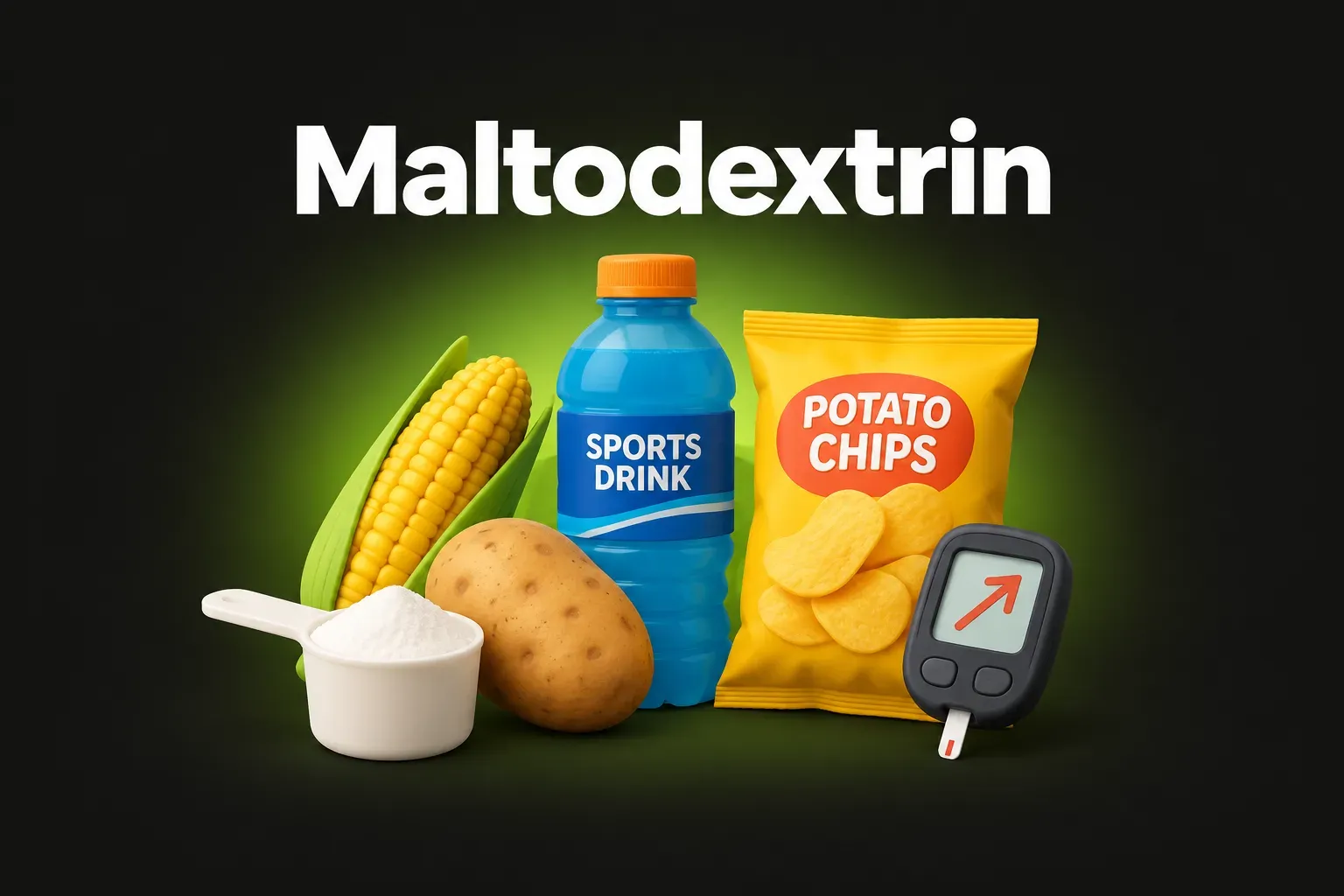
Maltodextrin is one of the most common ingredients you’ve probably never thought about. It’s in chips, sauces, protein powders, sports drinks, sweetener packets and even “sugar-free” products – usually near the end of the ingredient list.
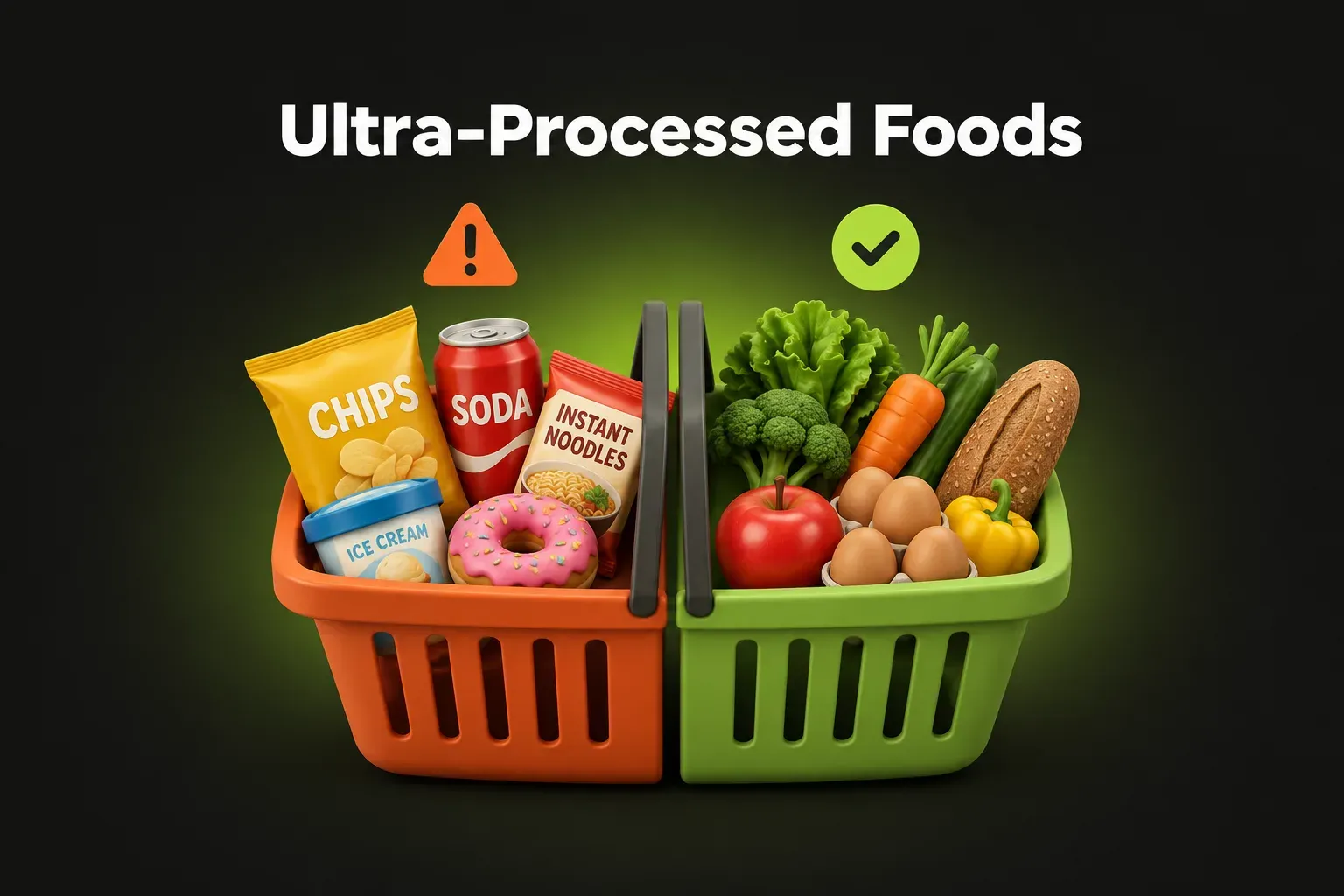
The short answer: maltodextrin is a white powder made from starch. It’s approved as safe and is harmless in small amounts for most people. But it turns into glucose very quickly, so it raises blood sugar fast and adds calories with no nutrients. And animal studies suggest it may weaken the mucus layer that protects the gut. It’s also a reliable sign that you’re looking at an ultra-processed product.
What is maltodextrin?
Maltodextrin is a carbohydrate made by breaking down starch, usually from corn, rice, potato or wheat. The result is short chains of glucose that are dried into a fine white powder. It has almost no taste (or is slightly sweet), dissolves easily and has about 4 calories per gram, the same as sugar.
In the US, the FDA lists maltodextrin as safe (“generally recognized as safe”) (21 CFR 184.1444). In the EU, it counts as a food ingredient, not an additive, so it has no E number.
Why is maltodextrin in so many foods?
Because it’s cheap and does many jobs at once:
- Thickener and filler: gives body to sauces, soups, dressings and puddings
- Carrier: holds flavors and seasonings on chips and snacks
- Filler: turns a tiny amount of strong sweetener into a spoonful you can measure. That’s why some “zero-calorie” sweetener packets contain it
- Texture: replaces fat in low-fat products and makes protein shakes feel smoother
- Fast energy: sports drinks, gels and powders use it because it’s absorbed quickly without being as sweet as sugar
- Shelf life: helps powders stay dry and pour easily
Common sources: chips and flavored snacks, instant soups and sauces, salad dressings, protein and meal-replacement powders, sports drinks and gels, sweetener packets, cereal bars, frozen meals, infant formula and some medicines and supplements.
Is maltodextrin bad for you? What the research says
Blood sugar
This is the clearest effect. Maltodextrin is broken down into glucose almost immediately, so it causes a fast rise in blood sugar. Most estimates say it raises blood sugar as fast as table sugar, or even faster. A scientific review noted that maltodextrin makes blood sugar rise more after eating than normal starch does. The authors said this is bad for health (Hofman et al., Critical Reviews in Food Science and Nutrition, 2016).
For most people, a little maltodextrin in a seasoning is not a concern. It matters more for people with diabetes or insulin that doesn’t work well, and for products where it’s a main ingredient, such as drinks and powders.
Gut health
Researchers have started to look at maltodextrin’s effect on the gut. So far, the evidence comes from lab and animal studies:
- In a lab study, maltodextrin helped a type of E. coli bacteria linked to Crohn’s disease stick to gut cells and form a slimy layer (Nickerson & McDonald, PLoS One, 2012).
- In mice, maltodextrin in drinking water stressed the cells that make the gut’s protective mucus. The mucus got thinner, and colitis (gut inflammation) got worse (Laudisi et al., Cellular and Molecular Gastroenterology and Hepatology, 2019).
- Another study used mice that easily get colitis. Maltodextrin reduced the cells that make mucus and let gut bacteria get closer to the gut wall (Zangara et al., Frontiers in Immunology, 2022).
These studies don’t prove the same happens in people, and the doses were often high. But studies like this are done in animals because testing it on people would put their health at risk. For people with inflammatory bowel disease, they’re a reason some doctors suggest limiting additives like maltodextrin.
Empty calories
Maltodextrin adds calories but no fiber, protein, vitamins or minerals. Because it’s not listed as “sugar”, a product can look less sugary on the label than it really is for your body.
When maltodextrin is useful
For endurance athletes, the fast energy is the point. Maltodextrin is a practical way to get carbs during long training sessions and races, and it’s less sweet than pure sugar. It’s also used in medical nutrition for people who need extra calories.
Is maltodextrin gluten-free?
Usually, yes:
- US: most maltodextrin is made from corn, rice or potato. If it’s made from wheat, the label must say so (for example, “maltodextrin (wheat)”).
- EU and UK: maltodextrin from wheat is processed so much that it doesn’t need an allergy warning (Regulation (EU) No 1169/2011, Annex II).
If you have celiac disease, products labeled “gluten-free” are the safest choice.
Is maltodextrin keto- or low-carb-friendly?
No. It’s a fast carbohydrate, so it counts fully toward your carbs and can raise blood sugar more than sugar. Check the ingredient list of “sugar-free”, “no added sugar” and keto-labeled products – maltodextrin is sometimes used as a filler in them.
Maltodextrin vs resistant maltodextrin
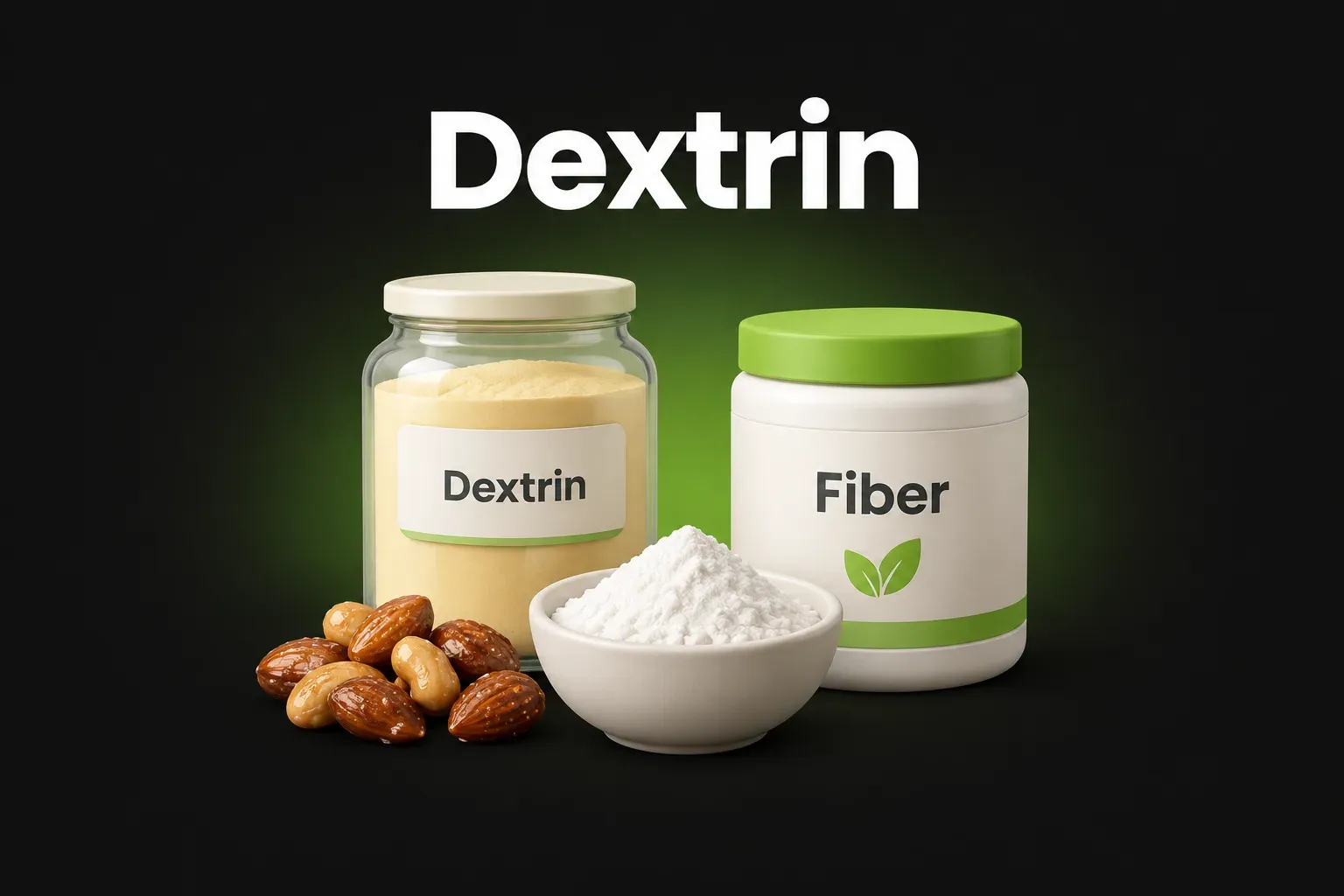
These sound alike but act very differently. Resistant maltodextrin is also listed as “soluble corn fiber” or “resistant dextrin”.
| Maltodextrin | Resistant maltodextrin | |
|---|---|---|
| What it is | Carbohydrate that’s digested fast | Fiber |
| Effect on blood sugar | Raises it quickly | Little effect |
| Calories | About 4 per gram | Fewer – most isn’t digested |
| On the label | Carbohydrate | Dietary fiber |
How to spot and limit maltodextrin
- Read the ingredient list. Look for “maltodextrin”, “corn maltodextrin” or “rice maltodextrin”. It’s usually near the end in snacks, but near the top in powders and drinks.
- Check “sugar-free” products. Maltodextrin isn’t counted as sugar, so check total carbohydrates, not just sugars.
- Choose less-processed foods. Plain nuts instead of seasoned snacks, homemade dressings, whole fruit instead of energy gels when you’re not exercising.
- Use it on purpose. If you do endurance sport, maltodextrin-based drinks are fine during exercise – just not as an everyday drink.
Spot maltodextrin on any label in seconds. With NutriSmart, you photograph the ingredient list or scan the barcode, and the app tells you right away if the product has maltodextrin. Turn on an alert for it, and the app warns you every time a product you scan contains it. You’ll also see every other additive, the risks of each one and a health score out of 100.Get the app free
The bottom line
Maltodextrin isn’t toxic, and a little in your food is fine for most people. But it raises blood sugar quickly and adds calories without nutrients. Early research also suggests it may not be kind to your gut. If it’s high on an ingredient list, treat the product like a sweet, ultra-processed food. And if you have diabetes or a gut condition, it’s one of the easier ingredients to cut back on.
FAQ
Is maltodextrin bad for you?
In small amounts, maltodextrin is considered safe – the FDA lists it as safe. The main concerns: it raises blood sugar quickly and adds calories without nutrients. Animal studies have also linked it to changes in the layer of mucus that protects the gut. It's mostly a sign of an ultra-processed product.
Is maltodextrin a sugar?
Not technically. It's a carbohydrate made of short chains of glucose, so it isn't counted as "sugar" on most nutrition labels. But your body digests it into glucose very quickly, so it raises blood sugar much like sugar does – often even faster than table sugar.
Is maltodextrin gluten-free?
Usually, yes. In the US it's mostly made from corn, rice or potato, and if it's made from wheat the label must say so. In the EU, maltodextrin from wheat is processed so much that it doesn't need an allergy warning. It's considered safe for most people with celiac disease.
Is maltodextrin keto-friendly?
No. Maltodextrin is a carbohydrate that's digested very fast and has about 4 calories per gram, so it can knock you out of ketosis. Watch for it in "sugar-free" products and sweetener packets, where it's often used as a filler.
Can people with diabetes eat maltodextrin?
It's best kept to a minimum. Maltodextrin is digested very quickly and can cause a sharp rise in blood sugar. Small amounts in a seasoning blend matter little, but drinks, powders and snacks where it's a main ingredient can affect glucose noticeably.
What is resistant maltodextrin?
Resistant maltodextrin (also called soluble corn fiber or resistant dextrin) is a different ingredient. It's made so that your body can't digest it, so it acts like fiber, not like a fast carbohydrate. It counts as dietary fiber on US labels and has little effect on blood sugar.