Psyllium Husk: Benefits, How to Take It & Side Effects
What psyllium husk is, what studies show for constipation, IBS, cholesterol and blood sugar, how to take it safely, and how it compares with other fiber pills.
Psyllium husk has become one of the most popular fiber supplements. You’ll find it in pharmacies, health food stores and gluten-free or keto bread recipes. People say it helps with constipation, cholesterol, blood sugar and even weight loss. Some of that is true, and some isn’t.
The short answer: psyllium is a soluble fiber that turns into a gel when it meets water. It has good evidence for constipation, IBS, lowering LDL cholesterol and blood sugar control in type 2 diabetes. For weight loss, the evidence is weak. Always take it with plenty of water: without it, it can swell and block your throat or gut. Start with 1 teaspoon a day and go up slowly.
What is psyllium husk?
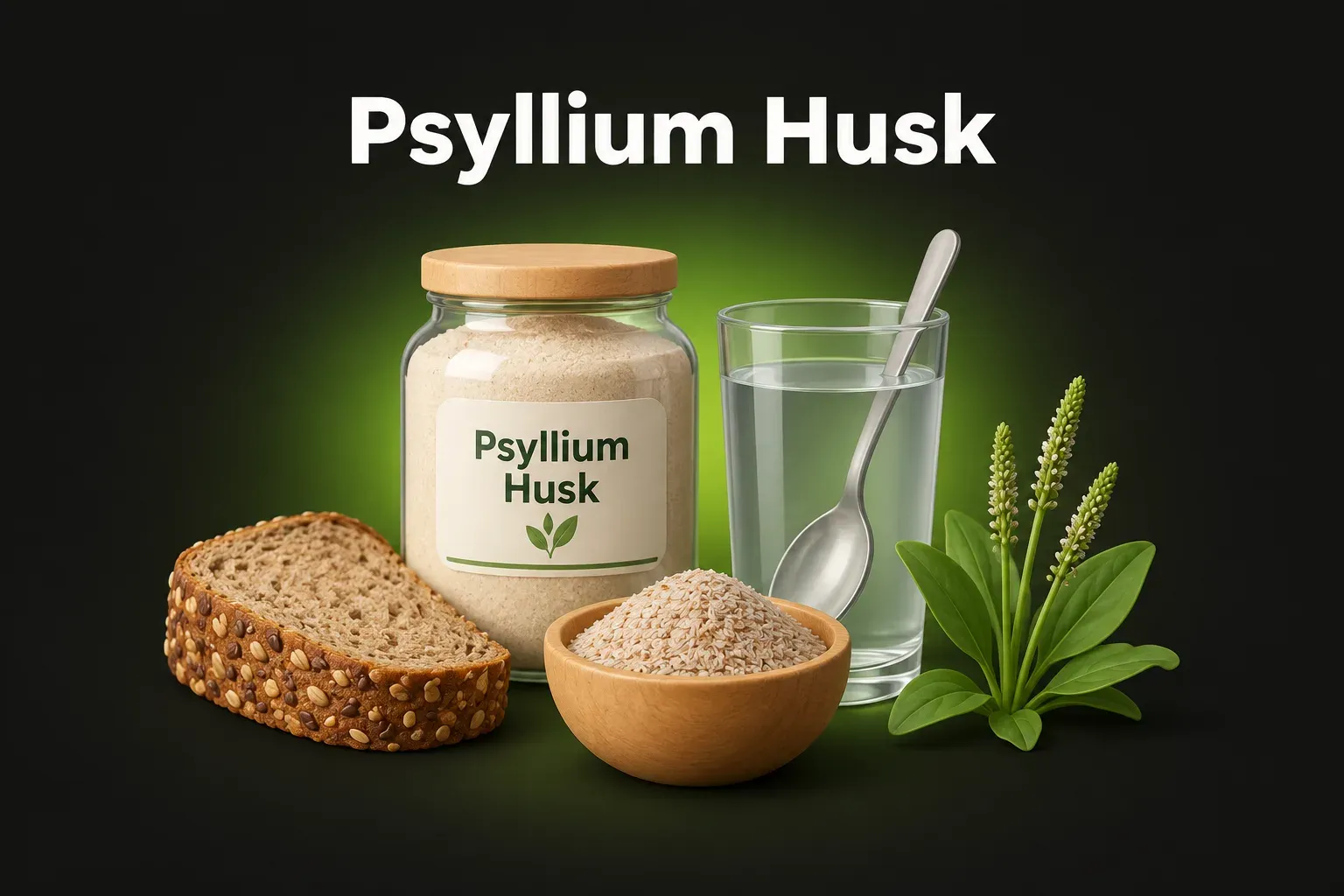
Psyllium comes from a plant called Plantago ovata, grown mainly in India. The husk is the outer shell of the seeds. It’s very high in fiber: about 80–85 g per 100 g.
Most of it is soluble fiber. When you mix it with water, it swells and forms a sticky gel. This gel:
- makes stool softer and easier to pass, but also firmer when it’s too loose
- slows digestion, so sugar reaches your blood more slowly
- binds bile acids in the gut, so your liver uses cholesterol to make new ones
In stores, you’ll find it as:
| Form | What it looks like | Good for |
|---|---|---|
| Whole husks | Light, beige flakes | Yogurt, oatmeal, water |
| Powder | Fine powder | Water, smoothies, gluten-free bread |
| Capsules | 0.5–0.75 g each | If you dislike the texture – but you need many capsules |
One teaspoon of husk (about 5 g) has about 4 g of fiber and only 10–20 calories.
What the research says
Constipation
A review of 7 trials compared fiber supplements, including psyllium, with a placebo in people with chronic constipation. 77% of people taking fiber felt better, compared with 44% on placebo. They had more bowel movements per week, and softer stools. The downside: more gas (Christodoulides et al., Alimentary Pharmacology & Therapeutics, 2016).
IBS
A review of 14 trials with 906 people with irritable bowel syndrome found that fiber helps – but only soluble fiber, like psyllium. Wheat bran didn’t help (Moayyedi et al., American Journal of Gastroenterology, 2014). That’s why gut doctors recommend psyllium for IBS, but not bran.
Cholesterol
A review of 28 trials with nearly 2,000 people found that about 10 g of psyllium a day (2 teaspoons) lowered LDL (“bad”) cholesterol by about 13 mg/dL. Other markers of heart risk went down too (Jovanovski et al., American Journal of Clinical Nutrition, 2018). It’s not as strong as a medication, but it adds to the effect of a healthy diet. In the US, the FDA allows psyllium products to say that it may reduce the risk of heart disease, as part of a diet low in saturated fat.
Blood sugar and diabetes
A review of 35 studies found that in people with type 2 diabetes, psyllium taken before meals lowered fasting blood sugar by about 37 mg/dL and HbA1c by about 1 point. In people with normal blood sugar, it didn’t change it (Gibb et al., American Journal of Clinical Nutrition, 2015). If you have diabetes and take medication, talk to your doctor first: your blood sugar may drop more than you expect.
Weight loss
Here the evidence is weak. A review of studies in people with diabetes found lower cholesterol, triglycerides and blood sugar, but no drop in weight (Xiao et al., Phytotherapy Research, 2020). Psyllium can make you feel a bit fuller. But it’s not a weight-loss pill: weight loss still comes from a calorie deficit.
How to take psyllium husk
- Start with 1 teaspoon (about 5 g) a day. Stir it into a large glass of water (8 oz), juice or plant milk and drink it right away, before it thickens.
- Then drink another glass of water. And make sure you drink enough water all day.
- Go up slowly. After 1–2 weeks, you can reach 2 teaspoons a day (10 g) – the amount used in the cholesterol studies.
- For blood sugar, take it before meals. For constipation, many people take it in the evening.
- Keep it at least 2 hours apart from medications. Psyllium can reduce how well they’re absorbed.
You can also stir the husk into yogurt, oatmeal or a smoothie – always with plenty of liquid.
Side effects and risks
- Bloating and gas, especially in the first few days. That’s why it’s best to start small.
- Blockage in the throat or gut. If you take psyllium without enough water, it can swell before it gets where it needs to go. Doctors have reported cases of a blocked esophagus and a blocked intestine (Shin et al., World Journal of Clinical Cases, 2022). Since 2007, the FDA no longer allows psyllium laxatives in granule form, because of the choking risk (FDA, 2007).
- Allergy, rarely. It’s most common in people who handle the powder often, for example in pharmacies or nursing homes.
- Don’t take it if you have trouble swallowing, a narrowing of the esophagus or intestines, or have ever had a bowel blockage. For children, only on a doctor’s advice.
Psyllium vs other fiber supplements
| Supplement | Type of fiber | Forms a gel | Best for |
|---|---|---|---|
| Psyllium husk | Mostly soluble | Yes, a lot | Constipation, IBS, cholesterol, blood sugar |
| Methylcellulose | Soluble, made in a lab | No | Constipation, with less gas |
| Wheat dextrin | Soluble | No | Adding fiber to drinks, little proof for cholesterol |
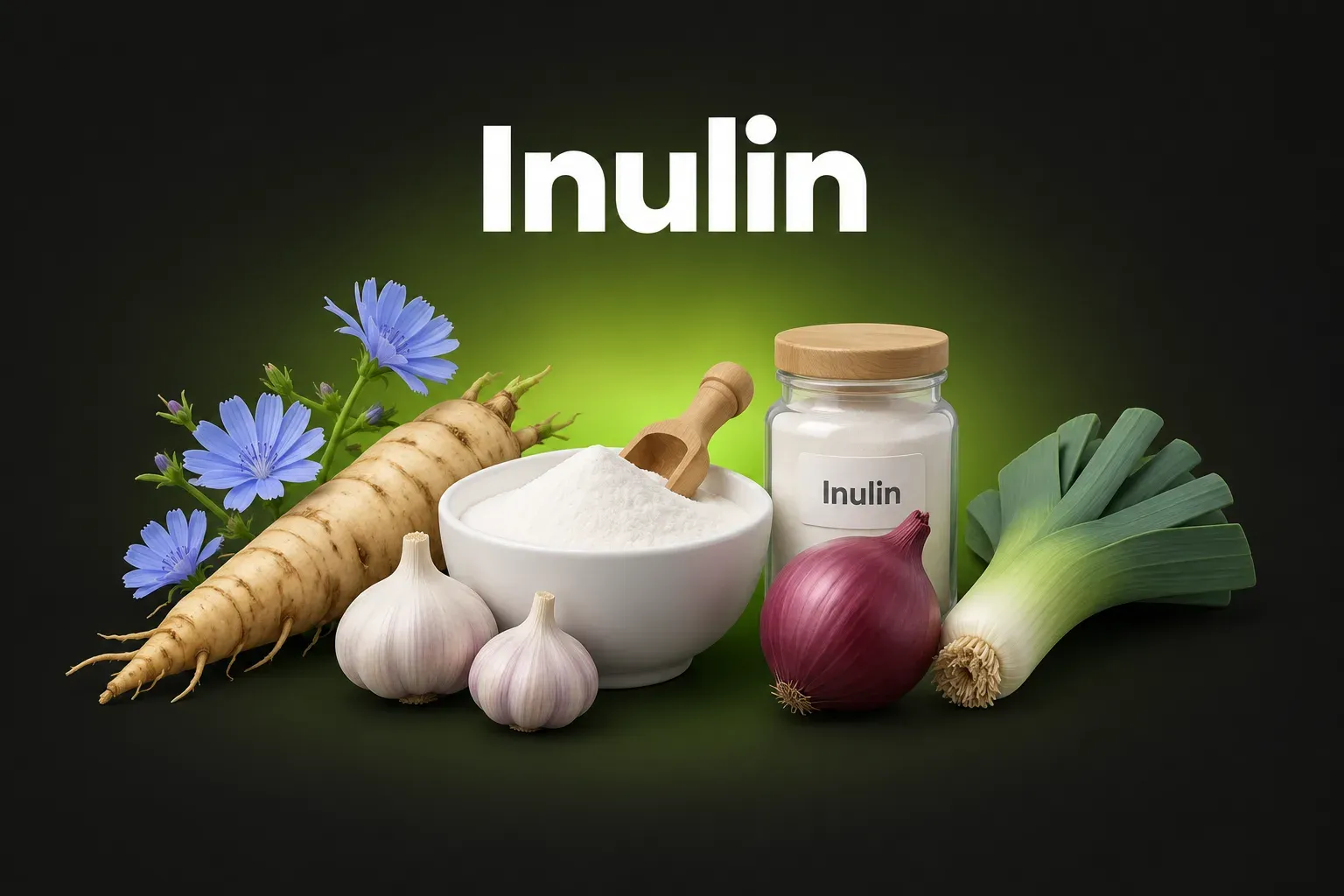
| Inulin | Soluble, fermentable | No | Feeding gut bacteria, but can cause gas |
| Wheat bran | Mostly insoluble | No | Constipation, but can make IBS worse |
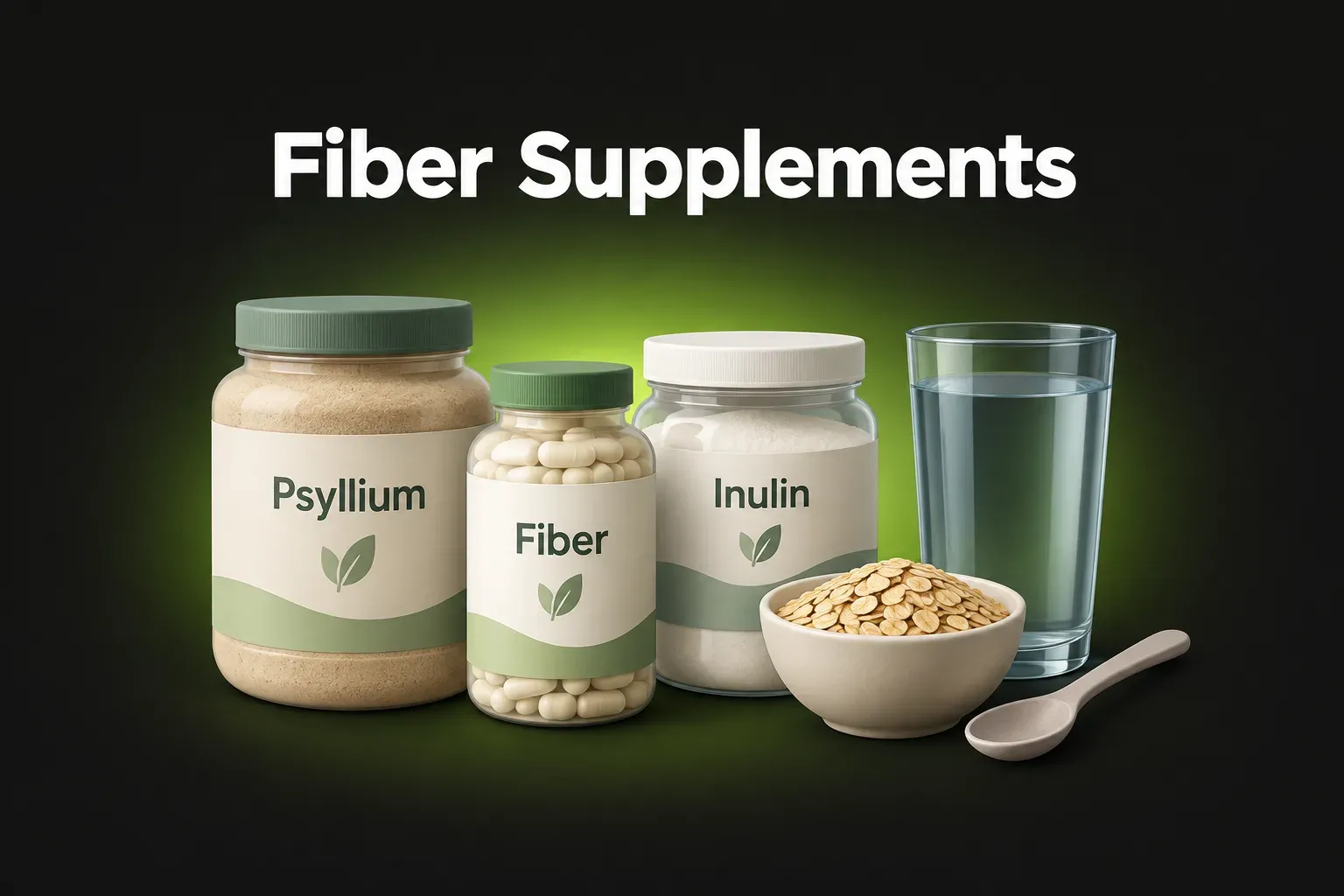
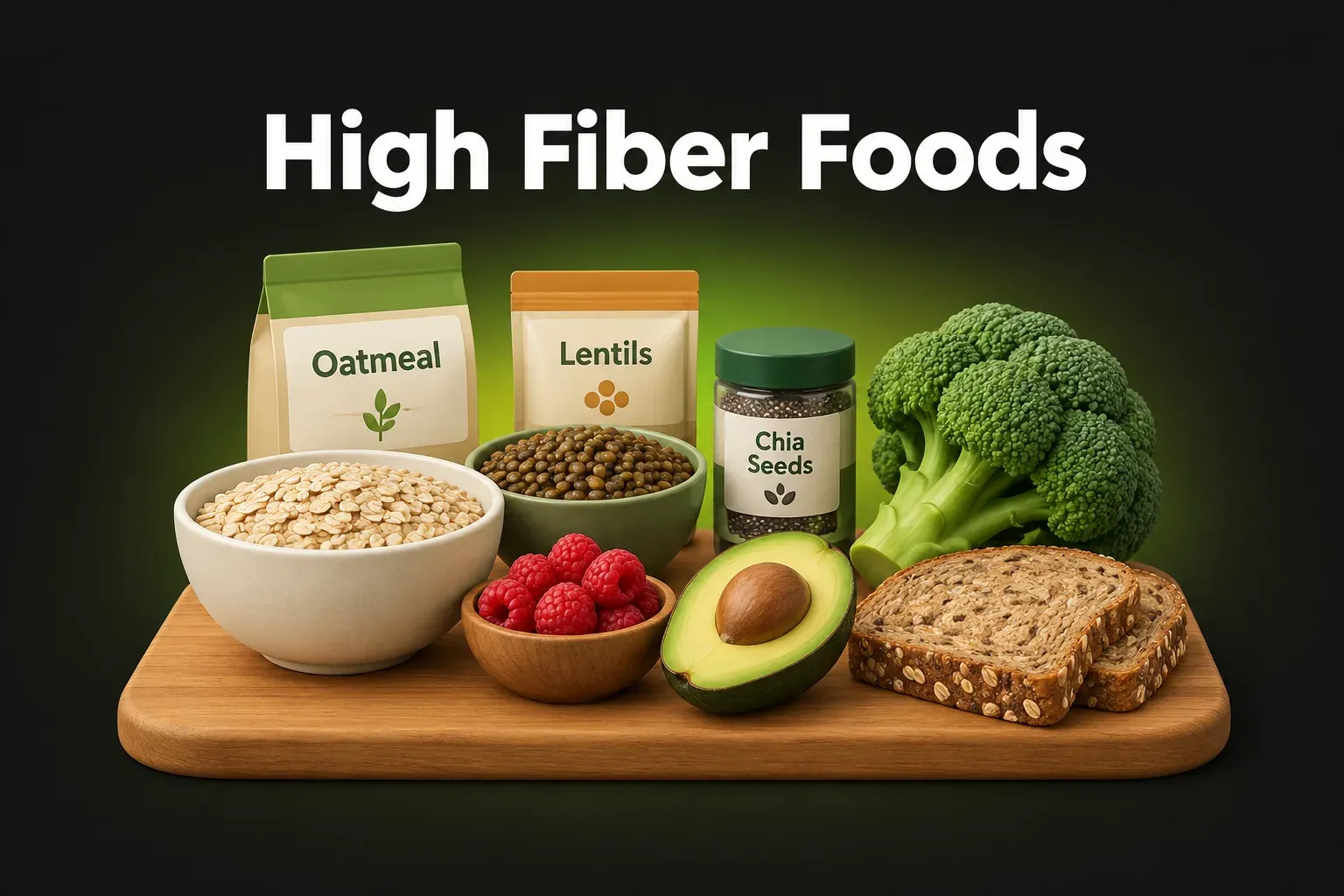
Of all these, psyllium has the most evidence, especially for cholesterol and blood sugar. For a full comparison, see our guide to fiber supplements. But no supplement replaces fiber from food: vegetables, fruit, beans and whole grains also bring vitamins, minerals and antioxidants. See our list of high-fiber foods.
Psyllium in the kitchen
Because it forms a gel, psyllium is a great binder:
- in gluten-free bread, where it holds the dough together like gluten
- in keto bread and wraps made with almond flour – see our keto diet guide
- instead of egg in some vegan recipes: 1 teaspoon of psyllium with 3 tablespoons of water
Track your fiber without guessing. With NutriSmart, you snap a photo of what you eat and the app counts calories, protein, carbs, fat and fiber, and shows how much you have left for the day.Get the app free
The bottom line
Psyllium husk is one of the few fibers with strong evidence: it helps with constipation and IBS, lowers LDL cholesterol and, in people with type 2 diabetes, blood sugar. But it’s not a weight-loss pill. Start with 1 teaspoon a day, always take it with a large glass of water and away from medications, and go up slowly. And alongside psyllium, keep eating plenty of vegetables, fruit and beans.
Metamucil is a trademark of its respective owner. NutriSmart is not affiliated with it.
FAQ
What is psyllium husk good for?
The best evidence is for constipation, IBS, cholesterol and blood sugar. In a review of 28 trials, about 10 g a day lowered LDL ("bad") cholesterol by about 13 mg/dL. In people with type 2 diabetes, psyllium taken before meals lowered fasting blood sugar and HbA1c. For weight loss, the evidence is weak.
How do you take psyllium husk?
Start with 1 teaspoon (about 5 g) stirred into a large glass of water (8 oz) and drink it right away, before it thickens. Then drink another glass of water. After 1–2 weeks you can go up to 2 teaspoons a day. Take it at least 2 hours apart from medications.
Does psyllium husk help with weight loss?
Not much. Psyllium can make you feel a bit fuller, but a review of studies in people with diabetes found no drop in weight. It helps more indirectly, by improving digestion and slowing the rise in blood sugar. Weight loss still comes from a calorie deficit.
When is the best time to take psyllium husk?
It doesn't matter much. For blood sugar, it works best before meals. For constipation, many people take it in the evening. What matters is taking it with plenty of water and at least 2 hours apart from medications, because it can reduce how well they're absorbed.
What are the side effects of psyllium husk?
The most common are bloating and gas, especially at first. If you take it without enough water, it can swell in your throat or gut and cause a blockage – doctors have reported such cases. Rarely, it can cause an allergy. Don't take it if you have trouble swallowing or a narrowing of the esophagus or intestines.
Is psyllium husk the same as Metamucil?
Metamucil is a brand of fiber supplement whose main ingredient is psyllium husk. Some versions also contain sugar or sweeteners, flavors and colors. Plain psyllium husk powder gives you the same fiber without the extras.