Is Citric Acid Bad for You? Uses, Side Effects & Safety
What citric acid (E330) is, why it's in so many foods, how it's made, its side effects on teeth and sensitive people, and whether manufactured citric acid is safe.
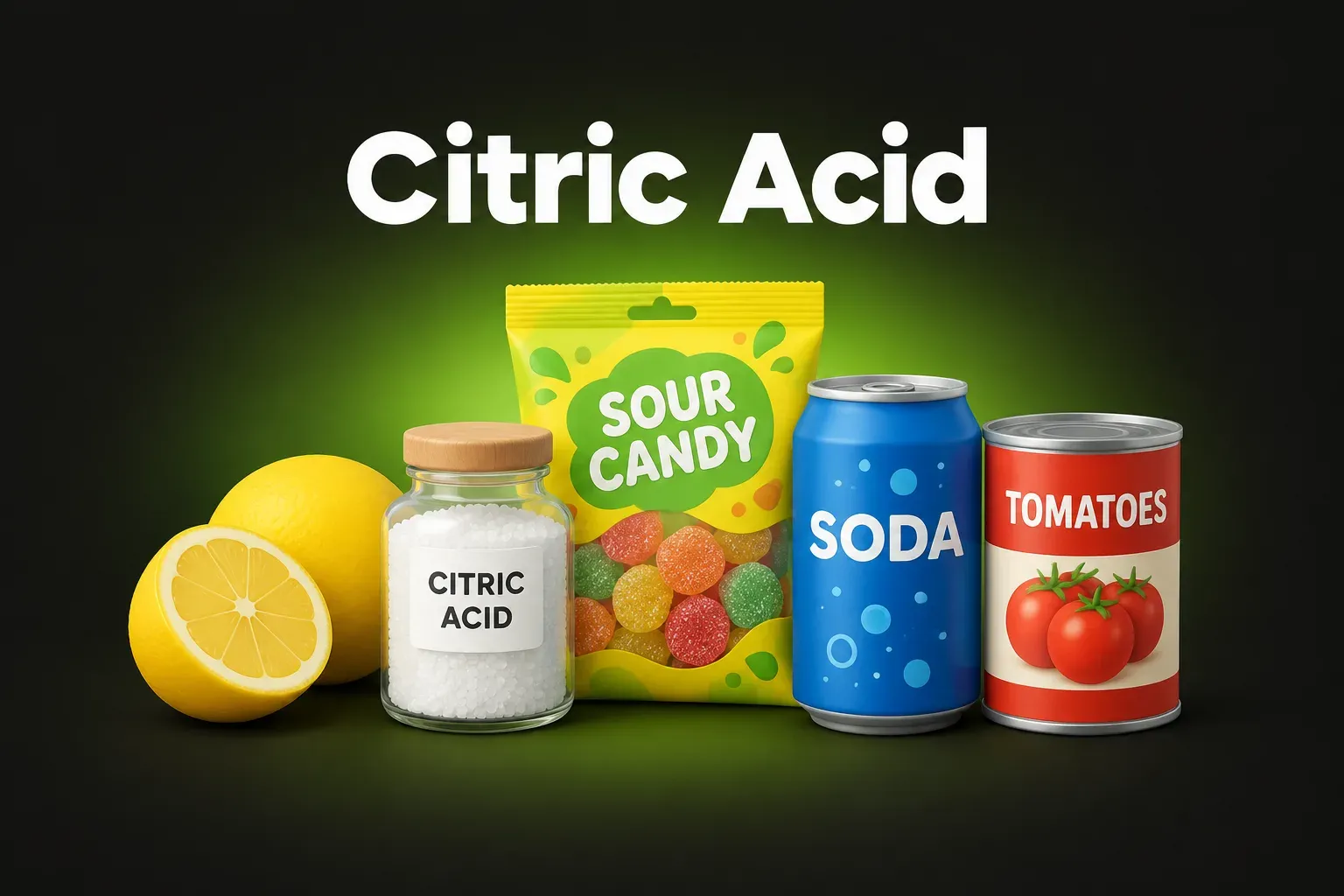
Citric acid is one of the most common food additives in the world. It’s in soft drinks, sour candy, jams, canned tomatoes, sauces and even vitamins. It sounds natural – it’s the acid in lemons – but the citric acid in packaged food is made in a very different way.
The short answer: citric acid is one of the safer additives. It’s naturally in fruit, your body uses citrate every day, and regulators allow it in food without a limit. Its clearest downside is damage to tooth enamel from sour drinks and candy. A few doctors have reported inflammation in some people after foods with factory-made citric acid, which is made with a mold. But so far this is based on only four patients, not large studies.
What is citric acid?
Citric acid is a natural acid found in lemons, limes, oranges, berries, pineapple and tomatoes. Your body also makes it: your cells use citrate to make energy.
In food, it’s used to:
- add a sour, fresh taste to drinks and candy
- keep food longer by making it more sour, which slows bacteria and mold
- stop fruit and vegetables from turning brown
- help keep fats from going bad
- control sourness in jams, sauces and canned foods
On labels, you’ll see it as:
| Name | Where you’ll see it |
|---|---|
| Citric acid | Ingredient lists worldwide |
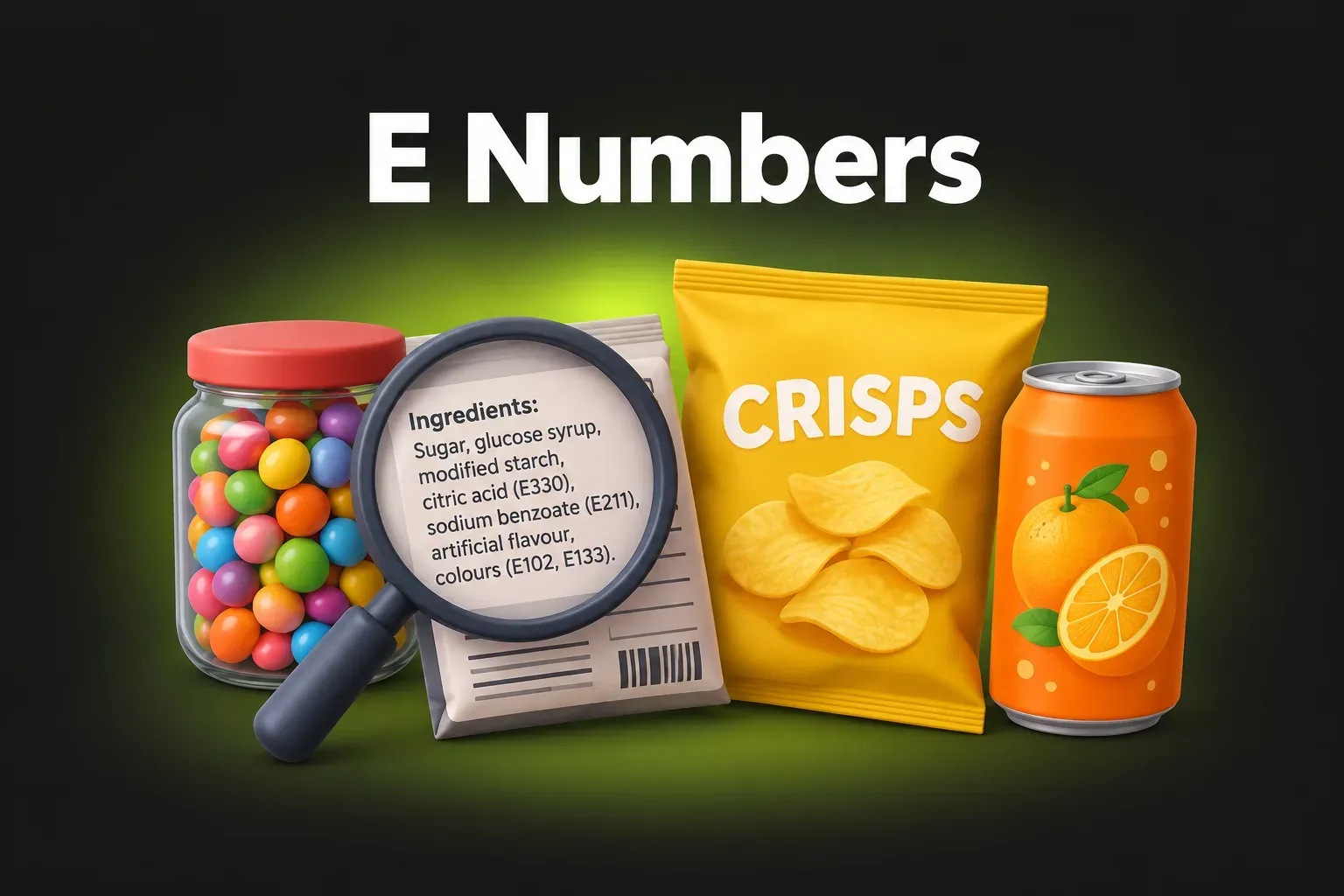
| E330, “acidity regulator: E330”, “antioxidant: E330” | European Union, UK and many other countries |
| Sodium citrate (E331), potassium citrate (E332), calcium citrate (E333) | Related salts of citric acid |
How is citric acid made?
Here’s the part most people don’t know: the citric acid in packaged food is not made from lemons. About 99% of the world’s citric acid is made by feeding sugar to a mold called Aspergillus niger. This has been done since 1919. The mold makes citric acid, which is then cleaned and turned into crystals. Millions of tons are made every year, mostly in China (Sweis et al., Toxicology Reports, 2018).
It’s the same substance as the citric acid in a lemon. But some researchers ask whether tiny traces left over from making it could cause problems for sensitive people.
Is citric acid bad for you? What the research says
What regulators say
Citric acid is “generally recognized as safe” by the FDA. In the EU, it’s allowed in most foods in whatever amount is needed, without a daily limit. That’s because it’s naturally in food and in the body, and the body breaks it down quickly.
Teeth
This is the best-known problem. Citric acid dissolves tooth enamel. If you often sip soft drinks, juices or sports drinks, or suck on sour candy, it can wear your teeth down. They become sensitive and easier to damage. Reviews of soft drinks and teeth keep naming acid, especially citric acid, as a main cause (Tahmassebi et al., Journal of Dentistry, 2006).
Inflammatory reactions
In 2018, doctors described four patients who kept getting inflammation: breathing problems, joint and muscle pain, gut symptoms and tiredness. It happened after foods, drinks or vitamins with factory-made citric acid. The authors think tiny traces of the mold might cause inflammation in people whose genes make them sensitive. They also point out that factory-made citric acid has never been tested in long-term safety studies (Sweis et al., Toxicology Reports, 2018).
Four patients are a warning sign, not proof. But if you have unexplained symptoms after processed foods, it’s worth knowing.
Reflux and mouth ulcers
Acidic foods and drinks can make heartburn, reflux and mouth ulcers worse in people who are prone to them. Citric acid isn’t the only cause, but it makes soft drinks, juices and sour candy more acidic.
A benefit: kidney stones
Citrate actually helps prevent some kidney stones, which is why doctors sometimes prescribe potassium citrate and recommend lemon water to people prone to them.
Which foods contain citric acid?
- Drinks: soft drinks, juices, iced teas, sports and energy drinks
- Sweets: sour candy, gummies, jams and jellies, desserts
- Canned and jarred foods: tomatoes, fruit, vegetables, pickles
- Sauces and snacks: dressings, sauces, chips and flavored snacks
- Frozen and ready meals
- Other: vitamins and supplements, effervescent tablets, cosmetics, cleaning products
How to protect yourself
- Protect your teeth: drink acidic drinks with meals rather than sipping them all day, use a straw, rinse your mouth with water afterwards and wait about 30 minutes before brushing.
- Limit sour candy and soft drinks – they’re the biggest sources of both acid and sugar.
- If you suspect a reaction, keep a food diary and try avoiding foods with added citric acid for a few weeks, then talk to your doctor.
- Choose simpler foods: fresh fruit and vegetables instead of canned and processed ones.
Spot citric acid on any label in seconds. With NutriSmart, you photograph the ingredient list or scan the barcode, and the app tells you right away if the product has citric acid. Turn on an alert for it, and the app warns you every time a product you scan contains it. You’ll also see every other additive, the risks of each one and a health score out of 100.Get the app free
You can also read about other common preservatives: sodium benzoate and potassium sorbate.
Its sodium salt, sodium citrate (E331), is used to control acidity and melt cheese smoothly.
The bottom line
Citric acid is one of the gentler additives. It’s naturally in fruit, the body uses it every day, and for most people the amounts in food aren’t a concern. Its main downside is tooth damage from sour drinks and candy. A few patient reports suggest that factory-made citric acid may cause inflammation in sensitive people. So if processed foods seem to disagree with you, it’s one ingredient worth watching.
FAQ
Is citric acid bad for you?
For most people, no. Citric acid is found naturally in lemons and other fruits, and the amounts added to food are considered safe. Its best-known downside is damage to tooth enamel from sour drinks and candy. A small number of people react to factory-made citric acid with inflammation, but this is based on only a few patient reports.
Is citric acid natural?
Citric acid occurs naturally in citrus fruits, berries and tomatoes. But the citric acid added to food is almost always made in factories by fermenting sugar with a mold called Aspergillus niger. It's the same substance, but it doesn't come from lemons.
What foods contain citric acid?
Soft drinks, juices, sour candy, jams, canned fruit and vegetables, canned tomatoes, sauces, dressings, frozen foods and many snacks. It's also used in vitamins, medicines, cosmetics and cleaning products.
Can citric acid damage your teeth?
Yes. Citric acid softens tooth enamel, especially when you sip acidic drinks often or eat sour candy. Drink acidic drinks with meals, use a straw, rinse with water afterwards and wait about 30 minutes before brushing.
Can you be allergic to citric acid?
A true allergy to citric acid itself is very rare, because your body makes and uses citrate every day. Some people react to foods with added citric acid. One idea is that tiny traces of the mold used to make it could be the cause, but this hasn't been proven.
What is E330?
E330 is the European code for citric acid. On labels you'll see it as "citric acid", "acidity regulator: E330" or "antioxidant: E330".