Propylene Glycol in Food (E1520): Is It Antifreeze?
What propylene glycol (E1520) is, why it's in flavorings, cake mixes and dressings, whether it's the same as antifreeze, and what EFSA says about its safety.
“Propylene glycol – the same thing as in antifreeze.” This claim goes viral every few years, usually about cake mixes, salad dressings or flavored drinks. It sounds alarming, and it’s only half true. Here’s what propylene glycol really is, why it’s in food, and whether you need to worry.
The short answer: propylene glycol (E1520) is a clear, slightly sweet liquid used mostly to carry flavors and colors and to keep foods moist. It’s not the toxic antifreeze chemical – that’s ethylene glycol. The European Food Safety Authority kept its safe daily limit of 25 mg per kg of body weight in 2018, and people don’t come close to it from food. Harm has been seen only with very large doses, mostly from intravenous medicines. It can cause skin rashes in creams and cosmetics. In food, it’s one of the lower-risk additives.
What is propylene glycol?
Propylene glycol is a colorless, odorless liquid with a slightly sweet taste, made from petroleum. It mixes with both water and oil, holds on to moisture and doesn’t freeze easily. That makes it useful in many products:
- Food: as a carrier for flavors and colors, and to keep foods moist
- Medicines: in syrups, injections and creams
- Cosmetics: in lotions, shampoos and deodorants
- E-cigarettes: as the main liquid in many vape juices
- Industry: in “pet-safe” antifreeze, de-icing fluids and theater fog
On labels, you’ll see propylene glycol, propane-1,2-diol or E1520. Because it’s often part of a flavoring, it may not be listed separately.
Is propylene glycol the same as antifreeze?
No. Most car antifreeze is ethylene glycol, a different chemical that’s highly toxic – a few spoonfuls can be deadly. Propylene glycol is much less toxic, which is exactly why it’s used in some “pet-safe” antifreezes instead. The food-grade version is highly purified. Being used in an industrial product doesn’t make an ingredient dangerous – water and salt are used in industry too.
Where you’ll find propylene glycol
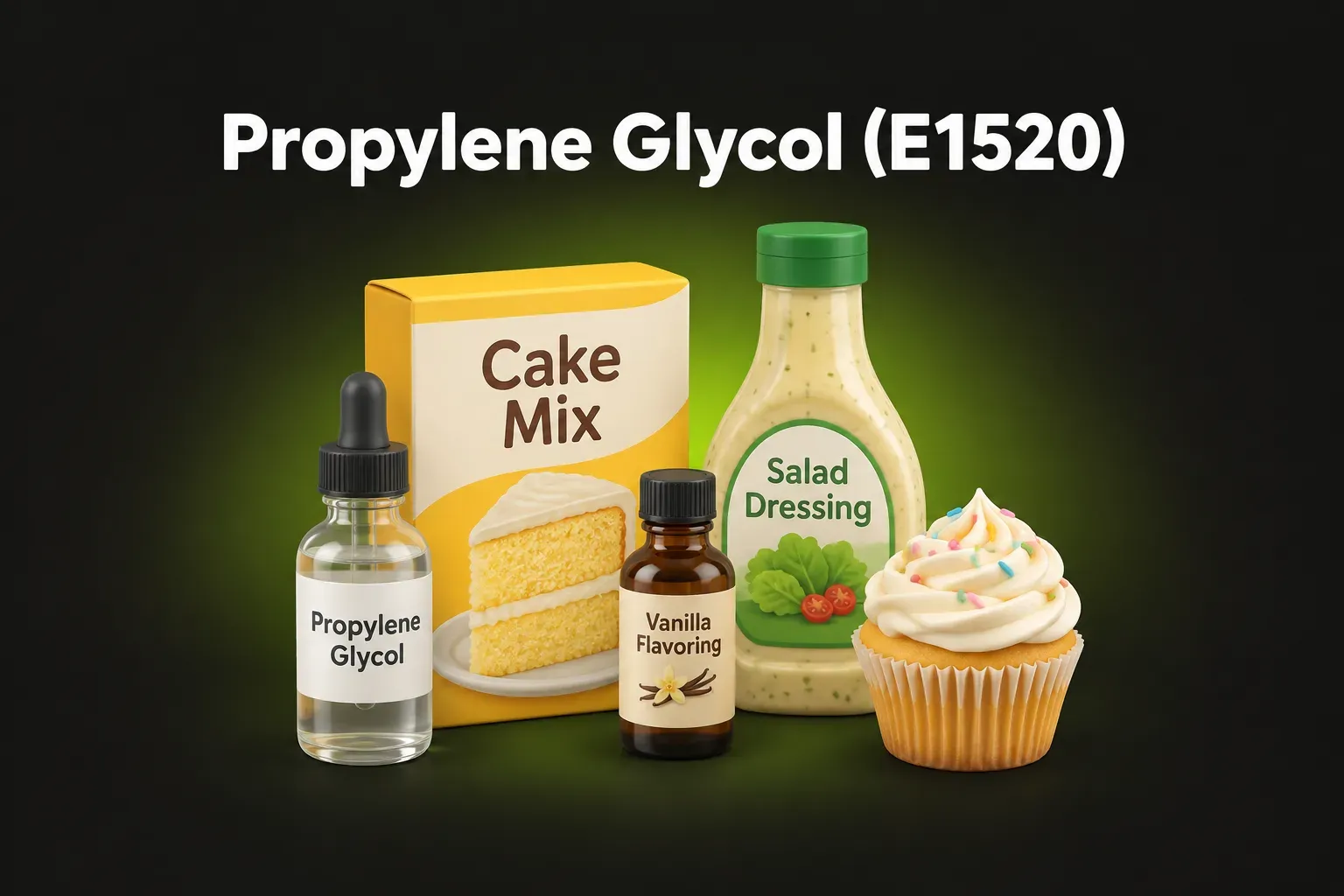
- Flavorings and extracts – vanilla, fruit and other flavors
- Food colorings – liquid dyes
- Cake mixes, frosting and baked goods – keep them soft and moist
- Salad dressings and sauces
- Ice cream and frozen desserts
- Soft drinks and flavored coffee drinks
- Some alcoholic drinks and liqueurs
In the EU, propylene glycol is allowed only as a carrier for other additives like flavors and colors, with a maximum of 1 g per kg of the final food. In the US, it’s “generally recognized as safe” and allowed in more uses, at higher levels.
Is propylene glycol safe? What the research says
What EFSA says
In 2018, the European Food Safety Authority re-evaluated propylene glycol. In a two-year study, rats fed up to 2.5 g per kg of body weight a day showed no harmful effects. Dogs fed twice that amount for two years had signs of faster breakdown of red blood cells. EFSA kept the safe daily limit of 25 mg per kg of body weight – about 1.75 g a day for a 70 kg adult – and found that people’s intake from food doesn’t go over it (EFSA, 2018).
Very large doses
Your body breaks propylene glycol down mainly into lactic acid. With very large amounts, this can cause acid build-up in the blood and stress on the kidneys. These cases happen almost only in hospitals, with high doses of intravenous medicines that contain propylene glycol as a solvent, such as some sedatives and seizure medicines. Doctors have also described one man who developed acid build-up after drinking a very large amount of whiskey that contained propylene glycol (Cunningham et al., Journal of Investigative Medicine High Impact Case Reports, 2015). These amounts are far beyond anything in normal food.
Skin reactions
Propylene glycol in creams, gels, lotions and cosmetics can cause allergic contact dermatitis – an itchy red rash – in some people. It’s a fairly common cause of skin reactions to cosmetics and medicated creams. Reactions from eating it are rare.
Babies
Babies, especially premature babies, break down propylene glycol more slowly, so medicines for newborns are made with care. Food for babies and young children in the EU has stricter rules on additives.
Propylene glycol vs similar ingredients
| Substance | Use | Toxicity |
|---|---|---|
| Propylene glycol (E1520) | Food, medicines, cosmetics | Low |
| Ethylene glycol | Car antifreeze | Very high – not used in food |
| Glycerol (E422) | Food, cosmetics | Very low |
| Polysorbate 80 (E433) | Emulsifier | Gut effects in mouse studies |
Should you avoid propylene glycol?
For most people, there’s no need – it’s one of the lower-risk additives at food levels. But:
- If you get rashes from creams or cosmetics, ask a dermatologist about a propylene glycol allergy.
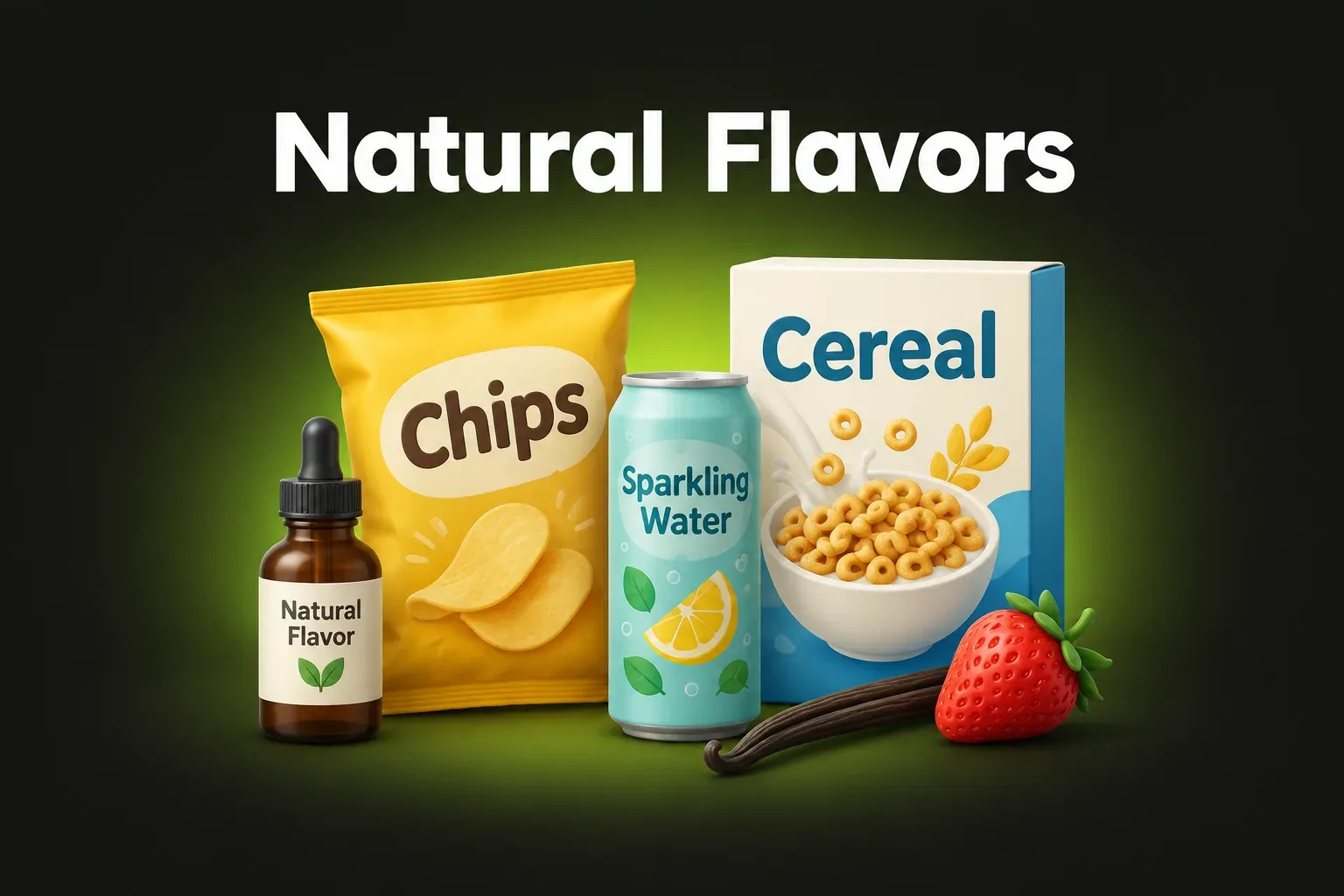
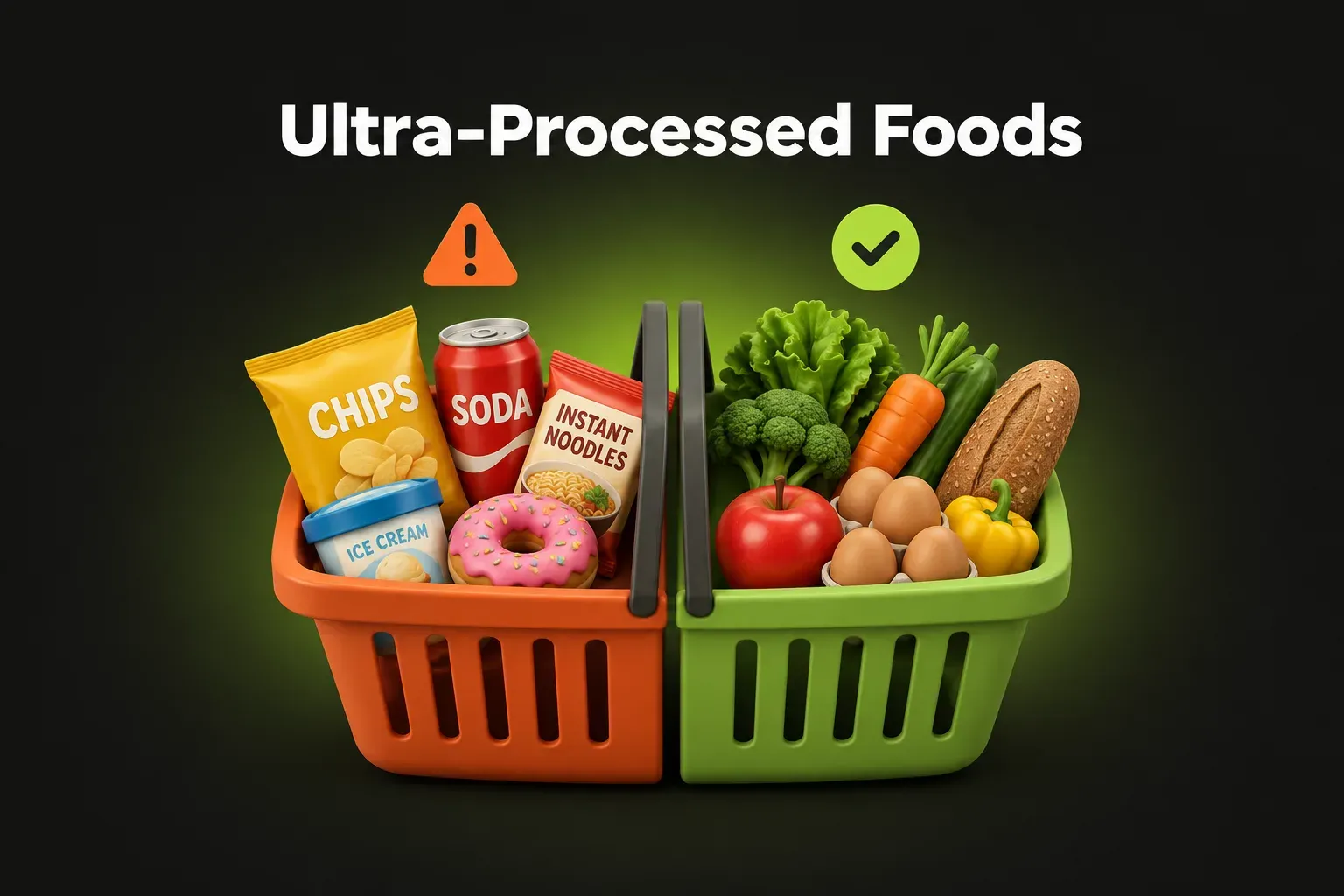
- Notice what it’s carrying. Propylene glycol usually comes with artificial flavors and colors in ultra-processed foods like cake mixes and frosting – read more about ultra-processed foods and natural flavors.
- Baking from scratch with real vanilla and simple ingredients avoids most of it.
Spot propylene glycol on any label in seconds. With NutriSmart, you photograph the ingredient list or scan the barcode, and the app tells you right away if the product has propylene glycol. Turn on an alert for it, and the app warns you every time a product you scan contains it. You’ll also see every other additive, the risks of each one and a health score out of 100.Get the app free
The bottom line
Propylene glycol (E1520) carries flavors and colors and keeps foods moist. It’s not the toxic antifreeze chemical, and EFSA found that people stay below its safe daily limit. Harm has been seen only with very large doses, mostly from hospital medicines, and it can cause skin rashes in cosmetics. In food it’s a low-risk additive – though it usually comes along with flavorings in ultra-processed products, which are worth limiting anyway.
FAQ
What is propylene glycol?
Propylene glycol is a clear, slightly sweet liquid made from petroleum. In food, it's mostly used as a carrier for flavors and colors and to keep foods moist. It's also used in medicines, cosmetics, e-cigarette liquids and some antifreeze products.
Is propylene glycol the same as antifreeze?
No. Classic antifreeze is made from ethylene glycol, which is very toxic. Propylene glycol is a different, much less toxic chemical that's used in some 'pet-safe' antifreezes for exactly that reason. The food-grade version is highly purified.
Is propylene glycol safe to eat?
In the amounts used in food, yes. The European Food Safety Authority kept its safe daily limit of 25 mg per kg of body weight in 2018 and found that people don't go over it. Problems have been seen only with very large doses, mostly from intravenous medicines in hospitals.
What foods contain propylene glycol?
Mostly flavorings and colorings, and through them cake mixes, frosting, baked goods, salad dressings, sauces, ice cream, soft drinks, flavored coffee and some alcoholic drinks. In the EU it's allowed only as a carrier for other additives, with strict limits.
Can you be allergic to propylene glycol?
Skin reactions are possible. Propylene glycol in creams, gels and cosmetics can cause allergic contact dermatitis – an itchy rash – in some people. Reactions from eating it are rare.
What is E1520?
E1520 is the European code for propylene glycol (propane-1,2-diol). On labels you may see "propylene glycol", "propane-1,2-diol" or "E1520" – but because it's often part of a flavoring, it may not be listed separately.