Low Glycemic Fruits: Glycemic Index of 20 Fruits
Which fruits have a low glycemic index, a chart with the GI and glycemic load of 20 fruits, which fruits to limit, and how to eat fruit with diabetes.

Fruit is sweet, so many people – especially those with diabetes or prediabetes – wonder if it raises blood sugar too much. The good news: most fruits have a low glycemic index, because their sugar comes packed with fiber, water and natural acids that slow it down.
The short answer: the fruits with the lowest glycemic index are cherries (22), grapefruit (25), dried apricots (31), apples (36), pears (38), strawberries (40), peaches (42) and oranges (43). Berries like raspberries and blackberries barely raise blood sugar at all. Fruits with a higher GI include watermelon (76), cantaloupe (65), raisins (64) and pineapple (59) – but watermelon and melon have few carbs per portion. The fruit to really limit is fruit juice.
What makes a fruit low glycemic?
The glycemic index (GI) shows how fast a food raises blood sugar compared with pure glucose (100). A GI of 55 or less is low, 56–69 is medium and 70 or more is high. Read the full guide to low glycemic index foods.
Most fruits have a low GI because:
- a lot of their sugar is fructose, which raises blood sugar very little (GI 15)
- they’re rich in fiber, which slows digestion
- they contain acids – like in citrus and berries – that make the stomach empty more slowly
Glycemic index of fruits: chart
GI values come from the International Tables of Glycemic Index (Atkinson et al., Diabetes Care, 2008; updated 2021). The glycemic load (GL) is worked out for a typical portion: 120 g of fresh fruit or 40 g of dried fruit. It shows how much that portion really raises blood sugar: 10 or less is low, 11–19 medium, 20 or more high.
| Fruit | GI | GL per portion |
|---|---|---|
| Cherries | 22 | 4 |
| Grapefruit | 25 | 2 |
| Dried apricots | 31 | 7 |
| Apple | 36 | 6 |
| Pear | 38 | 6 |
| Strawberries | 40 | 3 |
| Peach | 42 | 4 |
| Dates (2 dates) | 42 | 13 |
| Orange | 43 | 5 |
| Banana | 51 | 12 |
| Mango | 51 | 8 |
| Kiwi | 53 | 7 |
| Blueberries | 53 | 8 |
| Grapes | 53–59 | 12 |
| Pineapple | 59 | 8 |
| Papaya | 60 | 7 |
| Dried figs | 61 | 16 |
| Raisins | 64 | 19 |
| Cantaloupe | 65 | 6 |
| Watermelon | 76 | 4 |
GI values are averages and vary with variety and ripeness. Glycemic loads are rounded estimates.
Raspberries, blackberries and avocado aren’t in the table. They have so few carbs that their GI is hard to measure – but they raise blood sugar very little.
The best low glycemic fruits
- Cherries – the lowest GI of common fruits. Choose fresh or frozen, not candied.
- Grapefruit – very low GI and GL. But it can interact with some medicines, such as certain statins and blood pressure drugs, so check with your pharmacist.
- Apples and pears – low GI, plenty of fiber, especially if you eat the skin.
- Strawberries and other berries – few carbs, lots of fiber and substances that protect your cells.
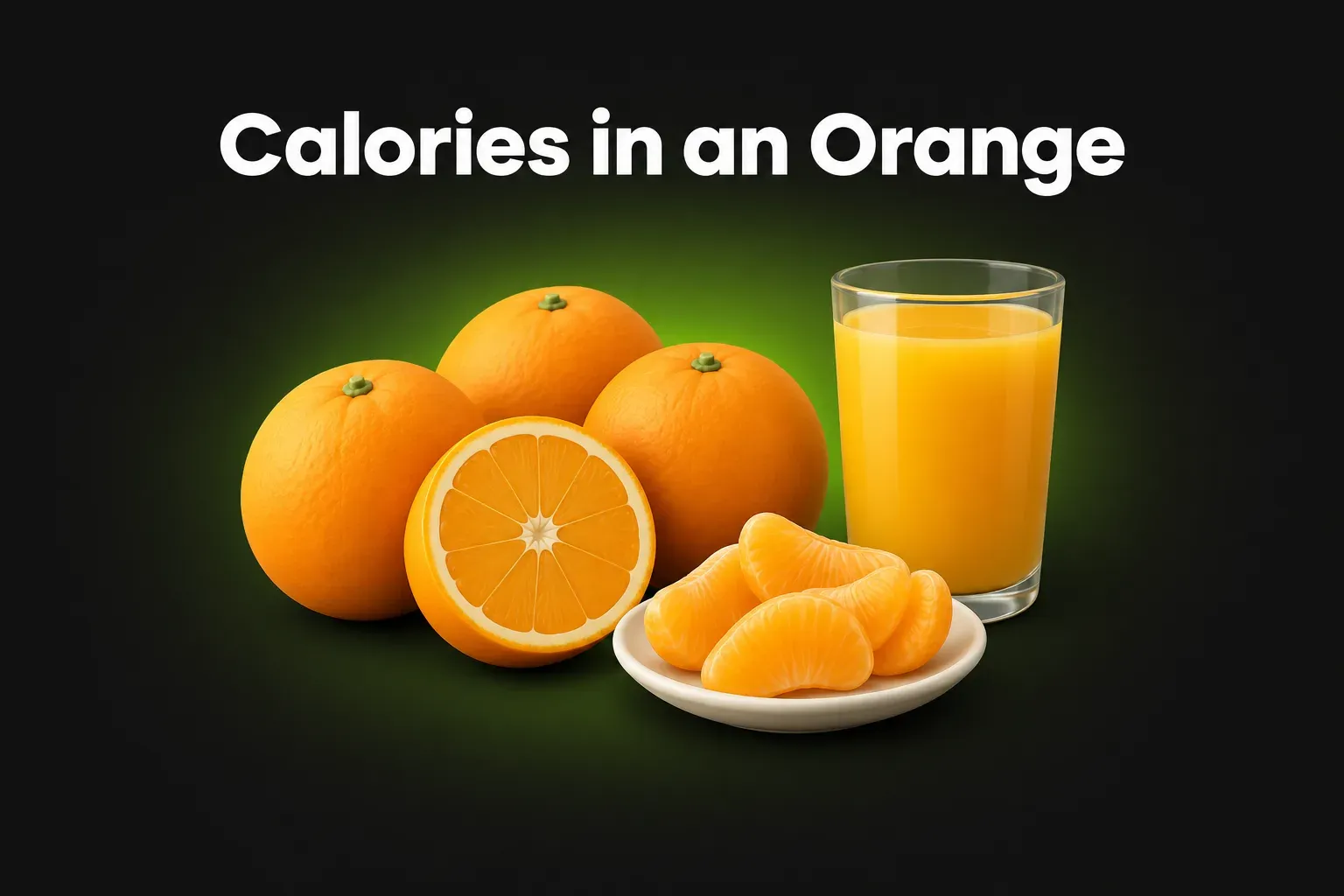
- Oranges and peaches – low GI, high in vitamin C. Eat the whole fruit, not the juice.
Fruits to watch
- Watermelon and cantaloupe have a higher GI, but a normal slice has few carbs, so their glycemic load is low. Just don’t eat half a melon at once.
- Bananas are low GI, but have more carbs than most fruits. Choose ones that aren’t too ripe, and eat one at a time.
- Raisins, dried figs and dates are concentrated sugar – a small handful is a portion.
- Fruit juice – even 100% juice – has no fiber, is easy to drink in large amounts and raises blood sugar faster than whole fruit.
Fruit and diabetes: what the research says
A Harvard study followed over 187,000 adults for about 20 years. People who ate more blueberries, grapes and raisins, apples and pears had a lower risk of type 2 diabetes. For example, three portions of blueberries a week were linked to a 26% lower risk. But people who drank more fruit juice had a higher risk (Muraki et al., BMJ, 2013).
So whole fruit isn’t the problem – juice is.
How to eat fruit with steady blood sugar
- Choose whole fruit, not juice or smoothies made only from fruit.
- Eat one portion at a time – about a medium apple or a cup of berries.
- Combine fruit with protein or fat: apple with peanut butter, berries with Greek yogurt, a pear with a handful of nuts.
- Choose fruit that isn’t overripe – especially bananas.
- Eat fruit after a meal or as part of breakfast rather than alone on an empty stomach, if you have diabetes.
- Limit dried fruit to a small handful.
See the glycemic index of any food. In the NutriSmart food library, you can see the glycemic index of each fruit and its glycemic load for your portion. You can also snap a photo of what you eat to count calories, carbs and fiber automatically.Get the app free
You can also read about low glycemic index foods and high fiber foods.
The bottom line
Most fruits have a low glycemic index – especially cherries, grapefruit, apples, pears, strawberries, peaches and oranges. Watermelon and melons have a higher GI but a low glycemic load. Dried fruit and juice raise blood sugar the most. Eat whole fruit, one portion at a time, ideally with some protein or fat – and skip the juice.
FAQ
Which fruits have the lowest glycemic index?
Cherries (22), grapefruit (25), dried apricots (31), apples (36), pears (38), strawberries (40), peaches (42) and oranges (43) have some of the lowest GI values. Berries such as raspberries and blackberries have so few carbs that they barely raise blood sugar.
Which fruits have a high glycemic index?
Watermelon (76) has a high GI, and cantaloupe (65), raisins (64), dried figs (61), papaya (60), pineapple (59) and grapes (around 59) are medium. But watermelon and melons have few carbs per portion, so their glycemic load is still low.
Are bananas low glycemic?
Yes, with a GI of about 51 – but it depends on ripeness. A slightly green banana has a lower GI than a very ripe one with brown spots. Because a banana has more carbs than most fruits, its glycemic load is medium (about 12 for a medium banana).
Can people with diabetes eat fruit?
Yes. Whole fruit is part of a healthy diet for people with diabetes. Choose mostly low GI fruits, eat one portion at a time, combine fruit with protein or fat (yogurt, nuts) and avoid fruit juice. A large Harvard study found that eating more blueberries, grapes, apples and pears was linked to a lower risk of type 2 diabetes, while fruit juice was linked to a higher risk.
Is fruit juice low glycemic?
Apple juice (41) and orange juice (50) have a low to medium GI, but juice has no fiber, is easy to drink in large amounts and has been linked to a higher risk of type 2 diabetes. Whole fruit is a much better choice.
Are dried fruits low glycemic?
Dried apricots (31), prunes and dates (42) have a low GI, but raisins (64) and dried figs (61) are medium. All dried fruits are concentrated in sugar and calories, so a small handful (about 30–40 g) is a portion.