Low Glycemic Index Foods: List and Glycemic Index Chart
What the glycemic index is, a chart of low, medium and high GI foods, the difference between glycemic index and glycemic load, and how a low GI diet helps blood sugar.
The glycemic index (GI) shows how quickly a food raises your blood sugar. Foods with a low GI release their sugar slowly and keep you full longer. You avoid the quick rise and drop that leaves you hungry an hour later. That’s why low GI foods matter for anyone with diabetes or prediabetes – and for anyone trying to lose weight or keep their energy steady.
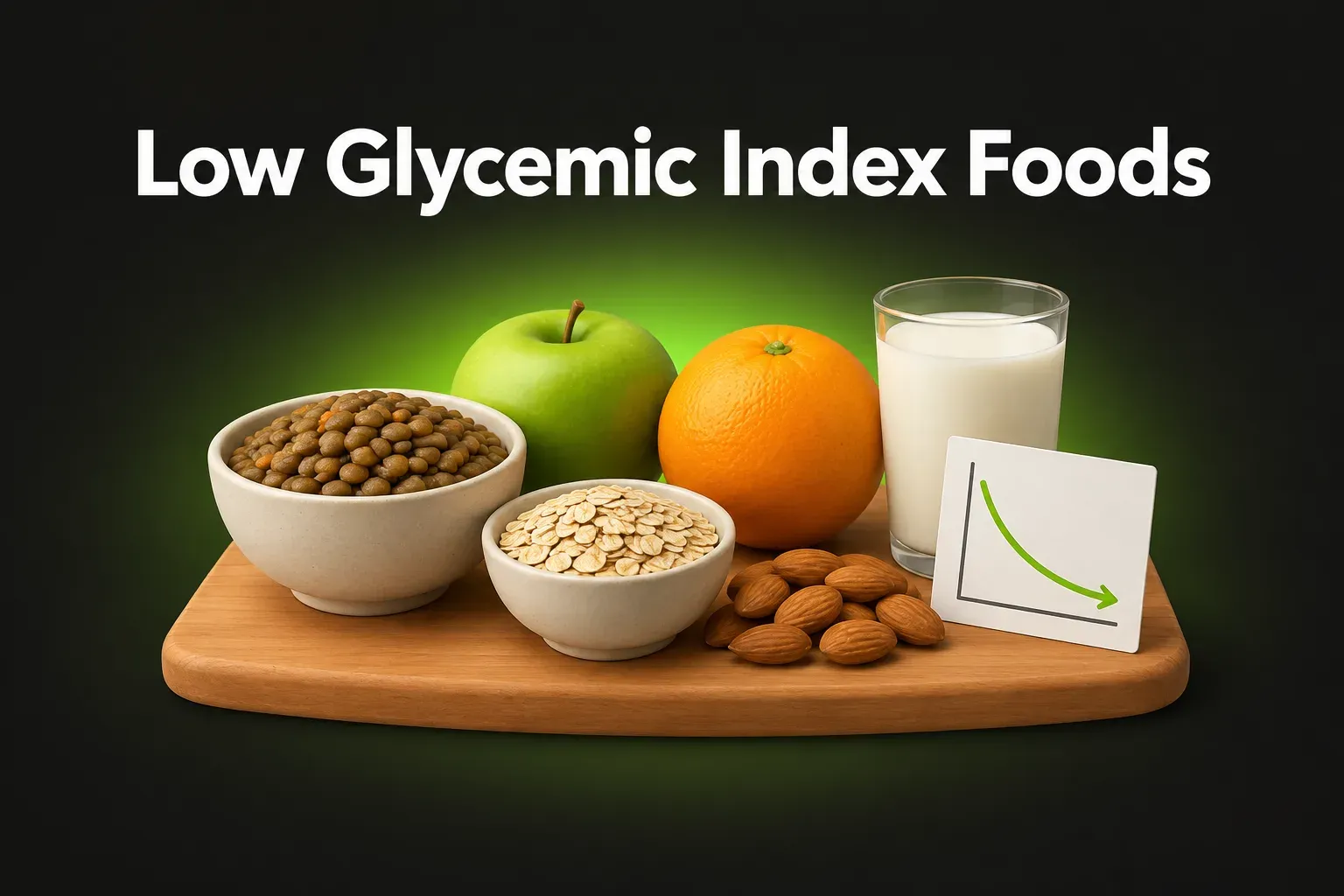
The short answer: foods with a GI of 55 or less are low GI. The best choices are beans, lentils and chickpeas, most fruits, milk and yogurt, rolled oats, barley, pasta cooked al dente, nuts and vegetables. Foods with a high GI (70 or more) include white bread, white rice, potatoes, cornflakes and rice cakes. In large studies, low GI diets improved blood sugar in people with diabetes. And high GI diets were linked to more heart attacks, strokes and deaths.
What is the glycemic index?
The glycemic index gives foods with carbohydrates a score from 0 to 100. It shows how much they raise blood sugar compared with pure glucose (100):
| GI | Category | What it means |
|---|---|---|
| 55 or less | Low | Raises blood sugar slowly |
| 56–69 | Medium | Raises blood sugar moderately |
| 70 or more | High | Raises blood sugar quickly |
Foods without carbohydrates – meat, fish, eggs, oils – don’t have a GI, because they barely raise blood sugar.
Glycemic index chart
The values below come from the International Tables of Glycemic Index, published by researchers at the University of Sydney (Atkinson et al., Diabetes Care, 2008; updated 2021). GI can vary by variety, ripeness and cooking, so treat them as averages.
Low GI foods (55 or less)
| Food | GI |
|---|---|
| Soybeans | 16 |
| Kidney beans | 24 |
| Chickpeas | 28 |
| Barley | 28 |
| Lentils | 32 |
| Soy milk | 34 |
| Apple | 36 |
| Skim milk | 37 |
| Whole milk | 39 |
| Carrots (boiled) | 39 |
| Chocolate | 40 |
| Fruit yogurt | 41 |
| Dates | 42 |
| Orange | 43 |
| Corn tortilla | 46 |
| Whole-wheat spaghetti | 48 |
| White spaghetti | 49 |
| Banana | 51 |
| Mango | 51 |
| Sweet corn | 52 |
| Rolled oats porridge | 55 |
Medium GI foods (56–69)
| Food | GI |
|---|---|
| Muesli | 57 |
| Pineapple | 59 |
| Honey | 61 |
| French fries | 63 |
| Sweet potato (boiled) | 63 |
| Popcorn | 65 |
| Couscous | 65 |
| Table sugar | 65 |
| Brown rice | 68 |
High GI foods (70 or more)
| Food | GI |
|---|---|
| White rice (boiled) | 73 |
| Whole-wheat bread | 74 |
| White bread | 75 |
| Watermelon | 76 |
| Potato (boiled) | 78 |
| Instant oatmeal | 79 |
| Cornflakes | 81 |
| Instant mashed potatoes | 87 |
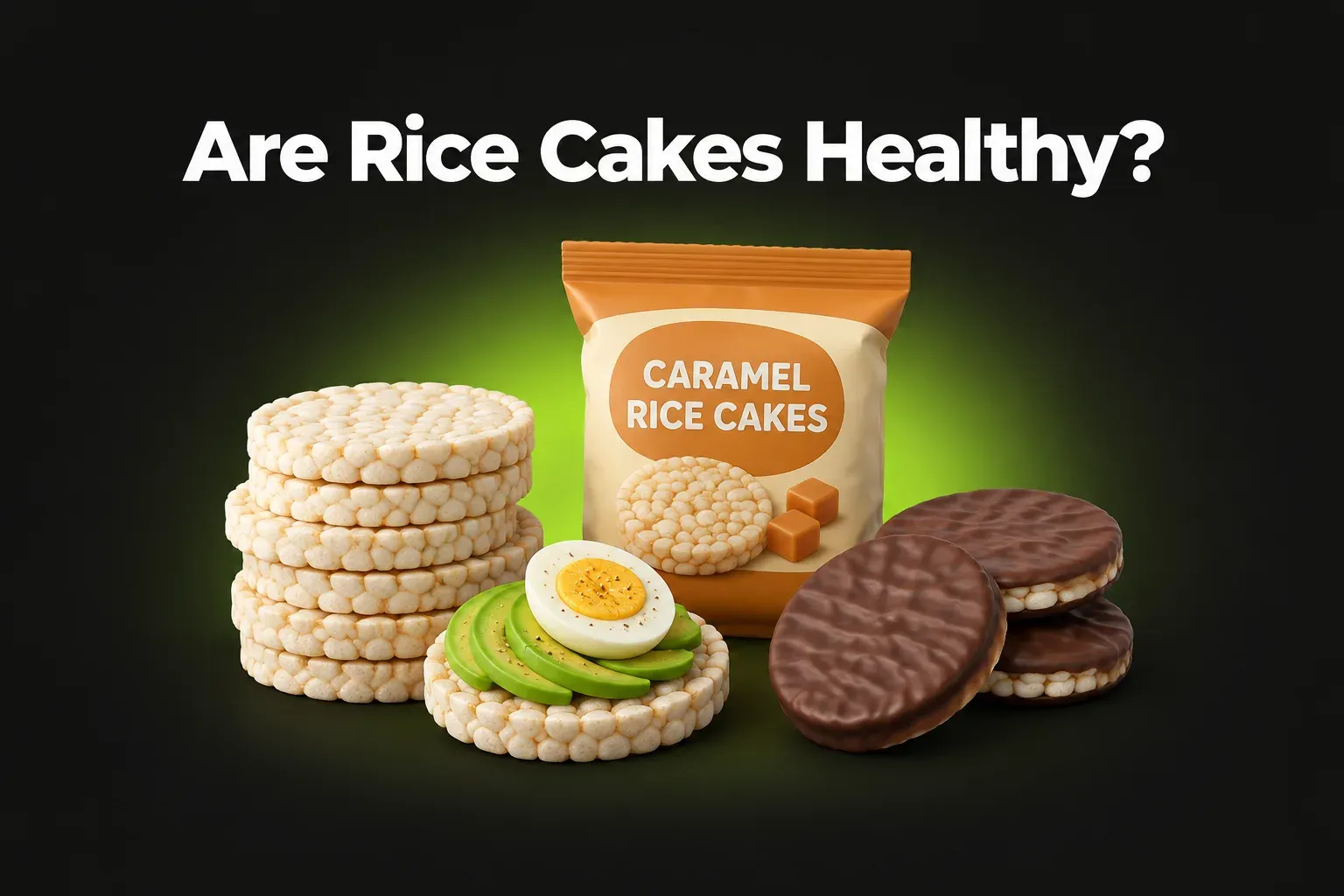
| Rice cakes | 87 |
Two surprises: most whole-wheat bread has almost the same GI as white bread, because the flour is finely ground – breads with whole grains and seeds you can see are better. And instant oatmeal has a much higher GI than old-fashioned rolled oats.
Glycemic index vs glycemic load
The GI only tells you how fast the carbs in a food raise blood sugar – not how much carbs are in a normal portion. That’s what the glycemic load (GL) adds:
Glycemic load = GI × grams of carbs in the portion ÷ 100
| GL per portion | Category |
|---|---|
| 10 or less | Low |
| 11–19 | Medium |
| 20 or more | High |
Watermelon is the classic example. Its GI is high (76), but a 120 g slice has only a few grams of carbs. So its glycemic load is low – only about 4. But a big plate of white rice has both a high GI and a lot of carbs, so its glycemic load is high.
Why choose low GI foods: what the research says
- Diabetes: a review looked at 29 trials in people with type 1 and type 2 diabetes. Low GI diets lowered HbA1c, the main test for long-term blood sugar. They also lowered morning blood sugar, LDL cholesterol, body weight and blood pressure (Chiavaroli et al., BMJ, 2021).
- Heart disease and death: the PURE study followed over 137,000 people in 20 countries for almost 10 years. Those who ate the highest GI diets had a 21% higher risk of a heart attack, stroke or death. Among people who already had heart disease, the risk was 51% higher (Jenkins et al., New England Journal of Medicine, 2021).
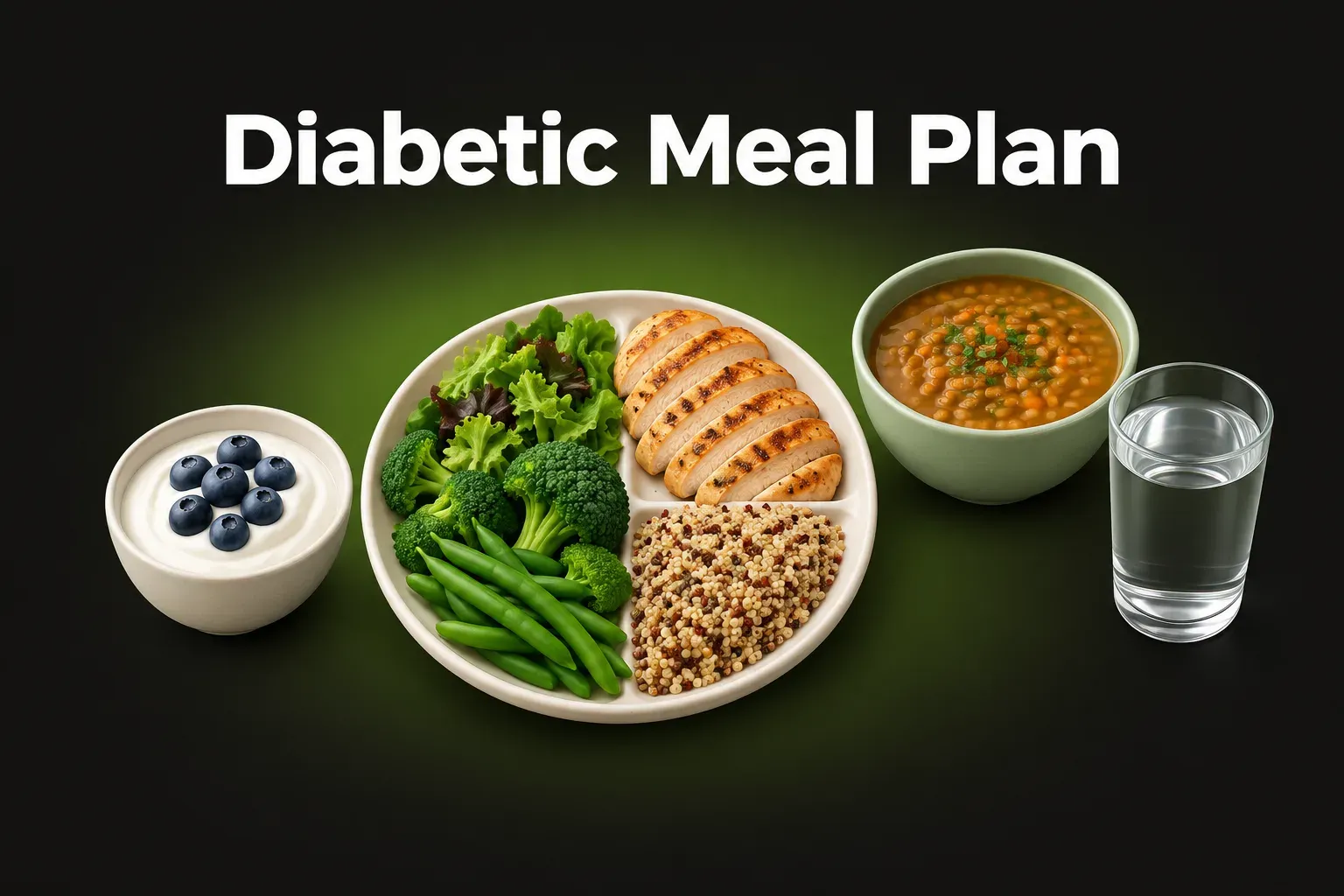
Low GI foods also tend to be higher in fiber and keep you full longer, which helps when you’re trying to eat less. Read more about high fiber foods. If you have diabetes, see our diabetic meal plan.
What changes the glycemic index of a food
- Ripeness: a ripe banana has a higher GI than a slightly green one.
- Cooking: pasta cooked al dente has a lower GI than soft pasta; mashed potatoes are higher than boiled ones.
- Processing: whole grains and coarse flakes have a lower GI than flour, puffed or instant products.
- Cooling: cooked potatoes, rice and pasta that are cooled form resistant starch, a starch that’s digested slowly. This lowers their GI a little, even if you reheat them.
- What you eat with it: protein, fat, fiber or something sour (like vinegar or lemon) slows down digestion and lowers the GI of the whole meal.
How to eat a low glycemic diet
- Swap white bread for breads with visible whole grains and seeds, or sourdough rye.
- Choose rolled or steel-cut oats instead of instant oatmeal and cornflakes.
- Eat beans, lentils or chickpeas several times a week.
- Cook pasta al dente and eat smaller portions of rice and potatoes.
- Eat whole fruit instead of juice and dried fruit.
- Combine carbs with protein and vegetables – for example, rice with chicken and salad instead of rice alone.
- Limit sugary drinks, sweets and rice cakes – they’re high GI and easy to overeat.
See the glycemic index of any food. In the NutriSmart food library, you can see the glycemic index of each food and its glycemic load for your portion. You can also snap a photo of what you eat to count calories, carbs and fiber automatically.Get the app free
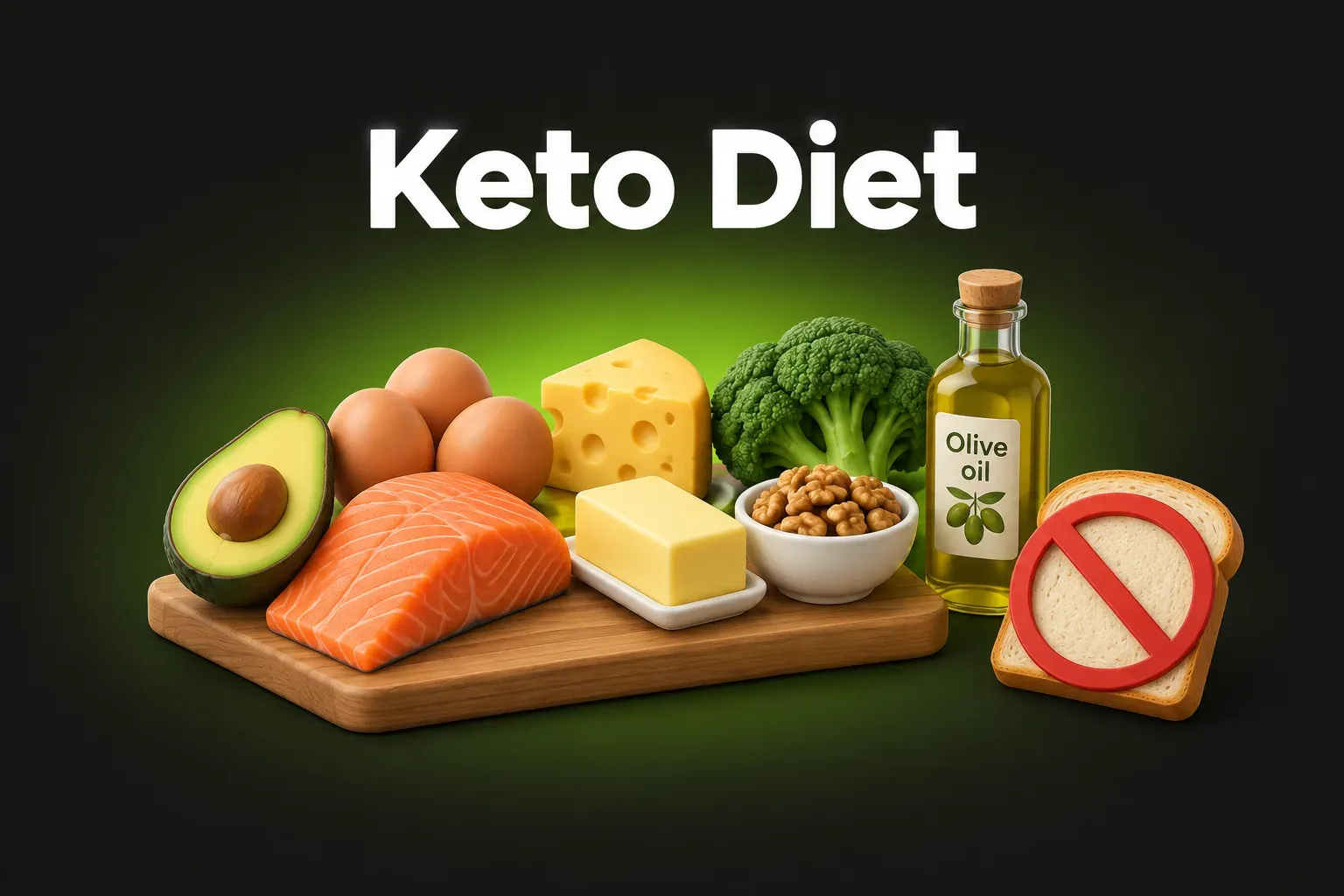
If you’re thinking about cutting almost all carbs, read our article on the keto diet first.
The bottom line
Low glycemic index foods raise blood sugar slowly and keep you full longer. They include beans, lentils, most fruits, dairy, rolled oats, barley, al dente pasta, nuts and vegetables. In large studies, low GI diets improved blood sugar in people with diabetes. And high GI diets were linked to more heart disease. Look at the glycemic load too, and combine carbs with protein, fat and fiber to keep your blood sugar steady.
FAQ
What are low glycemic index foods?
Low glycemic index (GI) foods have a GI of 55 or less, which means they raise blood sugar slowly. Examples are beans, lentils and chickpeas, most fruits (apples, oranges, pears, berries), milk and yogurt, pasta cooked al dente, rolled oats, barley, nuts and most non-starchy vegetables.
What is a good glycemic index?
A GI of 55 or less is low, 56–69 is medium and 70 or more is high. Choosing mostly low GI foods helps keep blood sugar steadier after meals.
What is the difference between glycemic index and glycemic load?
The glycemic index shows how fast the carbs in a food raise blood sugar. The glycemic load also takes into account how many carbs are in a normal portion. Watermelon, for example, has a high GI (76), but a slice has so few carbs that its glycemic load is low.
Which fruits have a low glycemic index?
Apples (36), pears (38), oranges (43), strawberries (40), peaches (42), dates (42), mangoes (51) and bananas (51) are low GI. Pineapple (59) is medium, and watermelon (76) is high, though its glycemic load is low.
Is a low glycemic diet good for diabetes?
Yes. A review of 29 trials looked at people with diabetes. Low GI diets lowered their long-term blood sugar (HbA1c), morning blood sugar, LDL cholesterol, body weight and blood pressure. Talk to your doctor or dietitian about how to use it alongside your treatment.
Does cooking change the glycemic index?
Yes. The longer you cook starchy foods, the higher their GI. Pasta cooked al dente has a lower GI than soft pasta, and mashed potatoes have a higher GI than boiled ones. Cooked potatoes, rice or pasta that you cool down have a slightly lower GI, even if you reheat them.