Sodium Caseinate: Is It Dairy? Allergy, Lactose and Safety
What sodium caseinate is, why "non-dairy" creamers contain milk protein, whether it's safe with a milk allergy or lactose intolerance, and where it's hidden.
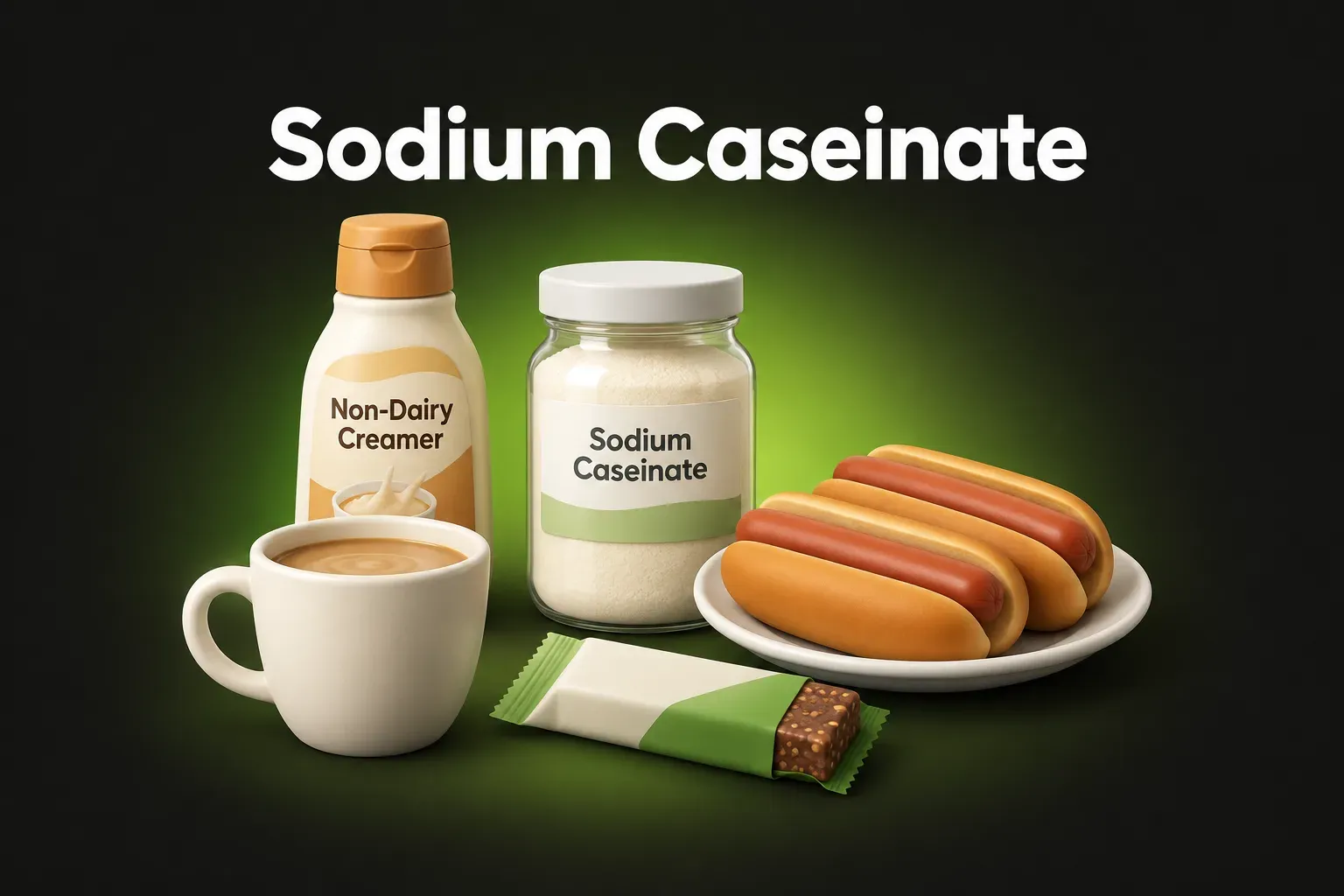
Your “non-dairy” coffee creamer may contain milk protein. That’s because of an ingredient called sodium caseinate, which is also in processed meats, protein bars, whipped toppings and many other products. For most people it’s harmless. But for people with a milk allergy, it can be dangerous – and the label doesn’t always make that obvious.
The short answer: sodium caseinate is casein, the main protein in milk, turned into a powder that dissolves in water. It’s a good-quality protein and safe for most people. It contains little or no lactose, so it’s usually fine with lactose intolerance. But it’s not safe for people with a milk allergy, and it’s not vegan – even in products labeled “non-dairy”. Its main downside is that it’s mostly found in processed foods.
What is sodium caseinate?
Milk contains two main proteins: whey (about 20%) and casein (about 80%). To make sodium caseinate, skim milk is soured with acid, which makes the casein clump. The casein is washed and then mixed with a sodium base (like sodium hydroxide), which turns it into a powder that dissolves in water. It’s about 90% protein.
In food, it:
- adds protein to bars, shakes and “high protein” products
- makes things creamy and white (coffee creamers, whipped toppings)
- helps fat and water mix (it’s an emulsifier)
- helps processed meats hold together and keep water
On labels, look for sodium caseinate, calcium caseinate, caseinate, casein or milk protein.
Where you’ll find sodium caseinate
- Coffee creamers and whiteners – including “non-dairy” ones
- Whipped toppings
- Protein bars, shakes and powders
- Processed meats: hot dogs, sausages, deli meats
- Processed cheese and cheese sauces
- Instant soups, sauces and ready meals
- Baked goods, cereals and some breads
- Some “dairy-free” cheeses (check carefully)
Why “non-dairy” products can contain milk
In the US, a product can be called “non-dairy” if it contains very little milk fat – even if it contains milk protein like sodium caseinate. US law does require the label to say “contains milk” or show milk in the ingredients, but the big “non-dairy” on the front can mislead people. In the EU, milk must always be highlighted as an allergen in the ingredient list.
Is sodium caseinate safe?
Milk allergy
Casein is one of the main causes of milk allergy. People with a milk allergy can react to small amounts, sometimes severely. In Japan, doctors described a person who had anaphylaxis (a severe, sudden allergic reaction) after drinking canned coffee that contained sodium caseinate (Nakagawa et al., Allergology International, 2020). If you or your child has a milk allergy, avoid sodium caseinate, including in “non-dairy” products.
Lactose intolerance
Sodium caseinate contains very little or no lactose, because the lactose is washed out with the liquid part of the milk. Most people with lactose intolerance can eat it without problems. Remember: lactose intolerance (trouble digesting milk sugar) is not the same as a milk allergy (an immune reaction to milk proteins).
As a protein
Casein is a complete, good-quality protein. It’s digested slowly, so it releases amino acids over several hours. That’s why some athletes take casein before bed. A review of studies found that casein before sleep had little or no effect on metabolism or appetite, but may help muscle building in people who do strength training (Dela Cruz et al., Nutrients, 2021). For most people, enough protein from food matters more than the type – see our protein calculator and list of high-protein foods.
Processed food
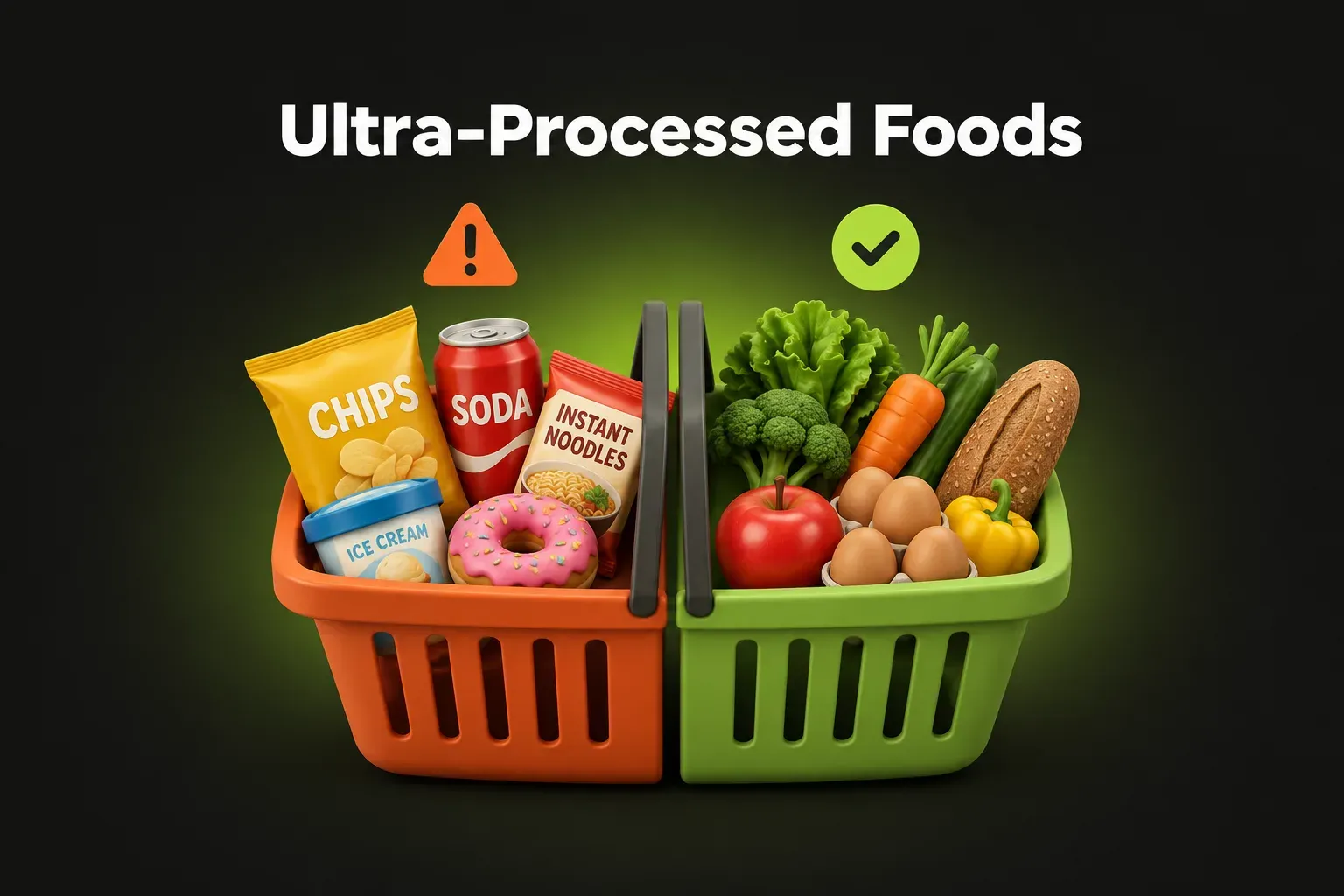
Sodium caseinate itself isn’t harmful for people without an allergy. But it’s a typical ingredient of processed and ultra-processed foods: creamers with oils and sugars, processed meats, bars full of sweeteners. The other ingredients in those products are usually the bigger problem. Read more about ultra-processed foods.
Sodium caseinate vs other proteins
| Protein | Source | Digestion | Contains lactose |
|---|---|---|---|
| Sodium caseinate | Milk (casein) | Slow | Very little |
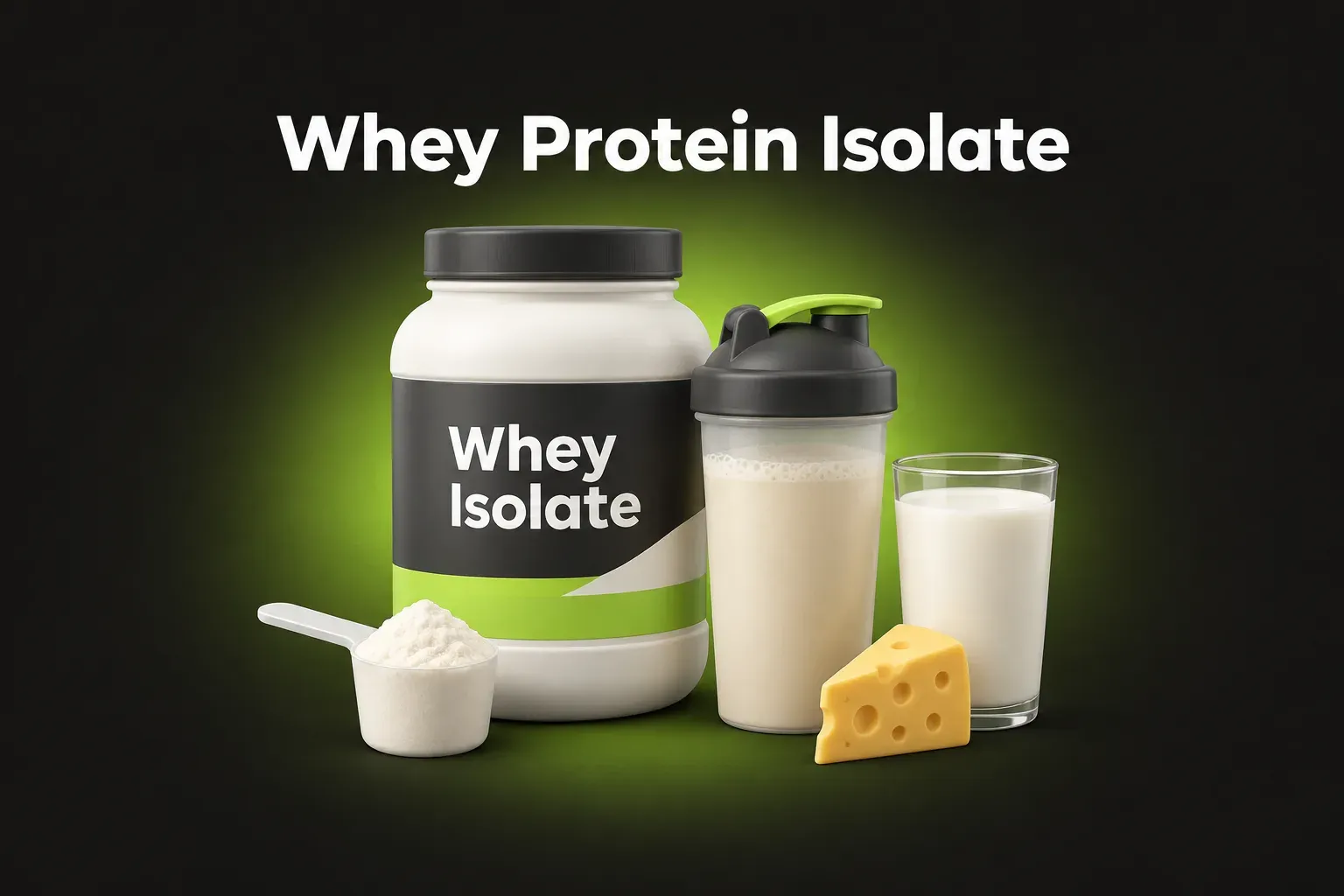
| Whey protein isolate | Milk (whey) | Fast | Very little |
| Soy protein | Soybeans | Medium | No |
| Plant-based protein blends | Peas, rice, soy | Medium | No |
Tips
- If you have a milk allergy, read every label for caseinate, casein and milk protein – and don’t trust “non-dairy”.
- If you’re vegan, check “non-dairy” creamers and some “dairy-free” cheeses.
- If you’re lactose intolerant, sodium caseinate is usually fine.
- Choose plain milk or a simple plant drink for your coffee instead of creamers with oils, sugars and additives.
Spot sodium caseinate on any label in seconds. With NutriSmart, you photograph the ingredient list or scan the barcode, and the app tells you right away if the product has sodium caseinate. Turn on an alert for it, and the app warns you every time a product you scan contains it. You’ll also see every other additive, the risks of each one and a health score out of 100.Get the app free
The bottom line
Sodium caseinate is the main protein from milk, processed into a powder that dissolves in water. It’s a good-quality protein, contains almost no lactose and is safe for most people. But it’s a milk protein, so it’s not safe for people with a milk allergy and not vegan – even in “non-dairy” creamers. It’s mostly found in processed foods, so the products around it deserve a closer look than the caseinate itself.
FAQ
What is sodium caseinate?
Sodium caseinate is a protein made from casein, the main protein in milk. Casein is separated from skim milk with acid and then mixed with a sodium base so it dissolves in water. It's used to add protein, make foods creamy, and help fat and water mix.
Is sodium caseinate dairy?
Yes. It's made from milk protein. Even products labeled "non-dairy", such as some coffee creamers, can contain it, because US rules let them use that label as long as they contain little milk fat. In the EU, it must be shown as a milk allergen.
Can people with a milk allergy eat sodium caseinate?
No. Casein is one of the main proteins that causes milk allergy, and reactions can be severe. In Japan, doctors described a person who had anaphylaxis from sodium caseinate in canned coffee. If you have a milk allergy, avoid it.
Is sodium caseinate safe with lactose intolerance?
Usually yes. Sodium caseinate contains very little or no lactose, so most people with lactose intolerance can eat it. Lactose intolerance and milk allergy are different things.
Is sodium caseinate vegan?
No. It comes from cow's milk, so it isn't vegan, even when it's in a "non-dairy" product.
Is sodium caseinate bad for you?
For people without a milk allergy, it's a safe, good-quality protein. The concerns are allergies and the fact that it's mostly found in processed foods, like creamers, processed meats and protein bars, rather than in the food itself.