Healthy Frozen Meals: What to Look For on the Label
How to find healthy frozen meals: the numbers to check for sodium, protein and fiber, frozen meals ranked, frozen pizza and additives to skip.
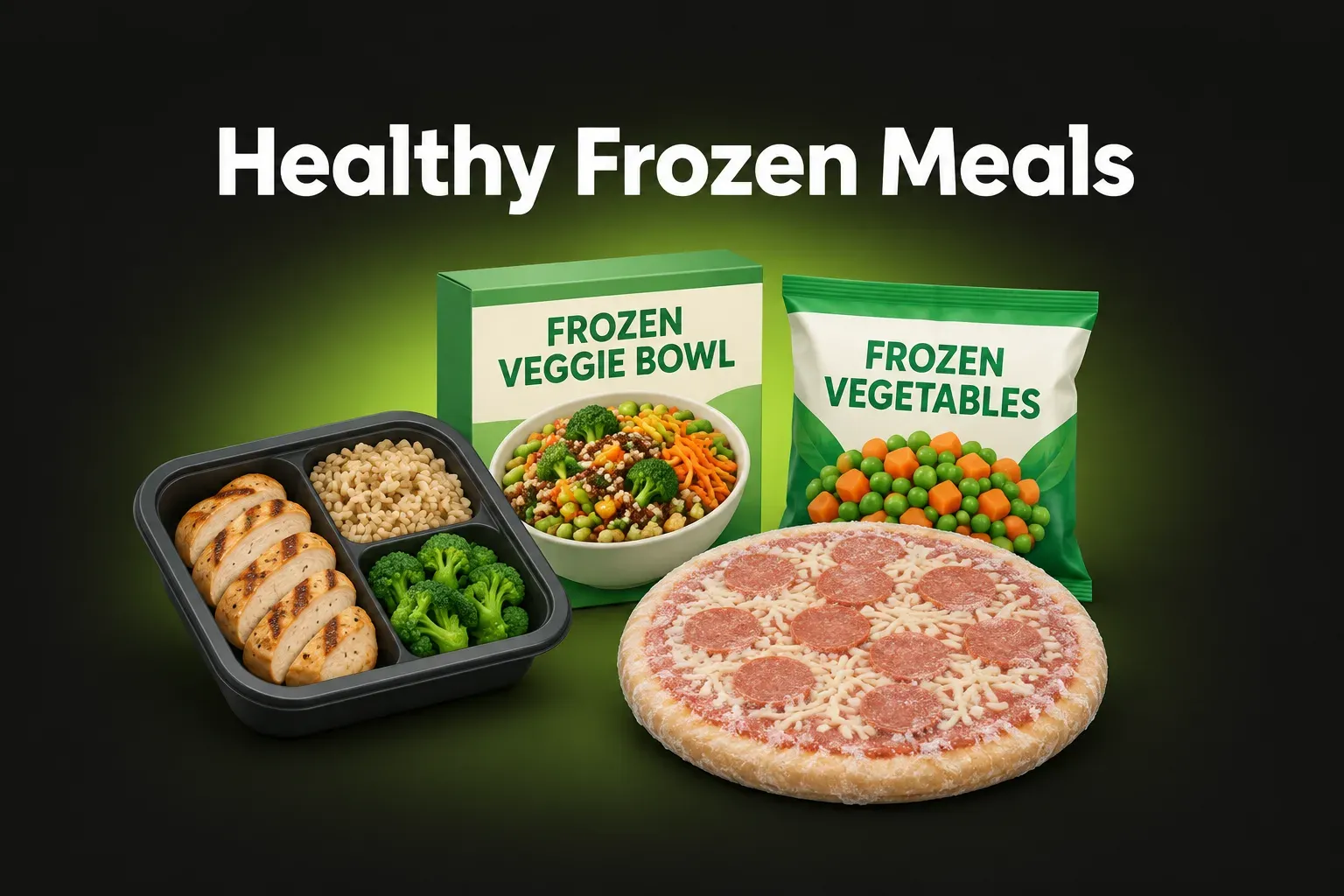
Frozen meals save time: microwave, five minutes, dinner. And the freezer aisle now has “power bowls”, “lean” meals and veggie bowls that look healthy. But many frozen meals are very salty, low in vegetables and full of additives. The good news: two meals that look alike in the store can be very different on the label. Here’s how to find the healthy ones.
The short answer: a healthy frozen meal has at least 15 g of protein, at least 4–5 g of fiber, no more than about 600 mg of sodium and no more than 4 g of saturated fat, with vegetables, beans or whole grains high on the ingredient list. The healthiest frozen foods are often the simplest: plain frozen vegetables, fruit, fish and edamame. Be careful with pizza, pot pies, burritos and creamy pasta.
How to pick a healthy frozen meal: 6 checks
| Check | Aim for | Why |
|---|---|---|
| Sodium | 600 mg or less | Many meals have 800–1,200 mg |
| Protein | 15 g or more | Keeps you full until the next meal |
| Fiber | 4–5 g or more | Shows real vegetables, beans or whole grains |
| Saturated fat | 4 g or less | Cheese and cream sauces add a lot |
| Added sugar | 10 g or less | Sweet sauces like teriyaki add sugar |
| Ingredient list | Real foods first | Not starches, flavors and gums |
These limits follow the US Food and Drug Administration. Since 2024, a meal can only be called “healthy” on the label if it has no more than 690 mg of sodium, 4 g of saturated fat and 10 g of added sugar, plus real amounts of at least three food groups (FDA).
Salt is the biggest problem. Adults should eat less than 2,300 mg of sodium a day. In a study of what Americans eat, pizza was the number one source of sodium, and burritos and pasta dishes were also in the top 15 (Ahmed et al., Nutrients, 2023) – all common frozen meals.
Frozen meal types ranked
Typical numbers per package or serving. Brands differ a lot – check the label.
| Frozen food | Calories | Protein | Sodium | Verdict |
|---|---|---|---|---|
| Plain frozen foods | Varies | Varies | 0–150 mg | Best choice: vegetables, fruit, fish and edamame to build your own meal |
| Grain bowls | 300–450 | 15–25 g | 450–700 mg | Good: vegetables + protein; check sodium |
| “Lean” or “light” meals | 250–320 | 12–18 g | 500–700 mg | OK; often too small and few vegetables |
| Stir‑fry and skillet | 250–400 | 12–20 g | 600–900 mg | OK; sauces add salt and sugar |
| Burritos | 300–400 | 10–14 g | 600–900 mg | Salty, refined tortilla |
| Mac and cheese, pasta | 350–500 | 12–18 g | 800–1,100 mg | High in salt and saturated fat |
| Pot pies | 600–700 | 15–20 g | 900–1,200 mg | Very high in fat and salt |
| Whole pizza | 900–1,200 | 35–50 g | 1,500–2,500 mg | Meant to be shared |
The healthiest frozen foods are the simple ones
Some of the healthiest foods in the store are in the freezer:
- Frozen vegetables – broccoli, spinach, peas, green beans, stir-fry mixes without sauce.
- Frozen fruit – berries, mango, cherries.
- Frozen fish and shrimp – plain fillets, not breaded.
- Edamame – about 17 g of protein per cup, shelled.
- Frozen brown rice, quinoa and whole-grain sides.
Frozen vegetables and fruit are frozen soon after harvest. In a study of eight common fruits and vegetables, the vitamins in frozen produce were about the same as fresh, and sometimes higher (Bouzari et al., Journal of Agricultural and Food Chemistry, 2015). With a bag of vegetables, a piece of frozen fish and some quick brown rice, you have a healthy meal in 15 minutes – with almost no salt or additives.
Why many frozen meals aren’t healthy
Most ready-made frozen meals are ultra-processed foods. In a strict hospital study, people ate about 500 more calories a day on an ultra-processed diet than on a diet of simple foods, and gained weight in just two weeks (Hall et al., Cell Metabolism, 2019). Read more about ultra-processed foods.
Typical problems:
- Too much salt – used for taste and to keep food fresh.
- Few vegetables – often just a few pieces of carrot or pepper.
- Refined carbs – white rice, white pasta and refined tortillas.
- Cheese and cream sauces – lots of saturated fat.
- Small portions – many “light” meals leave you hungry an hour later.
Additives to watch for in frozen meals
Frozen meals often have long ingredient lists. Common additives include:
- Modified food starch and xanthan gum – thicken sauces so they survive freezing.
- Sodium phosphate – keeps meat juicy and processed cheese smooth.
- Carrageenan – in cheese and cream sauces.
- MSG and natural flavors – add taste.
- Caramel color – darkens sauces and gravies.
- Maltodextrin and dextrose – fillers and sugars.
- TBHQ – a preservative in some fried and breaded parts.
A meal with real foods first and only a few additives is the better pick.
Is frozen pizza healthy?
Frozen pizza is one of the most popular frozen foods – and one of the saltiest. A whole pizza often has 900–1,200 calories and 1,500–2,500 mg of sodium, which is more than a full day’s salt. Many people eat half or all of it at once.
If you buy frozen pizza:
- Eat one serving (often a third or a quarter of the pizza) and add a big salad.
- Choose thin crust with vegetables instead of extra cheese and pepperoni.
- Compare sodium – it can differ by 500 mg or more per serving between brands.
- Add your own toppings – spinach, peppers, mushrooms – to make it more filling.
Are frozen meals good for weight loss?
They can be useful, because the calories are already counted and the portion is fixed. But two things matter:
- Enough protein and fiber. A 250-calorie meal with 12 g of protein won’t keep you full. Choose meals with 15–25 g of protein and 5 g of fiber or more.
- Add vegetables. Heat a cup of frozen broccoli or green beans next to your meal. It adds volume and fiber for only 30–50 calories.
Read more about how a calorie deficit works, and see our list of low-calorie foods.
Make your own freezer meals
The healthiest “frozen meals” are the ones you cook yourself. On a free afternoon, make a big pot of chili, lentil soup, vegetable curry or chicken with rice and vegetables. Split it into containers and freeze them. You get the same convenience, with less salt, more vegetables and no additives.
Compare frozen meals in the store. With NutriSmart, you photograph the label or scan the barcode. The app shows the sodium, protein and fiber, flags additives, explains each one and gives the meal a health score out of 100 – so you can see in seconds which box is the better choice.Get the app free
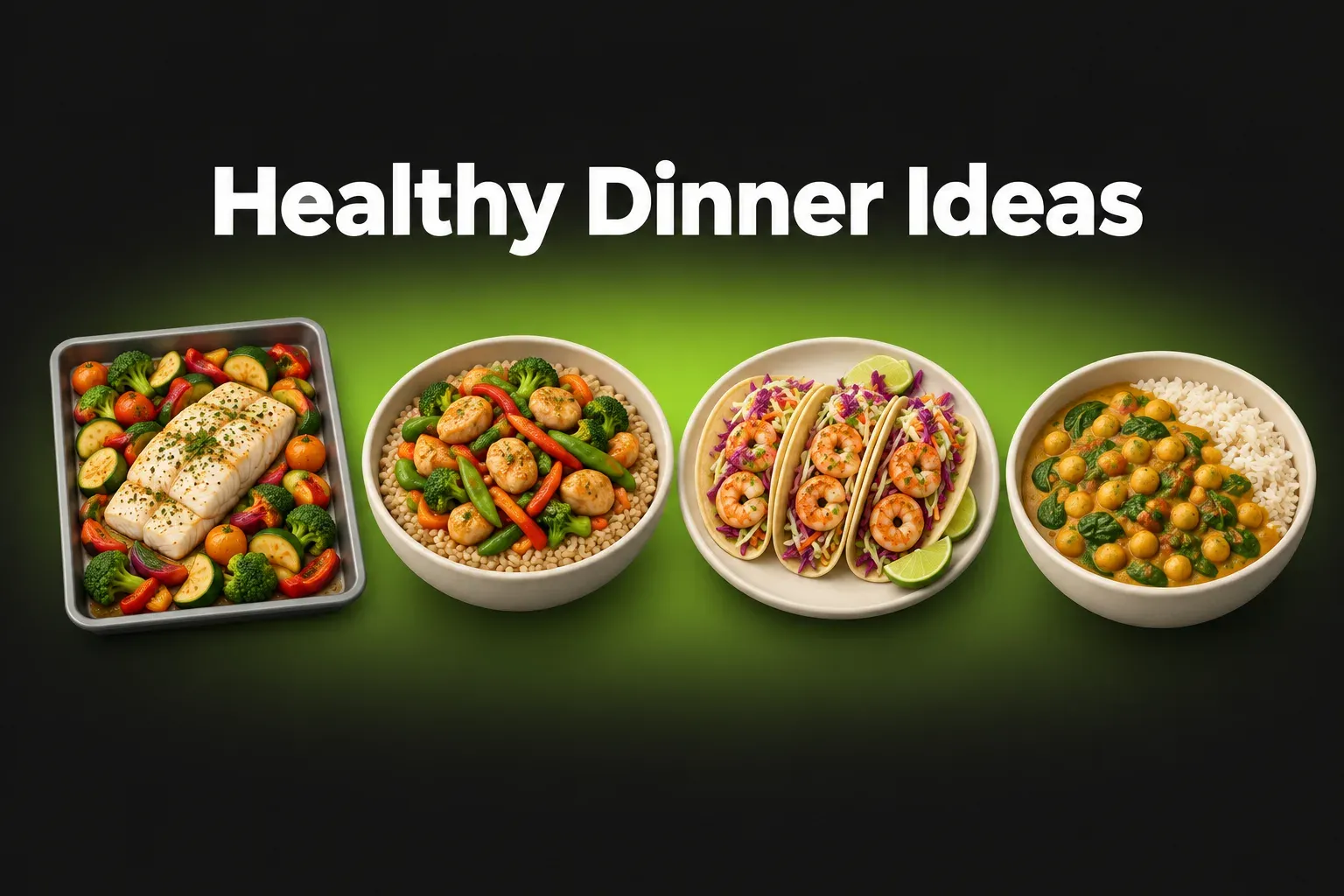
When you have 15–20 minutes, these healthy dinner ideas are often just as quick as a frozen meal.
The bottom line
Healthy frozen meals exist, but you have to read the label. Look for at least 15 g of protein, 4–5 g of fiber, about 600 mg of sodium or less and real foods first on the ingredient list. Plain frozen vegetables, fruit, fish and edamame are some of the healthiest foods in the store. Be careful with pizza, pot pies, burritos and creamy pasta, which are often very salty – and add a side of vegetables to any frozen meal.
FAQ
Are frozen meals healthy?
Some are. Plain frozen vegetables, fruit, fish and simple grain bowls can be very healthy. But many frozen meals are ultra-processed, very salty and low in vegetables. Check the label for sodium, protein, fiber and the ingredient list.
What should I look for in a healthy frozen meal?
At least 15 g of protein, at least 4–5 g of fiber, no more than about 600 mg of sodium, no more than 4 g of saturated fat, and vegetables or beans high on the ingredient list. In 2024, the FDA set a limit of 690 mg of sodium for meals that want to be called healthy.
Are frozen meals good for weight loss?
They can help because the portion and calories are fixed. But many 'light' meals have only 250–300 calories and little protein, so you get hungry soon after. Pick meals with more protein and fiber, or add a side salad or frozen vegetables.
Are frozen vegetables as healthy as fresh?
Yes. Vegetables are frozen soon after harvest, and studies find their vitamins are about the same as fresh – sometimes higher, because fresh produce loses vitamins during transport and storage.
Is frozen pizza healthy?
Usually not. A whole frozen pizza can have 900–1,200 calories and 1,500–2,500 mg of sodium. If you eat it, stick to one serving, choose a thin crust with vegetables, and add a salad.
How much sodium is too much in a frozen meal?
Adults should eat less than 2,300 mg of sodium a day. A meal with more than about 600–700 mg uses up a big part of that. Many frozen meals have 800–1,200 mg.