Sodium Phosphate in Food: Is It Bad for You?
What sodium phosphate and disodium phosphate (E339) are, why they're in processed cheese, deli meat and cereals, and what studies show about the kidneys, heart and children.
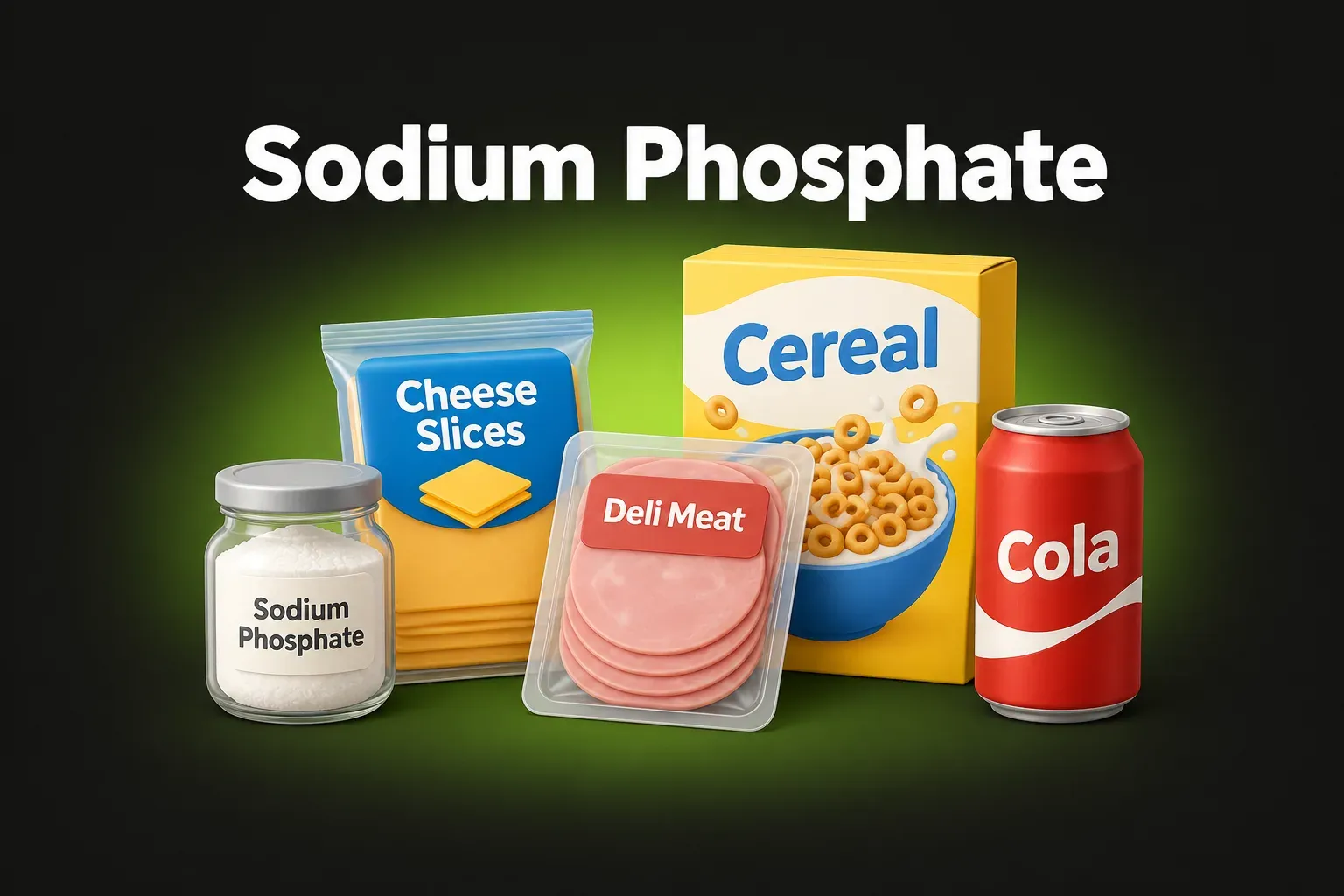
Sodium phosphate – often listed as disodium phosphate or trisodium phosphate – is one of the most common additives in processed food. It keeps processed cheese smooth, helps deli meat and chicken stay juicy, makes cakes and pancakes rise and is added to many cereals. Your body needs phosphorus, so is it a problem at all?
The short answer: in small amounts, sodium phosphate is considered safe. But your body takes in almost all of the phosphate from additives. That’s far more than from the natural phosphorus in meat, beans or nuts. So people who eat a lot of processed food can get too much phosphorus. Too much is linked to damaged blood vessels and, in some studies, a higher risk of death. It’s especially harmful for people with kidney disease. In 2019, the European Food Safety Authority found that children often go over the safe daily amount of phosphates.
What is sodium phosphate?
Sodium phosphates are made from phosphoric acid and sodium. There are three main types:
| Type | EU code | Common uses |
|---|---|---|
| Monosodium phosphate | E339(i) | Baking powder, controlling sourness |
| Disodium phosphate | E339(ii) | Processed cheese, puddings, pasta, evaporated milk |
| Trisodium phosphate | E339(iii) | Cereals, meat and poultry, some drinks |
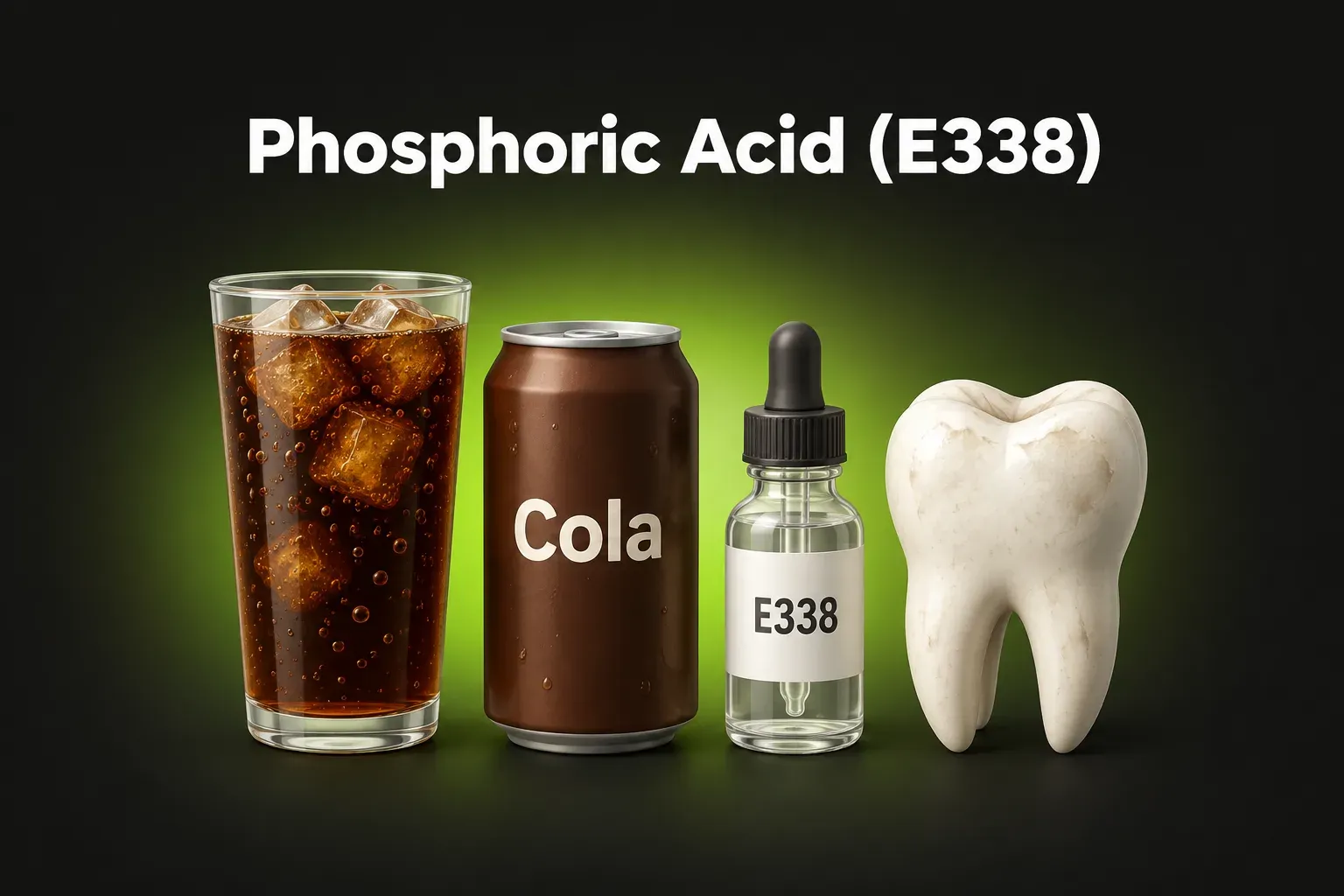
They belong to a larger family of phosphate additives. It also includes phosphoric acid (E338) in cola, potassium and calcium phosphates (E340, E341) and polyphosphates (E450–E452) used in meat, fish and baked goods.
Why sodium phosphate is in so many foods
- Processed cheese and cheese sauces: it keeps cheese smooth when melted
- Deli meat, sausages, ham, chicken and frozen fish: helps them hold water, so they weigh more and stay juicy
- Baked goods: as part of baking powder, it makes cakes, pancakes and biscuits rise
- Cereals and instant foods: controls sourness and texture, and adds phosphorus
- Puddings and instant desserts: helps them set quickly
- Fast food: in burgers, nuggets, cheese and buns
Is sodium phosphate bad for you? What the research says
Your body takes in almost all added phosphate
Phosphorus is in almost every food rich in protein. But natural phosphorus from plants and meat is tied to other substances. Your body takes in only about 40–60% of it (even less from beans and grains). With phosphate additives, your body takes in almost all of it. A review in a German medical journal explains this. It’s the added phosphate – not natural phosphorus – that clearly raises phosphate in the blood. Its main harm is damage to blood vessels, for example hard, stiff arteries from calcium buildup (Ritz et al., Deutsches Ärzteblatt International, 2012).
Phosphorus and risk of death
A US study followed nearly 9,700 healthy adults. People who ate more than 1,400 mg of phosphorus a day had a higher risk of death during the study. This was true even after taking into account how healthy their diet was, their salt intake and how well their kidneys worked. Below 1,400 mg a day, there was no link (Chang et al., American Journal of Clinical Nutrition, 2014). Diets high in processed food can easily go above that amount. This kind of study shows a link, not proof that phosphorus is the cause.
Children go over the safe amount
In 2019, EFSA set a safe daily amount of 40 mg of phosphorus per kg of body weight for all phosphate sources together. It found that babies, toddlers and children – and teenagers who eat a lot of phosphorus – go over this amount. Phosphate supplements can too (EFSA, 2019). EFSA also said this limit doesn’t protect people with kidney disease.
Kidney disease
For people with long-term kidney disease, phosphate additives are a big problem. Their kidneys can’t remove the extra phosphate. It builds up in the blood and damages bones and blood vessels. Kidney doctors tell these patients to avoid processed foods with phosphate additives.
Sodium phosphate laxatives
Sodium phosphate is also used in some laxatives – medicines that empty the bowels, for example before a colonoscopy. At these much higher doses, it has caused kidney damage. Tiny crystals of calcium phosphate build up in the kidneys. Doctors at Columbia University found 21 such cases in four years. Many of these patients were left with kidney damage that never went away (Markowitz et al., Journal of the American Society of Nephrology, 2005). Only use these products if a doctor tells you to.
More sodium
Sodium phosphates also add sodium, on top of the salt already in processed cheese and meat.
How to eat less sodium phosphate
- Read labels – look for “phos”: sodium phosphate, disodium phosphate, trisodium phosphate, phosphoric acid, polyphosphates and E338–E452.
- Choose natural cheese instead of processed cheese slices, spreads and sauces.
- Buy fresh meat and fish without “added solution” or phosphates, and limit deli meats.
- Cut back on cola – it contains phosphoric acid.
- Cook at home more often and eat less fast food.
- If you have kidney disease, follow your doctor’s or dietitian’s advice on phosphorus.
Spot phosphates on any label in seconds. With NutriSmart, you photograph the ingredient list or scan the barcode, and the app tells you right away if the product has phosphates. Turn on an alert for them, and the app warns you every time a product you scan contains them. You’ll also see every other additive, the risks of each one and a health score out of 100.Get the app free
You can also read about ultra-processed foods and calcium carbonate, another mineral additive.
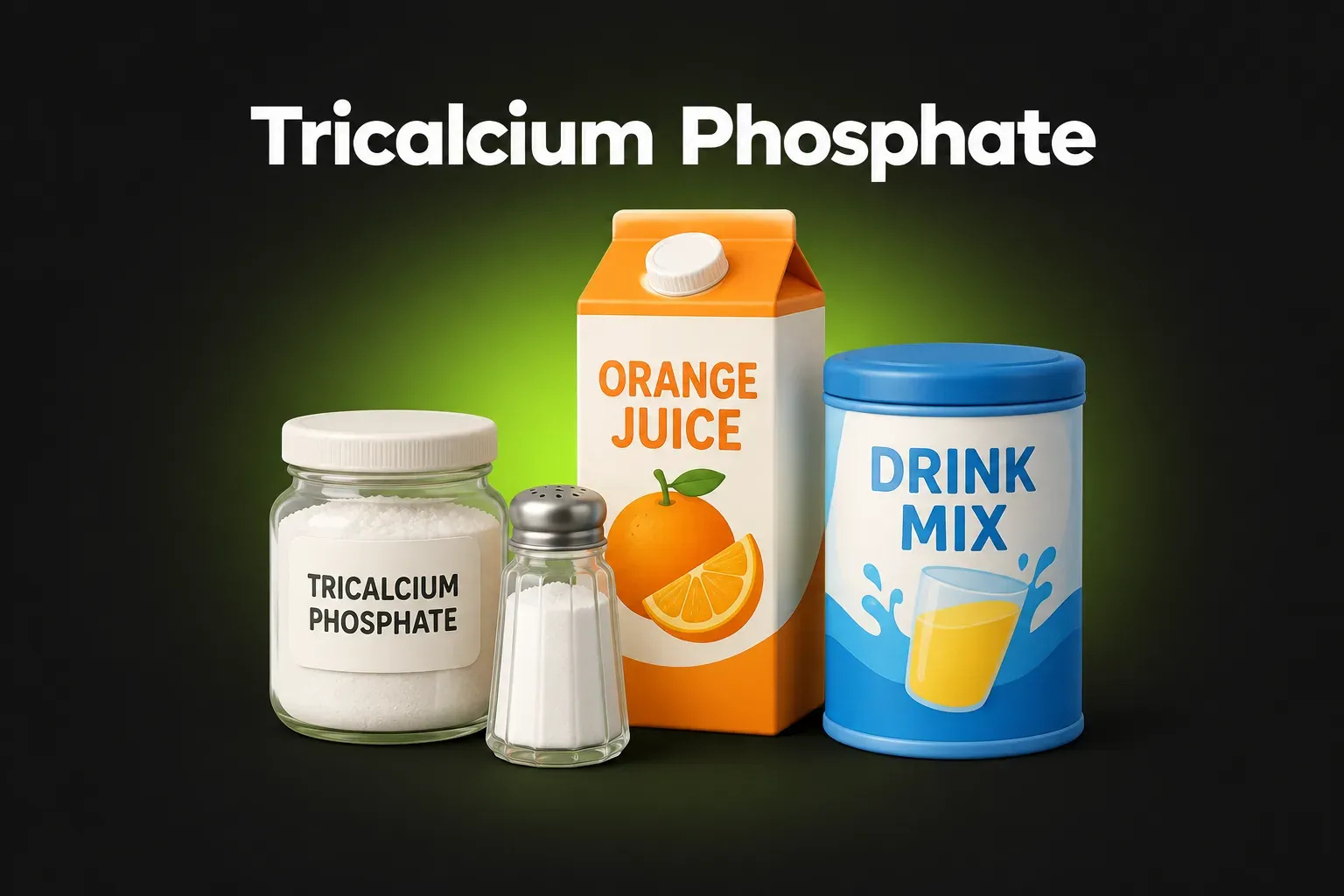
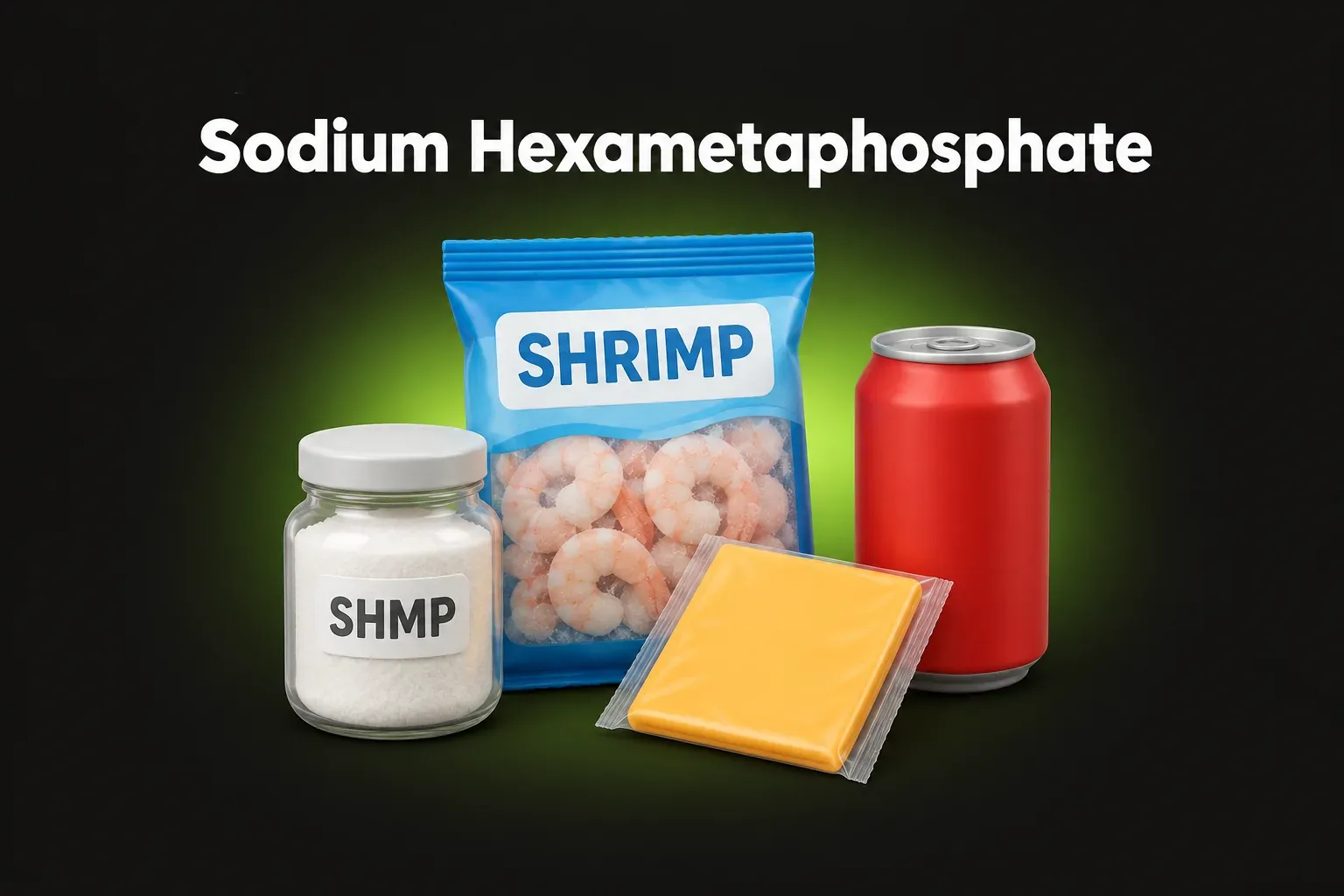
Other phosphate additives include tricalcium phosphate and sodium hexametaphosphate.
The bottom line
Sodium phosphate keeps processed cheese smooth and deli meat juicy. In small amounts, it’s considered safe. But your body takes in almost all of the phosphate from additives. People who eat a lot of processed food can get too much phosphorus. Too much is linked to damaged blood vessels and a higher risk of death. Children often go over the safe limit, and people with kidney disease are most at risk. Natural cheese, fresh meat and home cooking are the easiest ways to get less.
FAQ
What is sodium phosphate in food?
Sodium phosphate is a group of food additives (monosodium, disodium and trisodium phosphate, E339). They're made from phosphoric acid and sodium. They keep processed cheese smooth, help meat hold water and make baked goods rise. They also control how sour a food is, and add phosphorus to some foods.
Is sodium phosphate bad for you?
In small amounts it's considered safe, and your body needs phosphorus. The worry is that your body takes in almost all of the phosphate from additives – much more than from natural phosphorus. So people who eat a lot of processed food can get too much. Too much phosphorus is linked to damaged blood vessels and, in some studies, a higher risk of death. It's especially harmful for people with kidney disease. EFSA found that children often go over the safe daily amount.
Is disodium phosphate the same as trisodium phosphate?
No. They're both sodium phosphates, but they have different amounts of sodium. Disodium phosphate is common in processed cheese, puddings and pasta. Trisodium phosphate is used in cereals and some meats. Both are listed under E339 in the EU.
Isn't trisodium phosphate a cleaning product?
Trisodium phosphate for food is cleaned and used in very small amounts. The cleaning product is a strong version made for industry. The same name doesn't mean you're eating cleaning products. But it's still a phosphate additive worth limiting.
Who should avoid sodium phosphate?
People with long-term kidney disease, because their kidneys can't remove extra phosphate. Older adults and people with heart disease should also limit processed foods high in phosphate additives. Sodium phosphate laxatives (medicines that empty the bowels) can cause serious kidney damage in some people. Only use them if a doctor tells you to.
What is E339?
E339 is the European code for sodium phosphates: monosodium phosphate (E339i), disodium phosphate (E339ii) and trisodium phosphate (E339iii). Related additives include phosphoric acid (E338), potassium and calcium phosphates (E340, E341) and diphosphates and polyphosphates (E450–E452).