Whey Protein Isolate: Benefits, vs Concentrate & Safety
What whey protein isolate is, how it differs from whey concentrate, how much protein and lactose it has, what studies show about muscle, and what to check on the label.
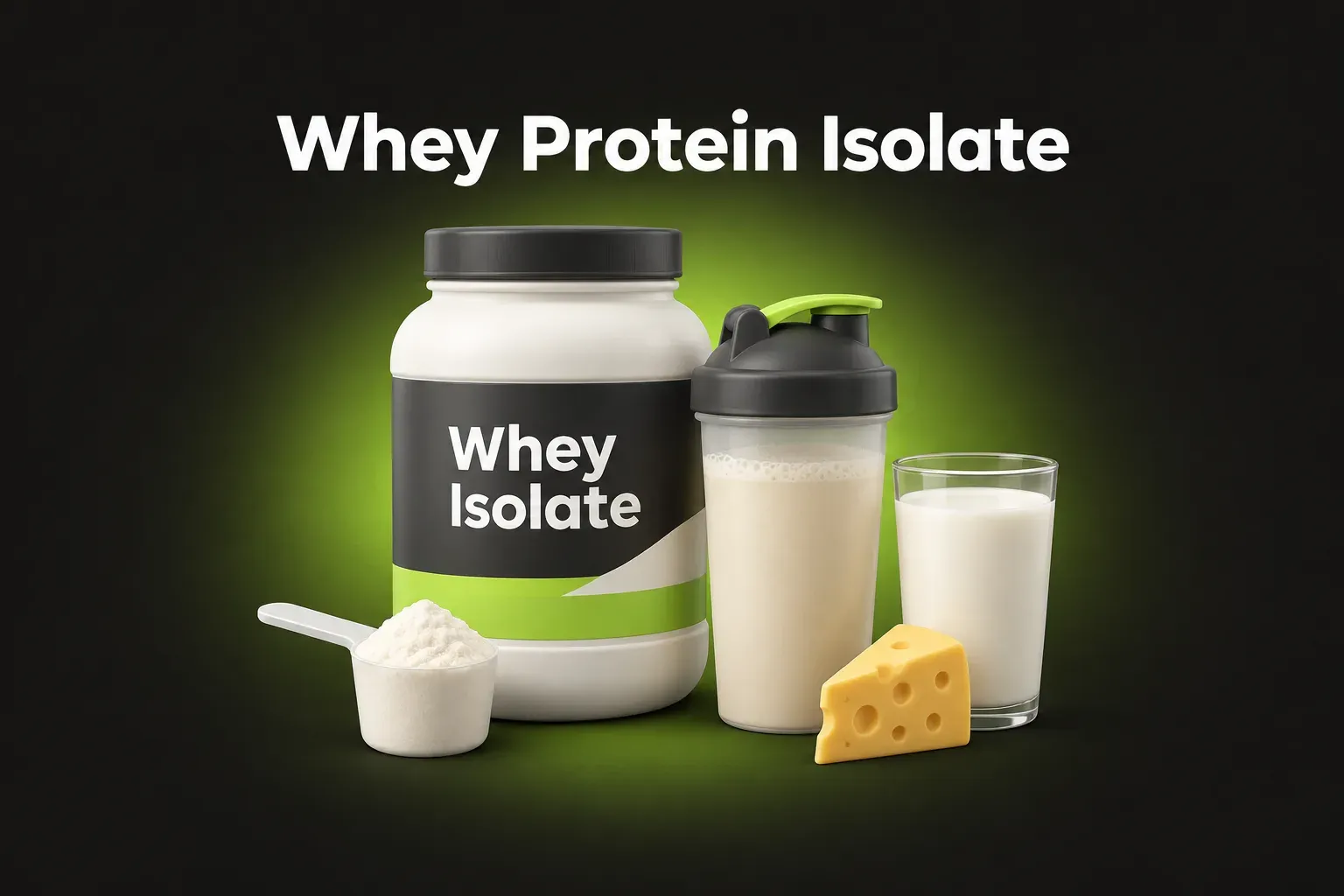
Whey protein isolate is one of the most popular protein powders. People use it when they lift weights, want to lose weight but keep muscle, or find it hard to eat enough protein. But labels are full of words like “isolate”, “concentrate” and “hydrolyzed”. And many powders contain more than just protein.
The short answer: whey protein isolate is at least 90% protein, with very little fat, carbs and lactose. It usually has less than 1 g of lactose per scoop, so it’s a good choice if you’re sensitive to lactose. Together with strength training, protein supplements help you gain more muscle and strength. Things to watch: added sweeteners and additives, and heavy metals. In 2025, Consumer Reports found too much lead in many protein powders, though milk-based ones had the least.
What is whey protein isolate?
Whey is the liquid left over when milk is turned into cheese. Milk protein is about 20% whey and 80% casein. Whey is digested quickly. It’s rich in leucine, a building block of protein that “switches on” muscle building.
To make protein powder, whey is filtered and dried. The more it’s filtered, the purer it gets:
| Whey concentrate | Whey isolate | Whey hydrolysate | |
|---|---|---|---|
| Protein | 70–80% | 90% or more | 80–90% |
| Lactose per scoop | 1–3 g | usually under 1 g | very little |
| Fat | some | very little | very little |
| Digestion | fast | fast | fastest (already partly broken down) |
| Price | lowest | higher | highest |
A typical scoop of isolate (about 30 g) has 25–27 g of protein and 100–120 calories.
Benefits of whey protein
- Muscle and strength: a review of 49 studies with over 1,800 people looked at protein supplements during strength training. People gained more muscle and more strength. The benefit stopped growing above about 1.6 g of protein per kg of body weight per day in total (Morton et al., British Journal of Sports Medicine, 2018).
- Easier to reach your protein target: a shake is a quick way to add 25 g of protein – useful at breakfast, after training or when you’re busy.
- Keeps you full: protein keeps you full longer than carbs or fat. This helps when you’re trying to lose weight. See our protein calculator to find out how much you need.
- Good for older adults, who need more protein to keep their muscles.
Remember: protein powder is handy, but you don’t need it. Chicken, fish, eggs, Greek yogurt, cottage cheese and beans give you the same protein plus more nutrients. See our list of high protein snacks.
What to watch out for
Sweeteners and additives
Most flavored protein powders contain more than whey. Check the label for:
- Sweeteners – sucralose, acesulfame potassium, stevia or allulose
- Thickeners – xanthan gum, guar gum, carboxymethylcellulose
- Natural flavors and emulsifiers like soy lecithin
An unflavored isolate with only whey (and maybe lecithin) is the cleanest choice. You can add your own fruit, cocoa or cinnamon.
Heavy metals
In 2025, Consumer Reports tested 23 protein powders and shakes. More than two-thirds had more lead than its experts think is safe to have every day. Plant-based powders had the most lead – about nine times more on average than milk-based ones. But half of the milk-based products also had too much for daily use. The FDA said it was looking into the results.
What to do: choose products checked by an independent lab (for example, with an NSF Certified for Sport or Informed Choice seal). And don’t make protein shakes your main source of protein every day.
Acne
Some people – mostly young men – get acne after starting whey, and a few small studies found a link. But a careful 2024 study in men with acne found that 30 g of whey a day didn’t clearly make it worse (Sompochpruetikul et al., Journal of Dermatology, 2024). If you get pimples, try taking less or switching to a different protein.
Kidneys and allergies
For healthy kidneys, normal amounts of protein are safe. If you have kidney disease, talk to your doctor before adding protein supplements. Whey is a milk protein, so it’s not OK for people with a milk allergy (not being able to digest lactose is a different thing).
How much whey protein to take
- One scoop (20–30 g of protein) after training or with a meal is enough for most people.
- Aim for about 1.2–1.6 g of protein per kg of body weight per day in total if you train or want to lose fat while keeping muscle – counting food and shakes together.
- More isn’t better: above that, extra protein doesn’t build more muscle.
How to choose a good whey isolate
- Short ingredient list – ideally whey protein isolate, maybe lecithin and natural cocoa or vanilla.
- At least 22–25 g of protein per 30 g scoop.
- Checked by an independent lab for banned substances and heavy metals.
- No or few sweeteners – or choose unflavored and sweeten it yourself.
- Lactose-free if you’re very sensitive.
Check any protein powder in seconds. With NutriSmart, you photograph the label or scan the barcode and the app highlights sweeteners, thickeners and other additives, explains each one and gives the product a health score out of 100. It also counts the protein from your shakes and meals toward your daily target.Get the app free
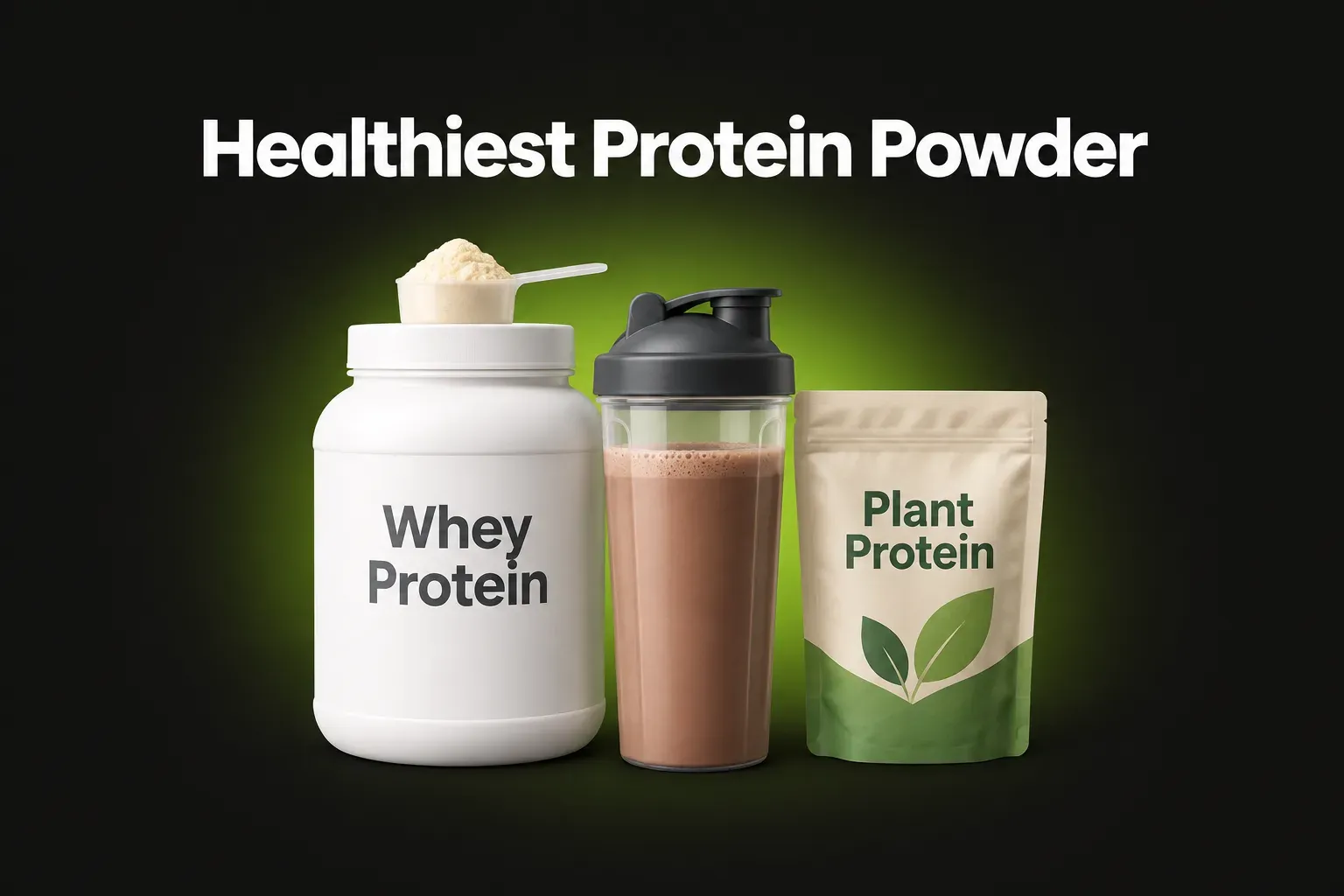
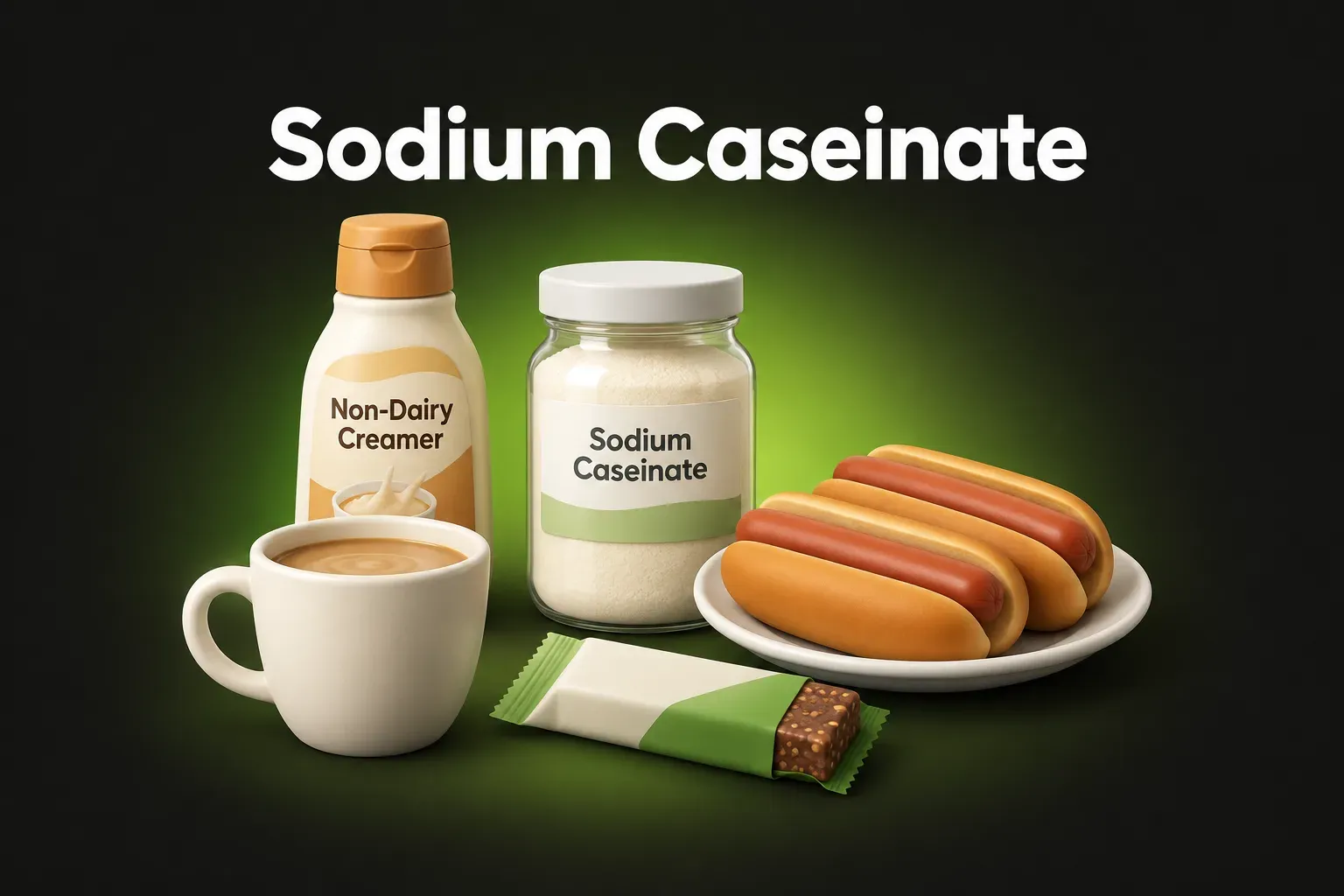
You can also read about sodium caseinate, the other milk protein used in processed foods, and how to pick the healthiest protein powder.
To reach your protein goal with food only, see our high protein meal plan.
The bottom line
Whey protein isolate is a pure protein that digests fast and has very little lactose. It’s an easy way to reach your protein target. With strength training, it helps build more muscle and strength. Choose a product with a short ingredient list that’s checked by an independent lab. Watch out for added sweeteners and additives. And use shakes to add to real food, not replace it.
FAQ
What is whey protein isolate?
Whey protein isolate is a protein powder made from whey, the liquid left over when milk is turned into cheese. It's filtered until it's at least 90% protein, so it has very little fat, carbs and lactose. A typical scoop has about 25 g of protein and 100–120 calories.
What is the difference between whey isolate and whey concentrate?
Whey concentrate usually has 70–80% protein and still has some fat and lactose. Whey isolate is filtered more, to at least 90% protein. It usually has less than 1 g of lactose per serving. Isolate is better if you're sensitive to lactose or want the fewest calories. Concentrate is cheaper and works just as well for building muscle.
Is whey protein isolate good for lactose intolerance?
Often, yes. Most whey isolates have less than 1 g of lactose per scoop. Many people who can't digest lactose well are fine with that. If you're very sensitive, choose a lactose-free isolate or start with half a scoop. Whey is still a milk protein, so it's not OK if you're allergic to milk.
Does whey protein help build muscle?
Yes, together with strength training. A review of 49 studies found that protein supplements helped people gain more muscle and strength. The benefit grew up to about 1.6 g of protein per kg of body weight per day in total. Above that, extra protein didn't help more.
Is whey protein isolate safe?
For healthy adults, yes, in normal amounts. Watch out for added sweeteners and additives. And choose products checked by an independent lab. In 2025, Consumer Reports found too much lead in many protein powders, though milk-based ones had the least. People with kidney disease should talk to their doctor first.
Does whey protein cause acne?
Some people, mostly young men, get acne after starting whey protein, and a few small studies found a link. But a careful 2024 study in men with acne found that 30 g of whey a day didn't clearly make it worse. If you get pimples, try taking less or switching to another protein.