Healthiest Yogurt: Greek, Skyr or Regular? 8 Types Ranked
How to pick the healthiest yogurt: added sugar limits, Greek vs skyr vs regular, full fat or nonfat, plant-based yogurts and additives to skip – 8 types ranked.

Yogurt has a healthy image – protein, calcium, probiotics. But the yogurt aisle also has cups with as much sugar as a can of soda, plus colors, starches and flavors. A survey of more than 900 yogurts in UK supermarkets found that only plain and Greek yogurts were consistently low in sugar (Moore et al., BMJ Open, 2018). Here’s how to pick the healthiest one.
The short answer: the healthiest yogurt is plain, unsweetened yogurt with live cultures. Plain Greek yogurt and plain skyr are the best picks: about 15–18 g of protein per cup and no added sugar. Look for 0 g of added sugar and a short ingredient list – milk and cultures. Full-fat or nonfat is your choice. Add your own fruit instead of buying fruit yogurt.
How to pick a healthy yogurt: 5 checks
| Check | Aim for | Why |
|---|---|---|
| Added sugar | 0 g (max 2.5 g) | Flavored yogurts often have 10–16 g |
| Protein | 10 g or more per cup | Keeps you full longer |
| Ingredients | Milk and cultures | No starches, gelatin or colors needed |
| Live cultures | “Live and active cultures” | The bacteria that make yogurt special |
| Plant‑based? | Unsweetened, with calcium | Many have little protein |
Total sugar vs added sugar: plain yogurt always shows some sugar – 4–12 g per cup – from lactose, the natural sugar in milk. That’s fine. What matters is the “Added sugars” line. In 2024, the US Food and Drug Administration set a limit of 2.5 g of added sugar per serving for dairy foods that want to use the word “healthy” (FDA). Most flavored yogurts don’t pass.
Yogurt types ranked
Typical numbers per 170 g cup (6 oz), skyr per 150 g. Brands differ – check the label.
| Yogurt | Calories | Protein | Added sugar | Verdict |
|---|---|---|---|---|
| Plain Greek, nonfat | 100 | 17 g | 0 g | Best choice |
| Plain skyr | 90–100 | 15–17 g | 0 g | Best choice |
| Plain Greek, whole milk | 160–190 | 15–16 g | 0 g | Great; creamier, more calories |
| Plain regular yogurt | 100–150 | 6–9 g | 0 g | Good; less protein |
| Flavored Greek | 120–150 | 12–15 g | 5–10 g | OK sometimes |
| “Light” with sweeteners | 80–100 | 5–12 g | 0 g | Low sugar, but sweeteners and additives |
| Fruit and flavored regular | 140–170 | 5–7 g | 10–16 g | A dessert |
| Coconut, almond or oat | 120–180 | 1–3 g | 0–12 g | Little protein; choose unsweetened |
In the 2018 survey, fruit yogurts had a median of almost 12 g of sugar per 100 g, and children’s yogurts almost 11 g. Plain and Greek yogurts had about 5 g, mostly lactose. Fewer than 9% of all yogurts were low enough in sugar to count as “low sugar” (Moore et al., BMJ Open, 2018).
Greek yogurt vs skyr vs regular yogurt
- Regular yogurt is milk fermented by bacteria. It’s thinner and has about 5–9 g of protein per cup.
- Greek yogurt is strained to remove the liquid whey. It’s thicker, with about twice the protein and less lactose.
- Skyr is an Icelandic dairy food made in a similar way. It’s usually nonfat, very thick and very high in protein.
For most people, plain Greek yogurt or skyr is the best everyday choice. They keep you full, fit almost any diet and work in both sweet and savory dishes.
Why yogurt can be good for you
Live cultures. Yogurt is made by bacteria that turn lactose into lactic acid. Many yogurts still contain these live bacteria when you eat them. Look for “live and active cultures” on the label. Some yogurts are heat-treated after fermentation, which kills the bacteria.
Easier for lactose intolerance. The bacteria break down part of the lactose, so many people with lactose intolerance can eat yogurt – especially Greek yogurt – without problems.
Lower risk of type 2 diabetes. A study of three large US groups, plus a review of other studies, found that people who ate one serving of yogurt a day had an 18% lower risk of type 2 diabetes (Chen et al., BMC Medicine, 2014). These studies show a link, not proof. In 2024, the FDA allowed yogurt makers to say that eating at least 2 cups of yogurt a week may reduce the risk of type 2 diabetes – while noting that the evidence is limited.
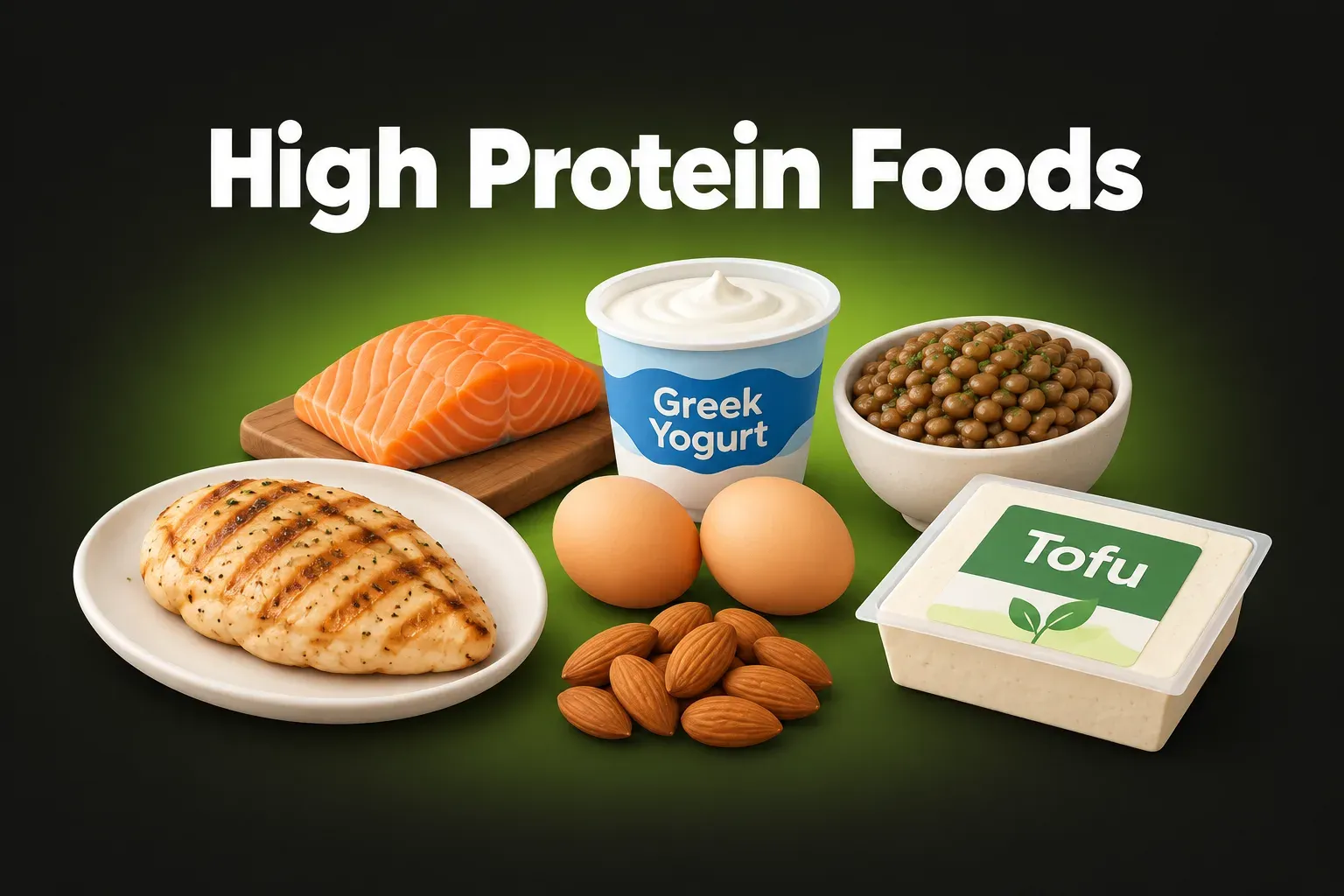
Protein and calcium. A cup of plain Greek yogurt has about 17 g of protein and 15–20% of your daily calcium. See more high-protein foods.
Additives to watch for in yogurt
Plain yogurt needs only milk and cultures. Flavored, “light” and kids’ yogurts often add:
- Thickeners – modified food starch, gelatin, pectin or carrageenan, used to make thin yogurt look thick.
- Colors – carmine (made from insects) in pink and red yogurts.
- Sweeteners – sucralose, acesulfame K or aspartame in “light” yogurts.
- Natural flavors and “fruit preparations” that are mostly sugar.
Full-fat or nonfat?
Both can be healthy, as long as they’re plain. Nonfat has the fewest calories and the most protein per calorie – good if you’re counting calories. Full-fat is creamier and may keep you full longer, but has about 60–90 more calories per cup. The yogurt to avoid is low-fat yogurt with lots of added sugar: makers often add sugar to make up for the missing fat.
Plant-based yogurts
Coconut, almond and oat yogurts are often low in protein – 1–3 g per cup – and many add sugar, starches and gums. Soy and pea yogurts have more protein, closer to regular yogurt. If you eat plant-based, choose unsweetened versions with added calcium, and check the protein.
How to make plain yogurt taste good
- Add fresh or frozen berries – they’re naturally sweet.
- Add a sliced banana or a little cinnamon.
- Add a small handful of nuts or seeds for crunch.
- Mix half plain, half flavored at first, then slowly use less flavored.
- Use it savory – with cucumber, garlic and herbs as a dip, or instead of sour cream.
For more ideas, see our healthy breakfast ideas and high-protein snacks.
Compare yogurts in seconds. With NutriSmart, you photograph the label or scan the barcode. The app shows the added sugar and protein, flags thickeners, colors and sweeteners, explains each one and gives the yogurt a health score out of 100.Get the app free
The bottom line
The healthiest yogurt is plain, unsweetened and made from milk and live cultures. Plain Greek yogurt and skyr are the best picks, with about twice the protein of regular yogurt. Look for 0 g of added sugar – the lactose in plain yogurt is fine. Skip fruit and kids’ yogurts with 10–16 g of added sugar, and “light” yogurts full of sweeteners and thickeners. Add your own fruit instead.
FAQ
What is the healthiest yogurt?
Plain, unsweetened yogurt with live cultures. Plain Greek yogurt and plain skyr are the top picks, because they have about twice the protein of regular yogurt and no added sugar. Add your own fruit for sweetness.
Is Greek yogurt the healthiest yogurt?
Plain Greek yogurt is one of the healthiest. It's strained, so it has about 15–18 g of protein per 170 g cup and less lactose than regular yogurt. Flavored Greek yogurts often add 5–10 g of sugar, so choose plain.
How much sugar should a healthy yogurt have?
Ideally 0 g of added sugar. Plain yogurt still shows 4–12 g of total sugar from lactose, the natural sugar in milk – that's fine. In 2024, the FDA set a limit of 2.5 g of added sugar per serving for dairy foods labeled healthy.
Is full-fat or nonfat yogurt healthier?
Both can be healthy if they're plain. Nonfat has fewer calories; full-fat is creamier and more filling. Avoid low-fat yogurts with lots of added sugar – they're the least healthy choice.
Is skyr healthier than Greek yogurt?
They're very similar. Skyr is an Icelandic strained dairy food that's usually nonfat and very high in protein – about 15–17 g per 150 g. Plain skyr and plain Greek yogurt are both excellent choices.
Are plant-based yogurts healthy?
Some are. Many coconut, almond and oat yogurts have little protein, added sugar and starches or gums. Soy and pea yogurts have more protein. Choose unsweetened ones with added calcium.
Is yogurt good for weight loss?
Plain Greek yogurt and skyr are great for weight loss: high in protein, filling and low in calories. Sweetened yogurts with 20 g of sugar per cup are closer to a dessert.