Calories in Rice: Per Cup, Cooked vs Uncooked
How many calories are in a cup of white or brown rice, cooked vs uncooked and per 100 g, plus fried rice and sushi rice, and how to eat rice when losing weight.
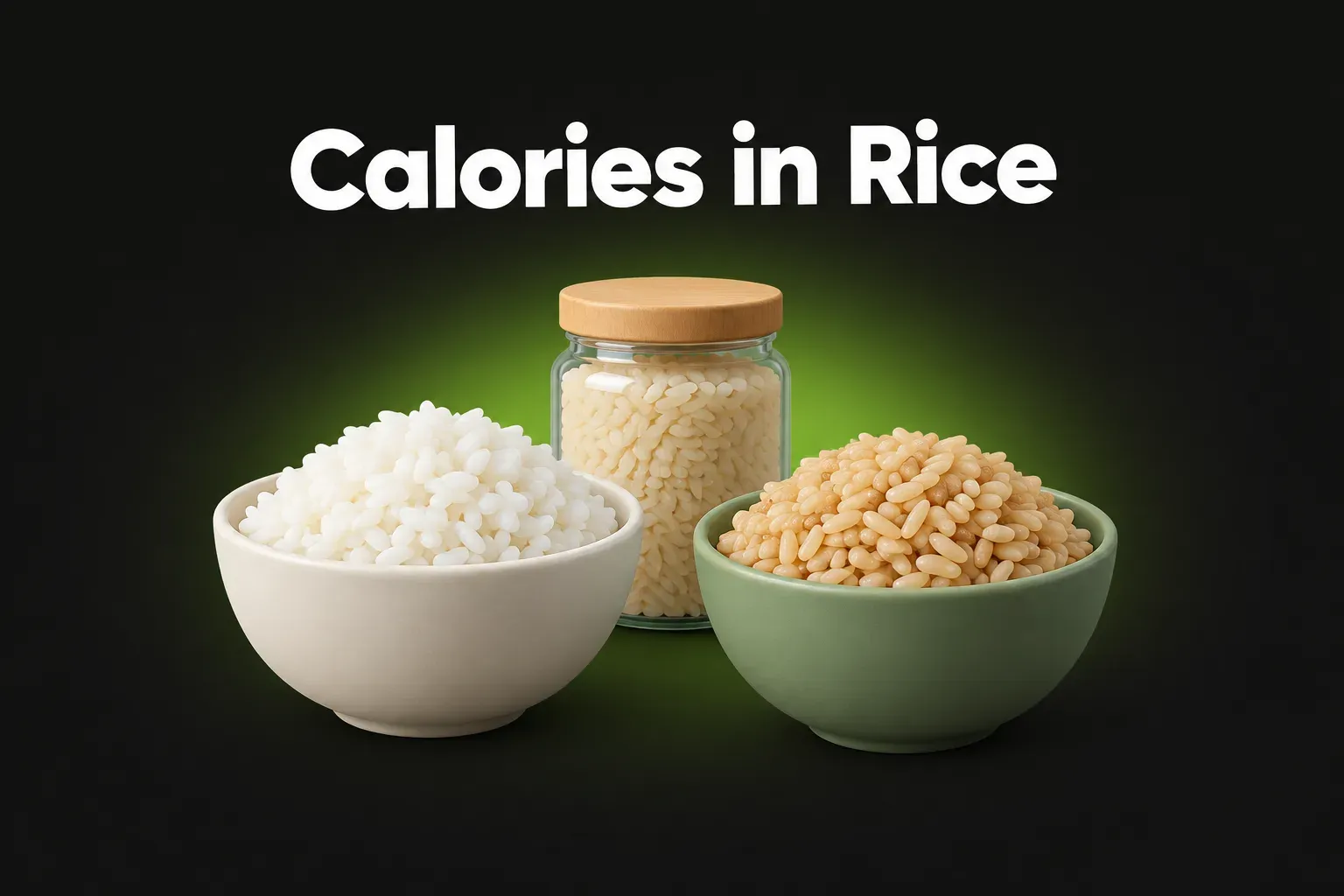
Rice is the main food for more than half the world, and a staple in countless dishes – from stir-fries and burritos to sushi and curries. If you’re counting calories, though, rice can be confusing: is a cup cooked or dry, white or brown, and how much should you eat?
The short answer: a cup of cooked white rice (158 g) has about 205 calories, and 100 g of cooked white rice has about 130 calories. Brown rice has about the same calories but more fiber. Dry rice has about 365 calories per 100 g, because it hasn’t soaked up water yet. Rice itself is almost fat-free – the calories rise with oil, butter and sauces, as in fried rice.
Calories in rice by portion
Values for long-grain rice, from the US Department of Agriculture (USDA FoodData Central):
| Portion | White rice | Brown rice |
|---|---|---|
| ½ cup cooked | 103 kcal | 124 kcal |
| 1 cup cooked | 205 kcal | 248 kcal |
| 100 g cooked | 130 kcal | 123 kcal |
| ¼ cup dry (45 g) | 165 kcal | 165 kcal |
| 100 g dry | 365 kcal | 367 kcal |
A cup of brown rice has more calories than a cup of white rice only because it weighs more (202 g vs 158 g). Per 100 g, they’re almost the same.
Cooked vs uncooked rice
This is where many people get the numbers wrong. Rice triples in weight when it cooks, because it absorbs water:
- 100 g of dry rice becomes about 280–300 g of cooked rice.
- So 100 g dry (365 kcal) and 100 g cooked (130 kcal) are very different amounts.
- ¼ cup of dry rice (45 g, about 165 calories) makes roughly ¾ cup cooked.
Tip: weighing rice dry is the most accurate, because cooked rice can hold more or less water depending on how you cook it. If you log it cooked, make sure you use the “cooked” value.
Calories in different types of rice
| Rice (100 g cooked) | Calories | Fiber |
|---|---|---|
| White, long-grain | 130 kcal | 0.4 g |
| Brown, long-grain | 123 kcal | 1.6 g |
| Basmati or jasmine | about 120–130 kcal | about 0.4–0.7 g |
| Wild rice | about 100 kcal | about 1.8 g |
| Sushi rice (with vinegar and sugar) | about 150 kcal | about 0.3 g |
| Fried rice (restaurant) | about 160–180 kcal | about 1 g |
| Rice pudding | about 120–150 kcal | about 0.2 g |
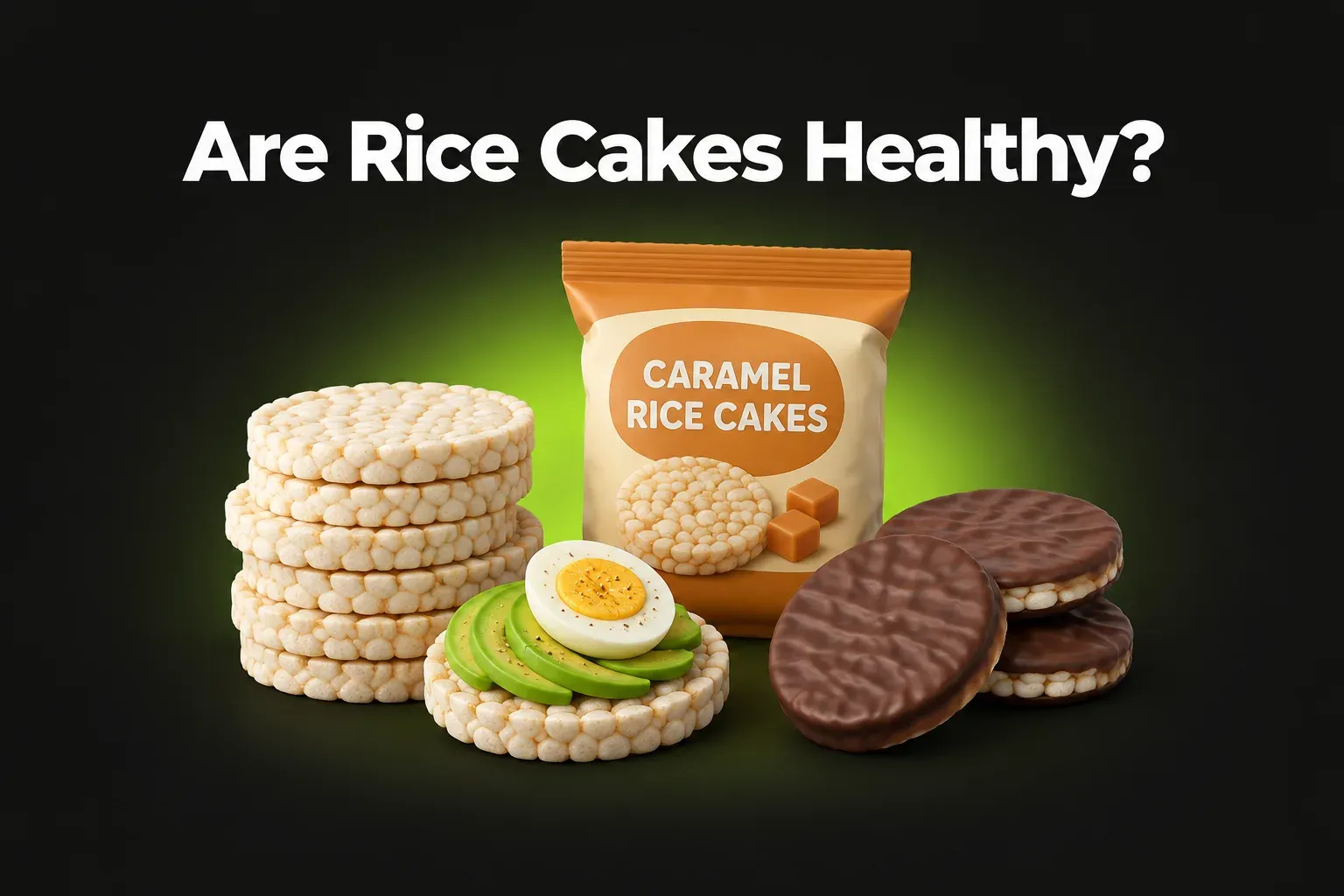
Most plain rice types are in the same range of 120–130 calories per 100 g cooked. Wild rice – technically a grass seed – has a bit fewer calories and more protein. Fried rice and sushi rice have more because of the added oil or sugar. If you snack on rice cakes, see our article are rice cakes healthy?
Rice nutrition facts
| Nutrient | White rice, 1 cup (158 g) | Brown rice, 1 cup (202 g) |
|---|---|---|
| Calories | 205 kcal | 248 kcal |
| Carbohydrates | 44.5 g | 51.7 g |
| Fiber | 0.6 g | 3.2 g |
| Protein | 4.3 g | 5.5 g |
| Fat | 0.4 g | 2.0 g |
| Magnesium | 19 mg | 79 mg |
| Potassium | 55 mg | 174 mg |
Rice is mostly carbohydrate with a little protein and almost no fat. Brown rice keeps the bran, so it has about five times more fiber per cup, plus more magnesium and potassium. Read more about high fiber foods.
Is rice bad for weight loss?
No – but portions matter. Plain rice is low in fat and fits into any diet. The trouble is that it’s easy to eat a lot: a takeout container can hold 2–3 cups (400–600 calories) of rice alone, before the curry or stir-fry.
A sensible portion for most adults is about ½ to 1 cup of cooked rice per meal (about 100–200 calories), with plenty of vegetables and a good protein source. Read more about the calorie deficit and find your number with our calorie calculator.
Rice and blood sugar
White rice has a high glycemic index (often 70 or more), which means it raises blood sugar quickly. Brown rice and basmati are usually lower. A few things help:
- Eat rice with protein, vegetables and some fat – not on its own.
- Choose brown, basmati or parboiled rice more often.
- Cook, cool and reheat it: in a small study, white rice that was cooled in the fridge for 24 hours and then reheated had more than twice as much resistant starch and raised blood sugar less than freshly cooked rice (Sonia et al., Asia Pacific Journal of Clinical Nutrition, 2015).
Food safety: cooked rice can grow bacteria if it sits warm. Cool leftovers quickly, keep them in the fridge, eat them within a day and reheat until steaming hot. Read more about low glycemic index foods.
How to eat rice when you’re losing weight
- Measure your portion – ½ to 1 cup cooked, or ¼ to ½ cup dry.
- Fill half the plate with vegetables, a quarter with protein, a quarter with rice.
- Choose brown, basmati or wild rice more often for more fiber.
- Watch fried rice, risotto and creamy sauces – they add a lot of calories.
- Try mixing rice with cauliflower rice to get a bigger plate for fewer calories.
Count the calories in your rice without guesswork. With NutriSmart, you snap a photo of what you eat, and the app counts your calories, protein, carbs and fat and shows how much you have left for the day. In the food library, you can also see the glycemic index of each food.Get the app free
For meal ideas with rice, see our high protein dinner recipes and our healthy dinner ideas. You can also read how many calories are in sushi.
The bottom line
A cup of cooked white rice has about 205 calories, and 100 g of cooked rice about 130. Brown rice has almost the same calories but much more fiber. Dry rice has about 365 calories per 100 g because it hasn’t absorbed water yet – so always log the version you weighed. Rice fits into weight loss when you keep the portion moderate and eat it with vegetables and protein.
FAQ
How many calories are in a cup of cooked rice?
A cup of cooked long-grain white rice (158 g) has about 205 calories. A cup of cooked brown rice (202 g) has about 248 calories, because a cup of brown rice weighs more.
How many calories are in 100 g of rice?
Cooked white rice has about 130 calories per 100 g, and cooked brown rice about 123. Uncooked (dry) white rice has about 365 calories per 100 g – almost three times as much, because it hasn't absorbed water yet.
Should I count rice cooked or uncooked?
Either works, as long as you use the matching number. Dry rice is more accurate, because cooked rice can hold more or less water. Roughly, 1/4 cup (45 g) of dry rice makes about 3/4 cup cooked and has about 165 calories.
Is brown rice better than white rice for weight loss?
The calories are almost the same. Brown rice has about four times as much fiber, a bit more magnesium and a lower glycemic index, so it may keep you full slightly longer. The portion size matters much more than the color.
How many calories are in fried rice?
Restaurant fried rice has about 160–180 calories per 100 g, so a typical takeout portion (2 cups, about 300 g) has around 500 calories or more – about twice as much as the same amount of plain rice.
Does cooling rice reduce calories?
Not really, but it changes the starch. In one small study, white rice that was cooked, cooled in the fridge for 24 hours and reheated had more resistant starch and raised blood sugar less than fresh rice. Cool it quickly and keep it in the fridge for food safety.