Low FODMAP Diet: Food List, 3 Steps and a Sample Day
What the low FODMAP diet is, who it's for, high and low FODMAP food lists, the 3 steps from Monash University, a sample day and mistakes to avoid.
If you have irritable bowel syndrome (IBS), your doctor may have mentioned the low FODMAP diet. It sounds complicated, but the idea is simple: for a few weeks you avoid certain carbs that are hard for some guts to handle, then you add them back one by one to find out which ones cause your symptoms.
The short answer: the low FODMAP diet is a short-term diet for IBS, developed at Monash University in Australia. FODMAPs are sugars and fibers found in foods like onion, garlic, wheat, beans, milk, apples, honey and some sugar-free sweeteners. You cut them for 2–6 weeks, then reintroduce them one group at a time, then keep only the limits you really need. About 3 in 4 people with IBS get relief. It’s not a weight-loss diet and not meant for life – and it’s best done with a dietitian.
Before you start: get a diagnosis first. Bloating and tummy pain can also come from celiac disease, inflammatory bowel disease and other conditions. Your doctor may want to test for celiac disease before you cut out wheat. See a doctor quickly if you have weight loss, blood in your stool, fever, or symptoms that wake you at night.
What are FODMAPs?
FODMAP stands for Fermentable Oligosaccharides, Disaccharides, Monosaccharides And Polyols. They’re short-chain carbs that some people don’t absorb well in the small intestine. They pull water into the gut. Then gut bacteria break them down (ferment them), which makes gas. In people with a sensitive gut, that means bloating, pain, wind, diarrhea or constipation.
| FODMAP group | Found in |
|---|---|
| Fructans | Wheat, rye, barley, onion, garlic, some vegetables |
| GOS | Beans, lentils, chickpeas |
| Lactose | Milk, yogurt, soft cheese, ice cream |
| Excess fructose | Apples, pears, mango, watermelon, honey, high fructose corn syrup |
| Polyols | Apples, pears, stone fruit, mushrooms, cauliflower, sorbitol, mannitol, xylitol |
You won’t react to every group. That’s the whole point of the reintroduction step.
Does it work?
- Monash University, which developed the diet, says about 3 in 4 people with IBS feel better on it (Monash University).
- In a controlled study, people with IBS had much milder symptoms on a low FODMAP diet than on a typical diet (Halmos et al., Gastroenterology, 2014).
- The American College of Gastroenterology recommends a limited trial of the low FODMAP diet for people with IBS (Lacy et al., American Journal of Gastroenterology, 2021).
IBS is common: about 4% of adults worldwide meet the strict medical definition (Sperber et al., Gastroenterology, 2021), and many more have milder gut symptoms.
The 3 steps of the low FODMAP diet
| Step | How long | What you do |
|---|---|---|
| 1. Low FODMAP | 2–6 weeks | Swap high FODMAP foods for low FODMAP ones. If your symptoms don’t improve, stop and talk to your doctor about other treatments. |
| 2. Reintroduction | About 6–8 weeks | Test one FODMAP group at a time, for a few days each, while staying low FODMAP otherwise. Note how you feel. |
| 3. Personalization | Long term | Eat everything you tolerate. Limit only the foods and amounts that really trigger you. |
Source: Monash University, the 3 steps of the low FODMAP diet.
Low FODMAP food list
| Group | Low FODMAP (okay in normal portions) | High FODMAP (limit in step 1) |
|---|---|---|
| Vegetables | Carrots, zucchini, cucumber, spinach, potatoes, tomatoes, red bell pepper, eggplant, lettuce, green beans, green onion tops | Onion, garlic, cauliflower, mushrooms, asparagus, leeks (white part) |
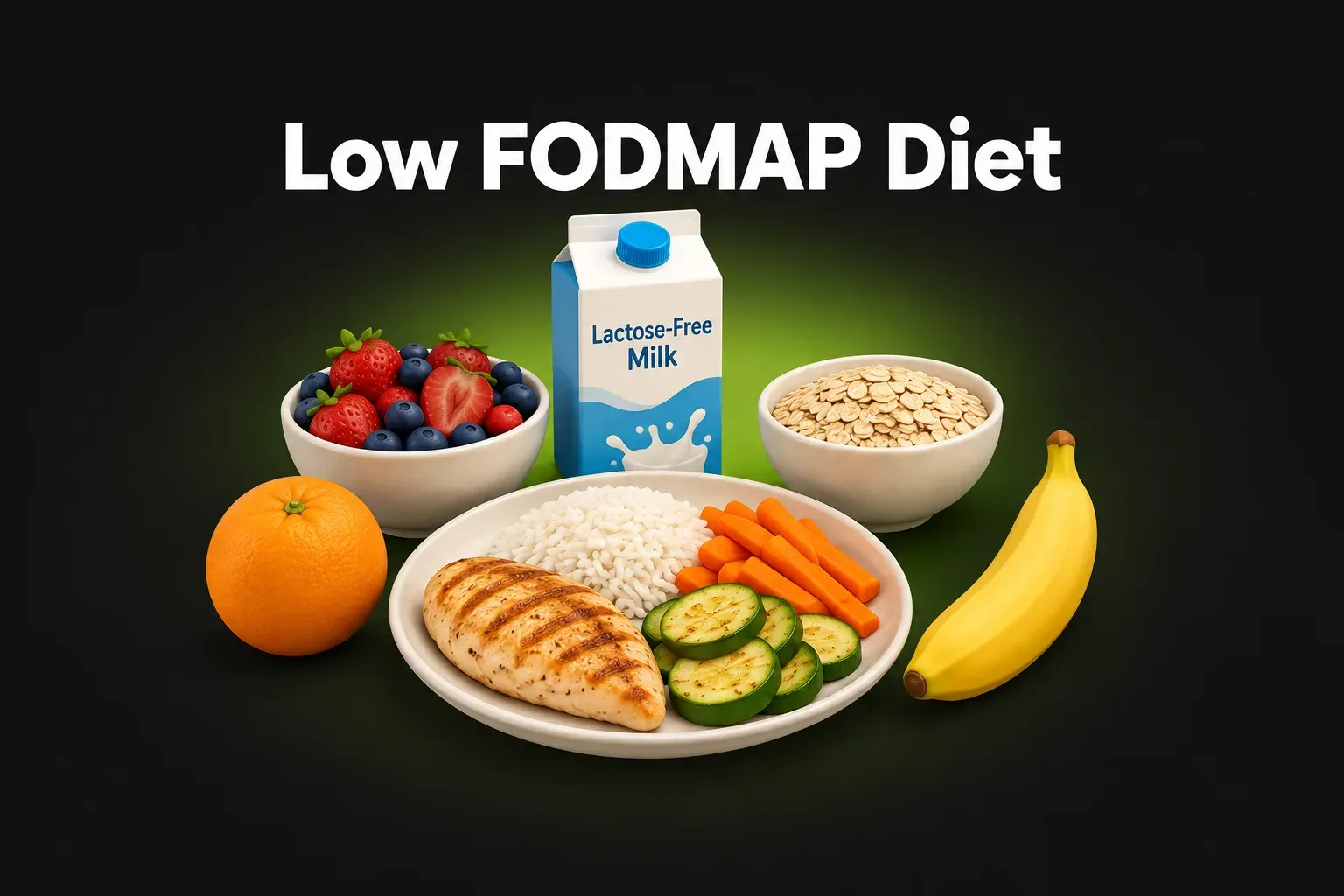
| Fruit | Oranges, kiwi, strawberries, blueberries, grapes, pineapple, firm bananas | Apples, pears, mango, watermelon, cherries, dried fruit |
| Grains | Rice, oats, quinoa, potatoes, corn tortillas, gluten-free bread, spelt sourdough | Wheat, rye and barley bread, pasta and cereals in larger amounts |
| Protein | Meat, chicken, fish, eggs, firm tofu, tempeh | Beans, lentils and chickpeas in larger portions, processed meats with onion or garlic |
| Dairy | Lactose-free milk and yogurt, hard cheeses (cheddar, parmesan), feta | Regular milk, yogurt, soft cheeses, ice cream |
| Nuts and seeds | Peanuts, walnuts, macadamias, pumpkin seeds, chia | Cashews, pistachios |
| Sweeteners | Table sugar, maple syrup (small amounts) | Honey, agave, high fructose corn syrup, sorbitol, mannitol, xylitol |
Portion size matters. Many foods are low FODMAP in a small portion and high in a large one. The list above is a guide. For exact serving sizes, Monash University has a paid app with lab-tested foods.
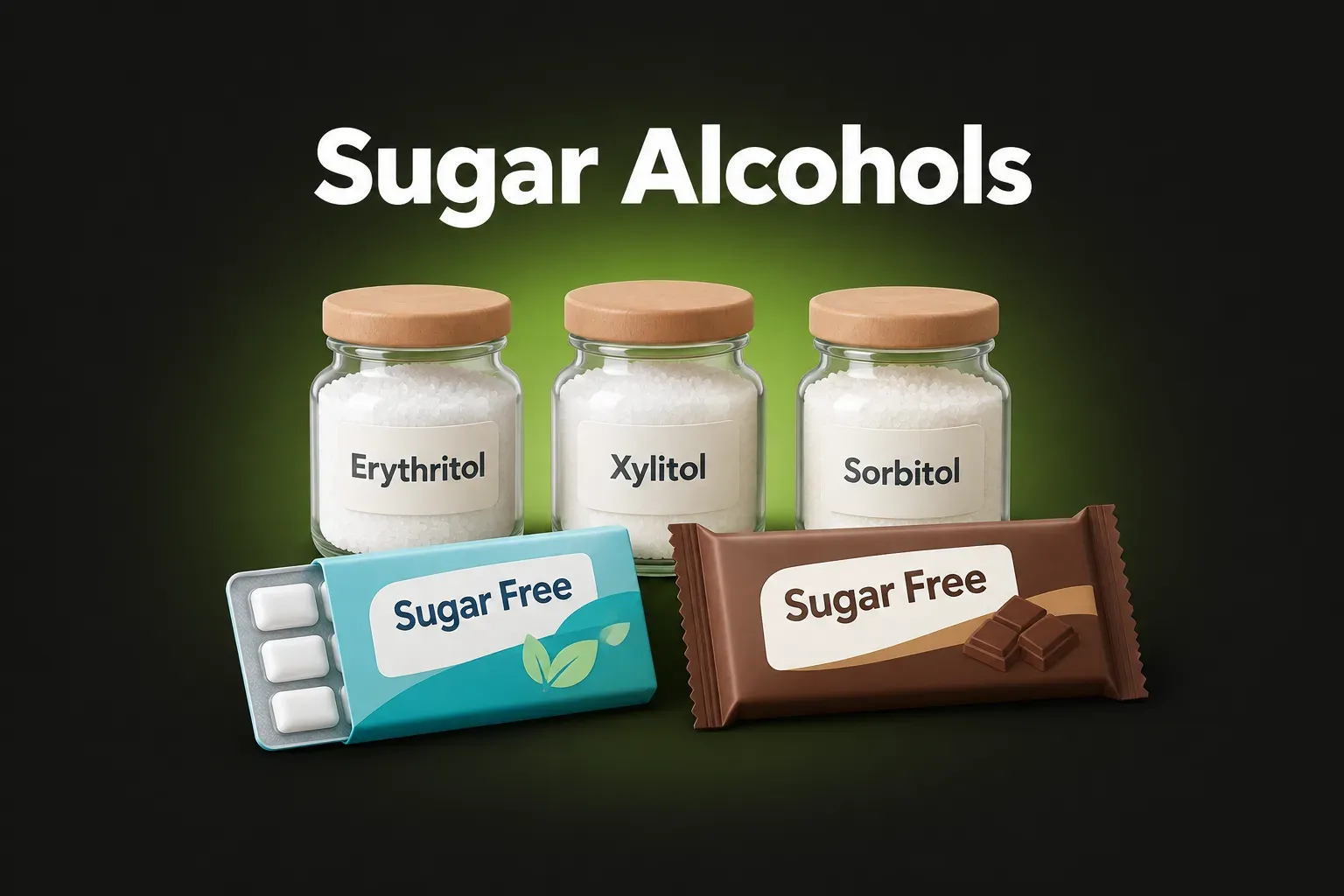
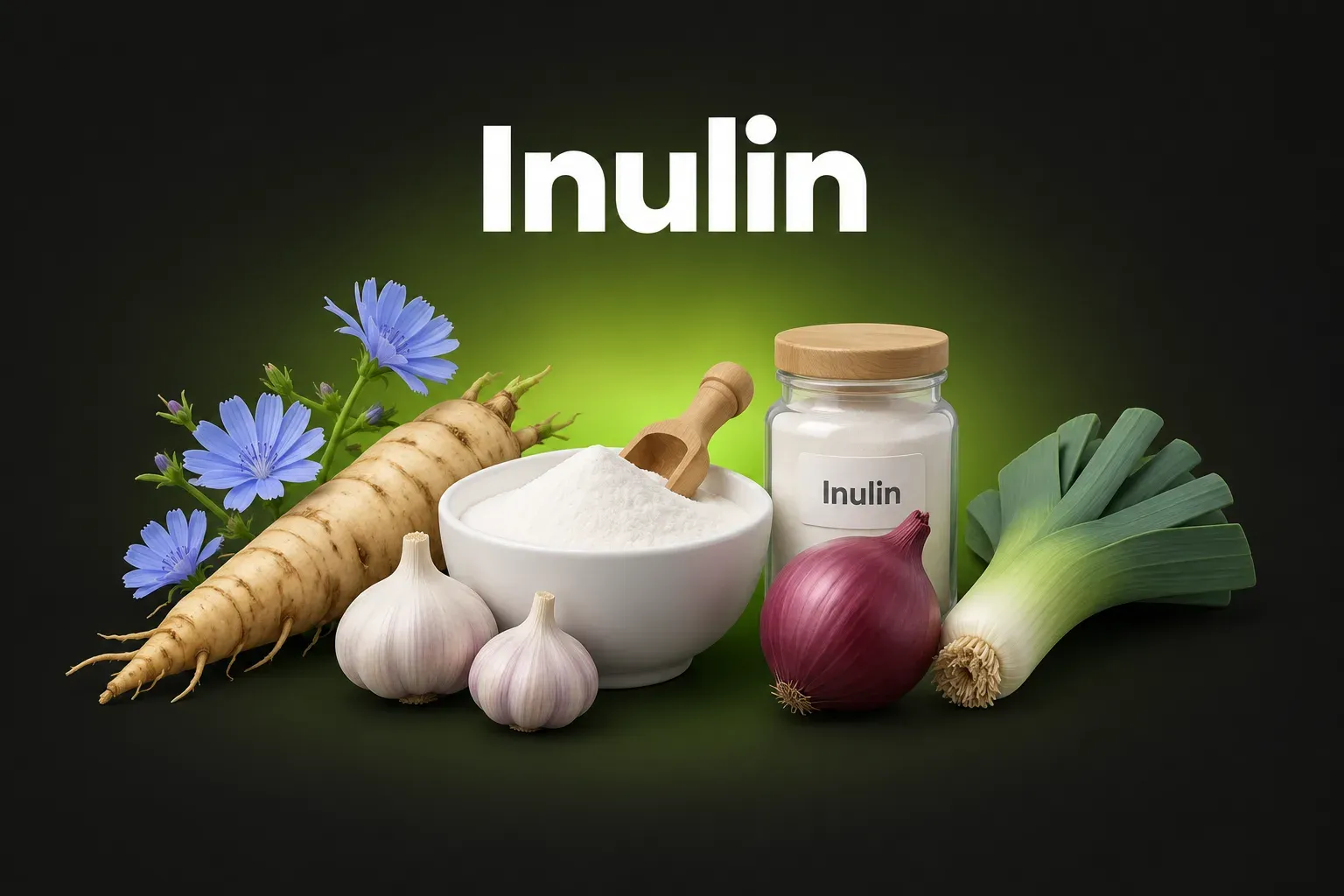
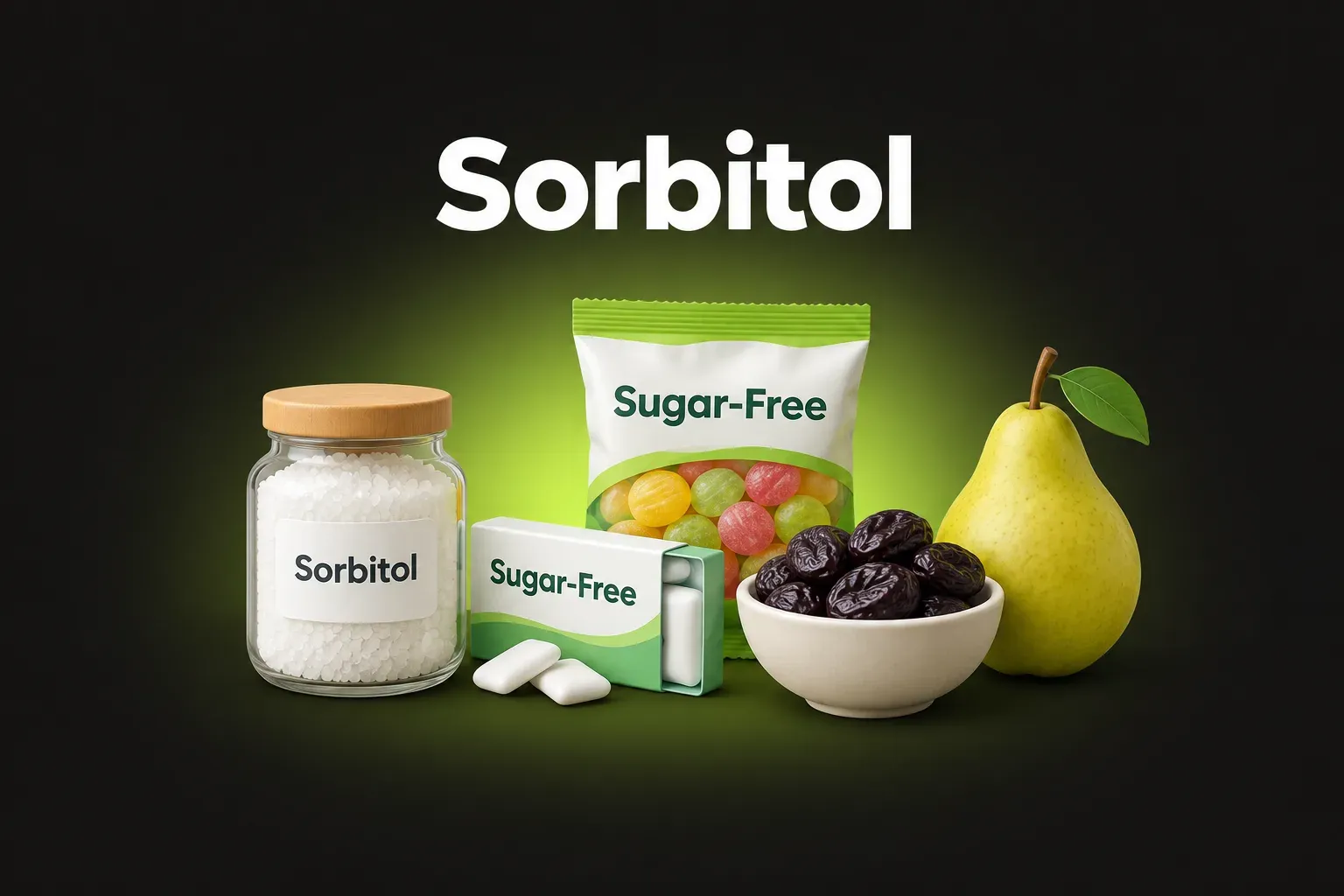
Check labels. FODMAPs hide in packaged food: onion and garlic powder in sauces, soups and spice mixes, inulin and chicory root fiber in “high fiber” products, and sorbitol, mannitol and xylitol in sugar-free gum and candy. Read more about inulin, sorbitol, xylitol and agave syrup.
A sample low FODMAP day
| Meal | What to eat |
|---|---|
| Breakfast | Oatmeal made with lactose-free milk, strawberries, a firm banana and 1 tbsp walnuts |
| Lunch | Rice bowl with grilled chicken, carrots, cucumber, spinach, tomatoes, feta and olive oil + lemon |
| Snack | Lactose-free yogurt with blueberries, or an orange and a few peanuts |
| Dinner | Baked salmon with potatoes and green beans, cooked in garlic-infused oil with chives |
Cooking tip: use garlic-infused oil instead of garlic. FODMAPs don’t dissolve in oil, so you get the taste without the trigger. Green onion tops, chives, ginger and fresh herbs add flavor too.
Mistakes to avoid
- Staying on step 1 for months. Many high FODMAP foods – beans, onions, wheat, apples – are healthy and feed good gut bacteria. Long, strict restriction isn’t the goal.
- Skipping reintroduction. Most people react to only one or two groups. Without testing, you avoid far more foods than you need to.
- Doing it without a diagnosis. Rule out celiac disease and other conditions first.
- Eating too little fiber. Use oats, rice, quinoa, potatoes, firm tofu, chia, kiwi and low FODMAP vegetables. See our list of high-fiber foods.
- Going it alone. A registered dietitian trained in FODMAPs makes the diet easier and keeps it balanced.
Keep a food diary for your low FODMAP diet. With NutriSmart, you snap a photo of what you eat, and the app logs the food with its calories, protein, carbs, fat and fiber. On days you feel bad, you can look back and see exactly what you ate – handy when you reintroduce FODMAP groups and talk to your dietitian.Get the app free
The bottom line
The low FODMAP diet is a short-term tool for IBS, not a lifelong diet or a weight-loss plan. You cut high FODMAP foods like onion, garlic, wheat, beans, milk, apples and some sweeteners for 2–6 weeks, then add them back one group at a time and keep only the limits you need. About 3 in 4 people with IBS get relief. Get a diagnosis first, read labels for hidden onion, garlic and polyols, and work with a dietitian if you can.
FAQ
What is the low FODMAP diet?
It's a diet for people with irritable bowel syndrome (IBS). For a few weeks you cut down on FODMAPs – sugars and fibers that some guts absorb poorly, which can cause gas, bloating, pain and diarrhea. Then you add them back one group at a time to find your triggers.
What does FODMAP stand for?
Fermentable Oligosaccharides, Disaccharides, Monosaccharides And Polyols. In plain words: fructans and GOS (in wheat, onion, garlic, beans), lactose (in milk), excess fructose (in apples, honey) and polyols like sorbitol and mannitol (in some fruits, mushrooms and sugar-free products).
How long should you follow a low FODMAP diet?
The strict first step lasts only 2–6 weeks. After that you reintroduce FODMAP groups one at a time. It's not meant to be a lifelong diet, because many high FODMAP foods are healthy and feed your good gut bacteria.
Does the low FODMAP diet work?
For many people with IBS, yes. Monash University, which developed the diet, says about 3 in 4 people with IBS get relief. A 2021 US guideline for doctors recommends a limited trial of the diet for IBS. If it doesn't help after the first step, there are other treatments.
Is the low FODMAP diet good for weight loss?
No, that's not its purpose. It's a tool for gut symptoms. Some people lose a little weight because they cut out snacks and bread, but people without IBS don't need to avoid FODMAPs.
Is garlic low FODMAP?
No, garlic and onion are among the highest FODMAP foods. Use garlic-infused oil instead: the FODMAPs don't dissolve into oil, so you get the flavor without the trigger. Green onion tops and chives are also low FODMAP.