What Is Sorbitol? Side Effects, Uses and Safety
What sorbitol (E420) is, which foods contain it, why it causes bloating and diarrhea, how much is too much, and what new research shows about the liver.
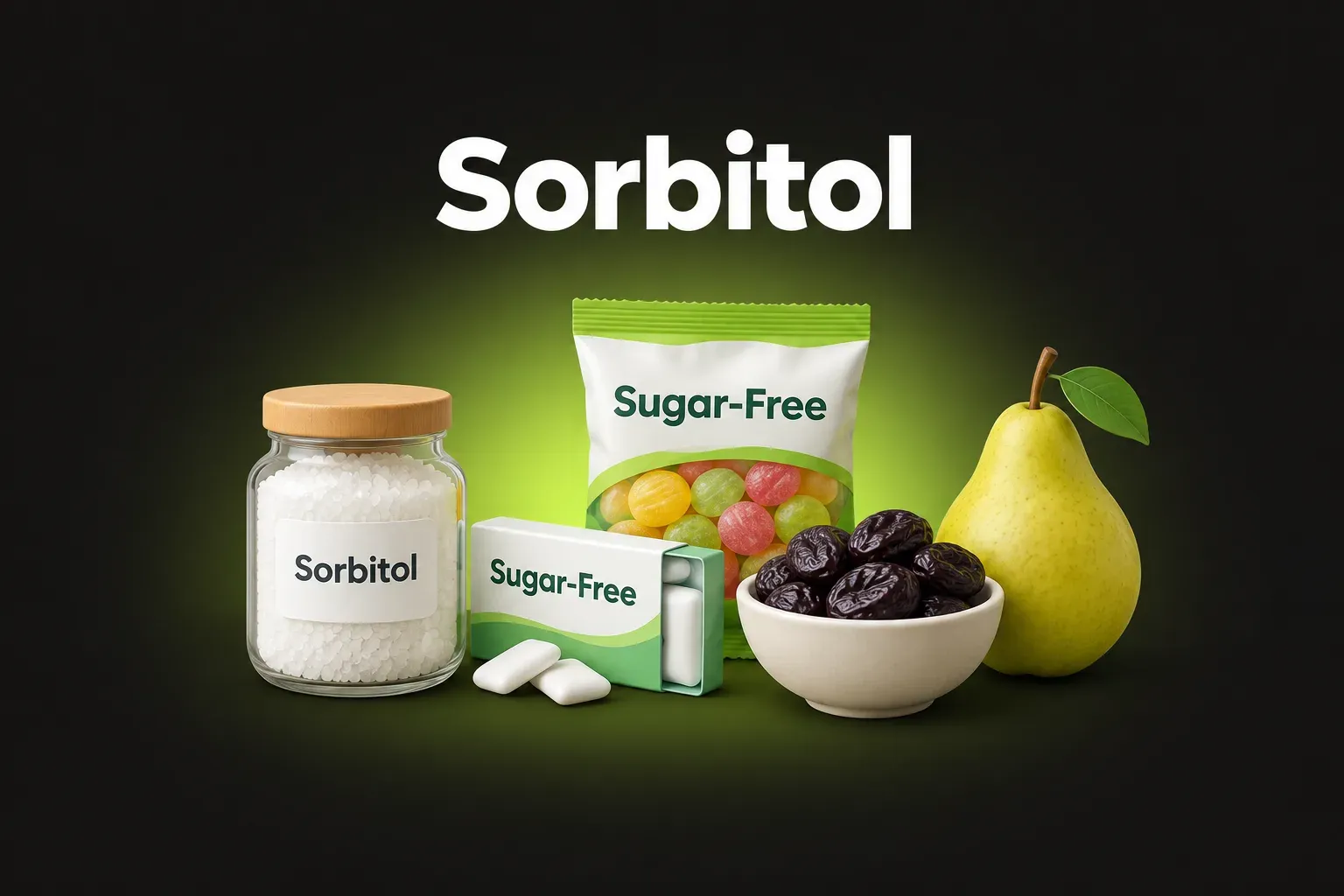
Sorbitol is one of the most common sweeteners in sugar-free gum, candy and “diabetic” sweets. It’s also in toothpaste, cough syrups and many medicines. It’s found naturally in fruit, so it sounds harmless. But it has a well-known side effect: in larger amounts, it makes you run to the toilet.
The short answer: sorbitol is a sugar alcohol that’s about 60% as sweet as sugar. It has fewer calories and barely raises blood sugar. In small amounts it’s safe. But the body takes in only part of it, so larger amounts cause bloating, gas and diarrhea. Doctors have even seen big weight loss in people who chewed a lot of sugar-free gum. People with IBS are especially sensitive. A 2025 animal study also linked sorbitol made in the gut to fatty liver.
What is sorbitol?
Sorbitol is a sugar alcohol (also called polyol), like xylitol and erythritol. It’s found naturally in apples, pears, peaches, plums, prunes and apricots. The sorbitol used in food is made from glucose, usually from corn or wheat.
| Sorbitol | Sugar | |
|---|---|---|
| Sweetness | about 60% of sugar | 100% |
| Calories | about 2.6 per gram | 4 per gram |
| Glycemic index | about 9 | 65 |
| Causes cavities | No | Yes |
Sorbitol also keeps food moist, so it’s used in baked goods, dried fruit and toothpaste.
On labels, you’ll see it as sorbitol, sorbitol syrup, E420, “sweetener: E420” or “humectant: E420”.
Where you’ll find sorbitol
- Sugar-free gum and mints – often the main sweetener
- Sugar-free candy and chocolate, including “diabetic” sweets
- Diet and low-sugar foods: baked goods, jams, ice cream
- Dried fruit and baked goods – to keep them soft
- Toothpaste and mouthwash
- Medicines: cough syrups, liquid medicines, chewable tablets and some laxatives
- Naturally in fruit: prunes, pears, apples, peaches and their juices
Side effects: bloating, gas and diarrhea
The small intestine takes in sorbitol slowly and only partly. The rest reaches the large intestine, where it:
- pulls water into the bowel, which can cause loose stools or diarrhea
- is eaten by gut bacteria, which makes gas, bloating and cramps
How much it takes is different for each person. Many people notice gas and bloating from 5–10 g. Diarrhea often starts at 20 g or more a day. One stick of sugar-free gum can contain over 1 g, so a pack or two a day adds up.
Big weight loss from chewing gum
Doctors at the Charité hospital in Berlin wrote about two patients who had diarrhea for months and lost a lot of weight. Many tests found nothing. Then the doctors found out both were chewing lots of gum sweetened with sorbitol every day. When they stopped, the diarrhea stopped and they started to gain weight back (Bauditz et al., BMJ, 2008). Canadian doctors call sorbitol an “often forgotten cause” of diarrhea (Liauw et al., Canadian Family Physician, 2019).
IBS and sensitive stomachs
Sorbitol is one of the FODMAPs. These are carbs the body doesn’t take in well, and they often cause problems for people with irritable bowel syndrome (IBS). A Monash University study gave people 10 g of sorbitol. Only about a third of them fully took it in – both healthy people and people with IBS (Yao et al., Journal of Human Nutrition and Dietetics, 2014). If you have IBS, it’s worth avoiding sorbitol or testing it carefully.
Sorbitol and the liver: new research
Your body also makes sorbitol from glucose. A 2025 study from Washington University looked at this in zebrafish. The gut turned glucose from food into sorbitol, and gut bacteria normally broke it down. When the gut bacteria were missing, sorbitol went to the liver. There it was turned into a form of fructose and caused fatty liver (Jackstadt et al., Science Signaling, 2025).
This was a study in fish, and it looked at sorbitol made in the body, not sorbitol from food. But it suggests that sorbitol may matter for the liver. This could be true especially when gut bacteria are upset – for example after antibiotics. Studies in animals help spot possible risks early. Testing them on people for years would put their health at risk.
Is sorbitol safe?
In normal amounts, yes. Sorbitol is approved in the US and EU without a daily limit. In the EU, foods with more than 10% added sugar alcohols must carry the warning “excessive consumption may produce laxative effects”.
Be careful if you:
- have IBS or a sensitive stomach
- have trouble digesting fructose – sorbitol is turned into fructose in the body
- have hereditary fructose intolerance, a rare disease people are born with – they must avoid sorbitol completely
- give sugar-free sweets or liquid medicines to young children, who get diarrhea from smaller amounts
Sorbitol vs other sugar alcohols
| Sweetener | Calories | Glycemic index | How well your gut handles it | Other worries |
|---|---|---|---|---|
| Sorbitol | 2.6 kcal/g | about 9 | Poorly – diarrhea from 10–20 g | Fatty liver in animal study |
| Xylitol | 2.4 kcal/g | about 7–13 | OK | Blood clotting in studies; toxic to dogs |
| Erythritol | ~0.2 kcal/g | 0 | Well | Blood clotting in studies |
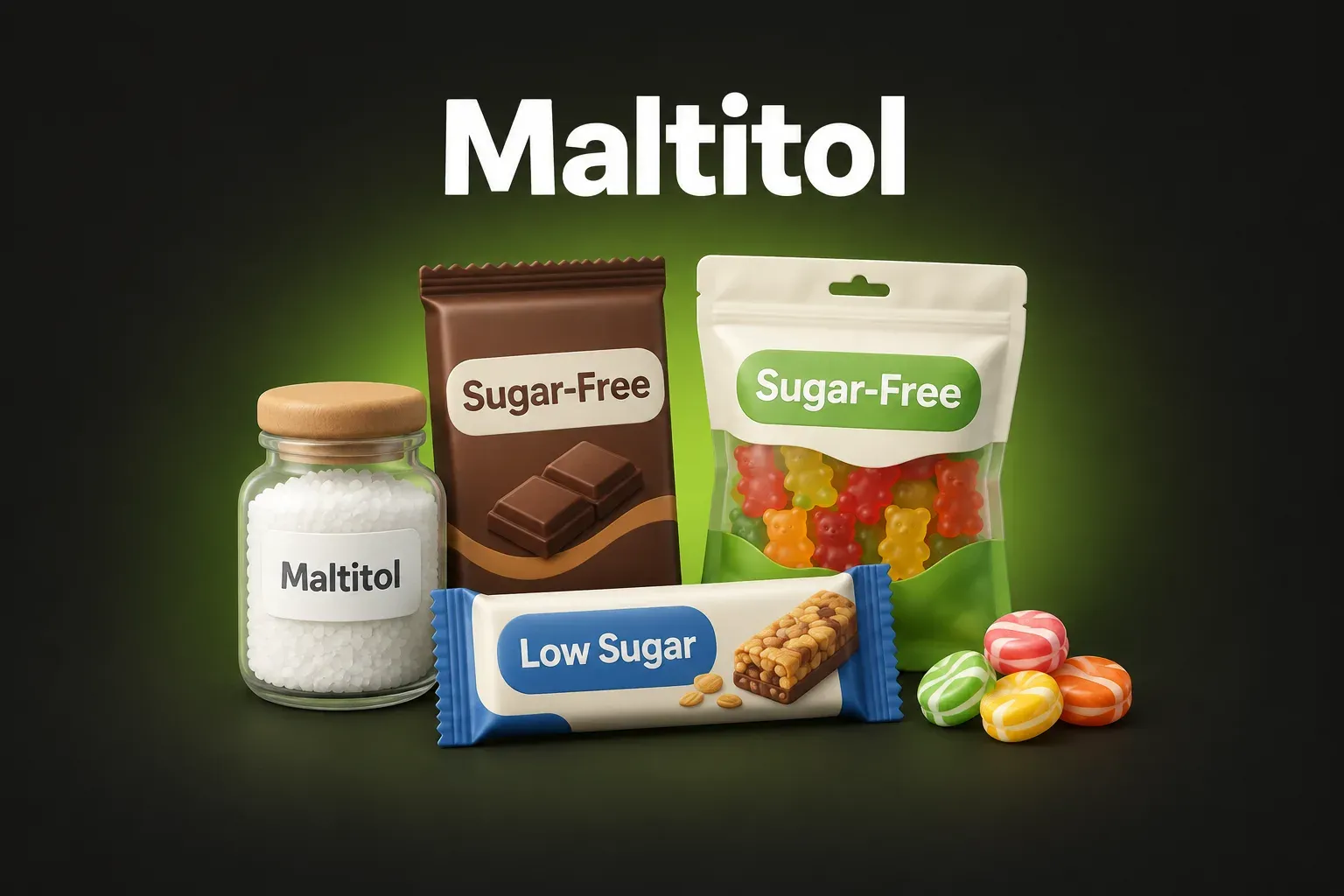
| Maltitol | 2.1–3 kcal/g | about 35–52 | Poorly | Raises blood sugar more |
How to avoid problems with sorbitol
- Limit sugar-free gum and candy – a few pieces a day is fine; a pack or two may not be.
- Read labels on “sugar-free” and “diabetic” sweets – look for sorbitol or E420.
- If you have diarrhea or bloating with no clear cause, check how much sugar-free gum, candy and fruit juice you have.
- Avoid sorbitol if you have IBS or trouble digesting fructose.
- Use prunes or prune juice on purpose if you’re constipated and want a gentle, natural fix.
Spot sorbitol on any label in seconds. With NutriSmart, you photograph the ingredient list or scan the barcode, and the app tells you right away if the product has sorbitol. Turn on an alert for it, and the app warns you every time a product you scan contains it. You’ll also see every other additive, the risks of each one and a health score out of 100.Get the app free
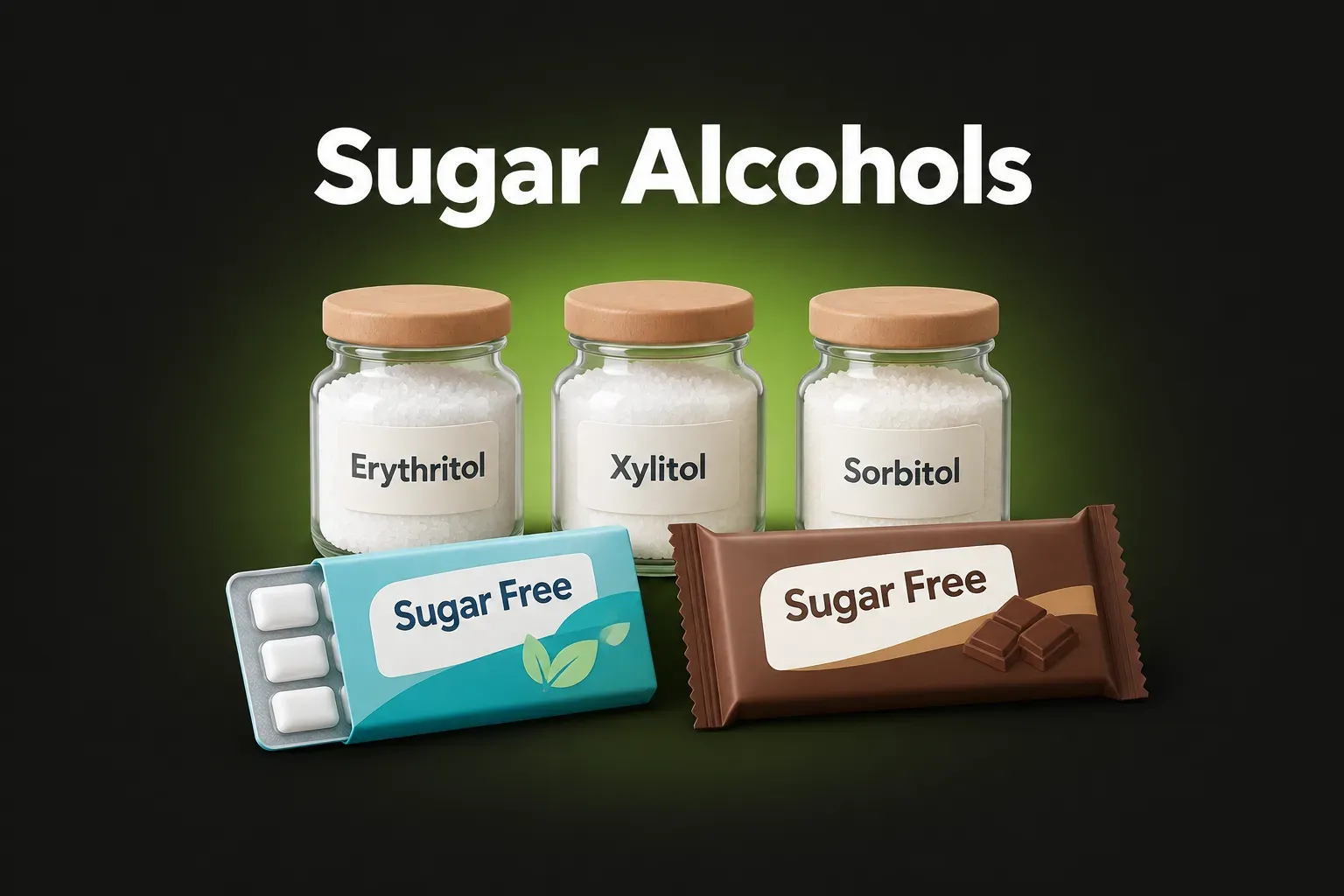
You can also read about other sweeteners: xylitol, erythritol and stevia, or read our overview of all sugar alcohols.
Compare all sweeteners and their NutriSmart ratings in our full list of artificial sweeteners.
The bottom line
Sorbitol is a sugar alcohol from fruit. It sweetens sugar-free gum, candy and medicines with fewer calories and little effect on blood sugar. In small amounts it’s safe. But larger amounts cause bloating and diarrhea – sometimes bad enough to cause weight loss. People with IBS are especially sensitive. If your stomach is often upset, check your sugar-free gum and candy first.
FAQ
What is sorbitol?
Sorbitol is a sugar alcohol – a type of sweetener found naturally in fruits like apples, pears, peaches and prunes. The sorbitol used in food is made from glucose. It's about 60% as sweet as sugar, with about a third fewer calories. It's used in sugar-free gum, candy, diet foods, toothpaste and medicines.
Is sorbitol bad for you?
In small amounts, no. But the body takes in only part of it. So larger amounts – often from sugar-free gum and candy – cause bloating, gas and diarrhea. Doctors have seen patients with months of diarrhea and big weight loss from chewing a lot of sugar-free gum. People with IBS (a sensitive bowel) are especially sensitive.
How much sorbitol causes diarrhea?
It varies a lot from person to person. Many people get gas and bloating from about 5–10 g, and diarrhea often starts from 20 g or more a day. One stick of sugar-free gum can contain over 1 g, so a whole pack can add up quickly.
Is sorbitol safe for people with diabetes?
It raises blood sugar much less than sugar (glycemic index about 9), so small amounts are fine. But "diabetic" chocolates and candies sweetened with sorbitol often have a lot of fat and calories. And large amounts upset the stomach.
Why do prunes make you poop?
Partly because of sorbitol. Prunes contain about 15 g of sorbitol per 100 g, plus fiber. The sorbitol your body doesn't take in pulls water into the bowel, which softens stool. That's why prunes and prune juice help with constipation.
What is E420?
E420 is the European code for sorbitol and sorbitol syrup. On labels you'll see "sorbitol", "sweetener: E420" or "humectant: E420". In the EU, foods with more than 10% added polyols must warn that excessive consumption may have laxative effects.