Sulfites in Food and Wine: Allergy, Asthma and Risks
What sulfites (E220–E228) are, which foods and wines contain them, who reacts to them, why EFSA raised a safety concern in 2022, and how to avoid them.
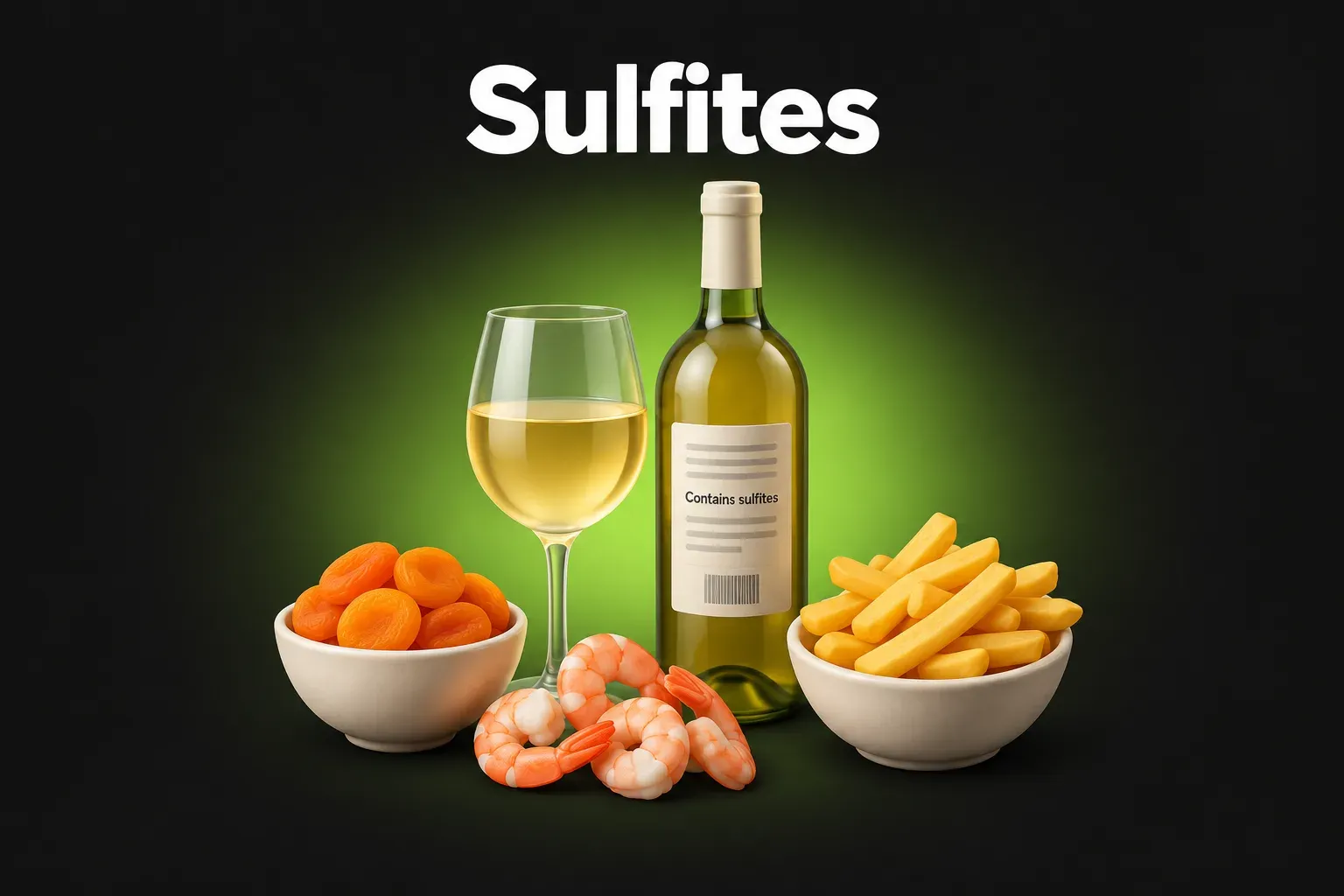
Every bottle of wine says “contains sulfites” – but wine is far from the biggest source. Sulfites are some of the oldest preservatives in the world, used since Roman times to keep wine from spoiling. Today they’re in dried fruit, potato products, shrimp and many drinks. For most people, they’re harmless. But for some people with asthma, they can trigger serious breathing problems.
The short answer: sulfites (E220–E228) are sulfur-based preservatives. Between 3% and 10% of people with asthma react to them, usually with wheezing and a tight chest. They also destroy vitamin B1 in food. In 2022, the European Food Safety Authority withdrew the safe daily limit because the data were too weak and said that people who eat and drink a lot of them may be at risk. Most people don’t need to avoid them, but it makes sense not to eat dried fruit and wine in large amounts every day.
What are sulfites?
Sulfites are compounds made from sulfur. When they’re added to food or drinks, they release sulfur dioxide, which:
- kills bacteria, yeast and mold
- stops fruit and potatoes from turning brown
- keeps wine fresh and stops it from turning into vinegar
- bleaches some foods to a lighter color
On labels, you’ll see them as:
| Name | E‑number |
|---|---|
| Sulfur dioxide | E220 |
| Sodium sulfite | E221 |
| Sodium bisulfite | E222 |
| Sodium metabisulfite | E223 |
| Potassium metabisulfite | E224 |
| Calcium sulfite, calcium bisulfite, potassium bisulfite | E226, E227, E228 |
In the EU and the US, sulfites must be listed on the label when there’s more than 10 mg per kg or liter, because they’re on the list of common allergens. Small amounts also form naturally when wine and beer ferment – that’s why even “no added sulfites” wine isn’t completely sulfite-free.
Which foods contain sulfites?
- Dried fruit: light-colored dried apricots, golden raisins, dried figs, dried mango – often the biggest source
- Drinks: wine, cider, some beer, grape juice, cordials and soft drinks
- Bottled lemon and lime juice
- Potato products: frozen fries, dried potato flakes, some chips
- Seafood: shrimp and prawns (to stop black spots)
- Pickles, vinegar, mustard and some sauces
- Jams, fruit fillings and candied fruit
- Meat: in the EU and UK, some sausages and burgers
In the US, sulfites are banned on fresh fruit and vegetables since 1986, after people with asthma had severe reactions – some fatal – to sulfite-treated salad bars. They’re also not allowed in meat in the US, because they destroy vitamin B1.
A dry red wine in the EU may contain up to 150 mg per liter, and a dry white up to 200 mg. Dried apricots can contain several times more per kilo.
Are sulfites bad for you? What the research says
Asthma and allergic-type reactions
Sulfites are best known for triggering asthma attacks. Most studies find that 3–10% of people with asthma react when they eat or drink sulfites. People with severe asthma that needs steroid treatment, very sensitive airways and children with chronic asthma seem to be at the highest risk (Vally et al., Clinical & Experimental Allergy, 2009).
Symptoms usually start within minutes: wheezing, coughing, a tight chest and shortness of breath. Some people also get hives, flushing, stomach pain or diarrhea. Rarely, the reaction is severe and life-threatening. Sulfite reactions are usually not a true allergy, but they can feel like one.
What EFSA says
In 2016, the European Food Safety Authority set a temporary safe daily limit for sulfites. In 2022, it looked again and found that the studies were still not good enough to set a limit, so it withdrew it. Instead, it compared how much people eat with the lowest dose that caused effects in animals – signs of slower nerve signals in rats. Its conclusion: this raises a safety concern for people who eat and drink a lot of sulfites. EFSA also asked for lower limits for arsenic, lead and mercury in sulfite additives (EFSA, 2022).
These are animal studies, and the effects were found at doses higher than most people eat. But animal studies matter: you can’t test for years whether something harms people’s nerves, because that would put their health at risk.
Vitamin B1
Sulfites break down thiamine (vitamin B1) in food. That’s why they’re not allowed in foods that are important sources of B1, like meat, in the US. For most people eating a varied diet, this isn’t a problem.
Wine headaches
Many people blame sulfites for the headache after a glass of wine. There’s little proof of this. Wine headaches are more often linked to alcohol, histamine and other substances in wine – and red wine, which usually has fewer sulfites than white, is the one people blame most often for headaches.
Who should avoid sulfites?
- People with asthma who notice symptoms after wine, dried fruit, pickles or shrimp
- People who have reacted to sulfites before
- People with severe asthma or children with chronic asthma – talk to your doctor
If you suspect a sensitivity, an allergist can test you with a supervised challenge. Skin and blood tests usually don’t work for sulfites.
How to eat fewer sulfites
- Choose dark, unsulfured dried apricots – the brown ones aren’t treated with sulfites.
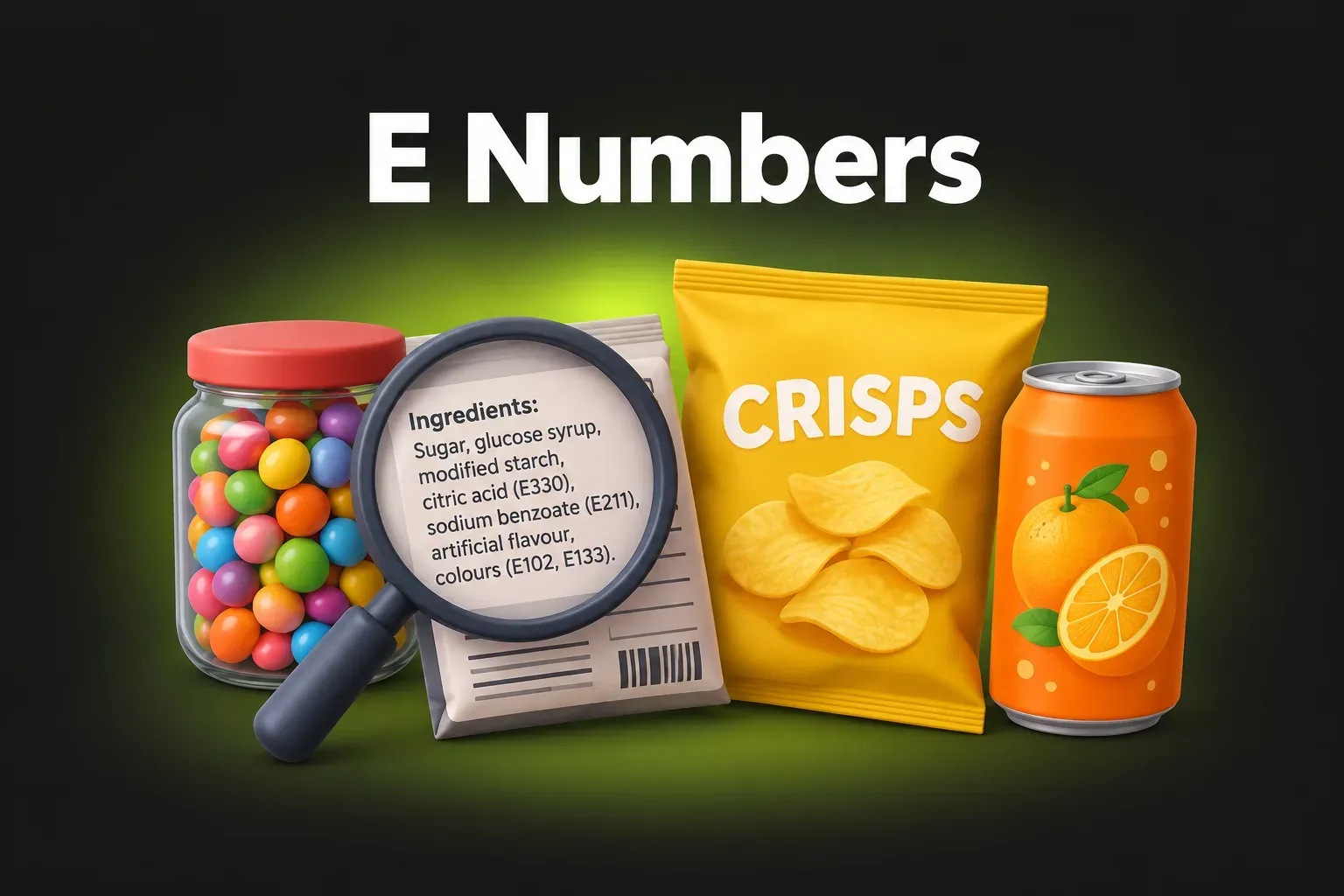
- Read labels for “sulfites”, “sulphites”, “sulfur dioxide”, “metabisulfite” or E220–E228.
- Squeeze fresh lemons instead of bottled lemon juice.
- Choose fresh potatoes over frozen or dried potato products.
- Choose organic wine – EU organic rules allow less sulfur dioxide than regular wine.
- Ask in restaurants if you have asthma and react to sulfites.
Spot sulfites on any label in seconds. With NutriSmart, you photograph the ingredient list or scan the barcode, and the app tells you right away if the product has sulfites. Turn on an alert for them, and the app warns you every time a product you scan contains them. You’ll also see every other additive, the risks of each one and a health score out of 100.Get the app free
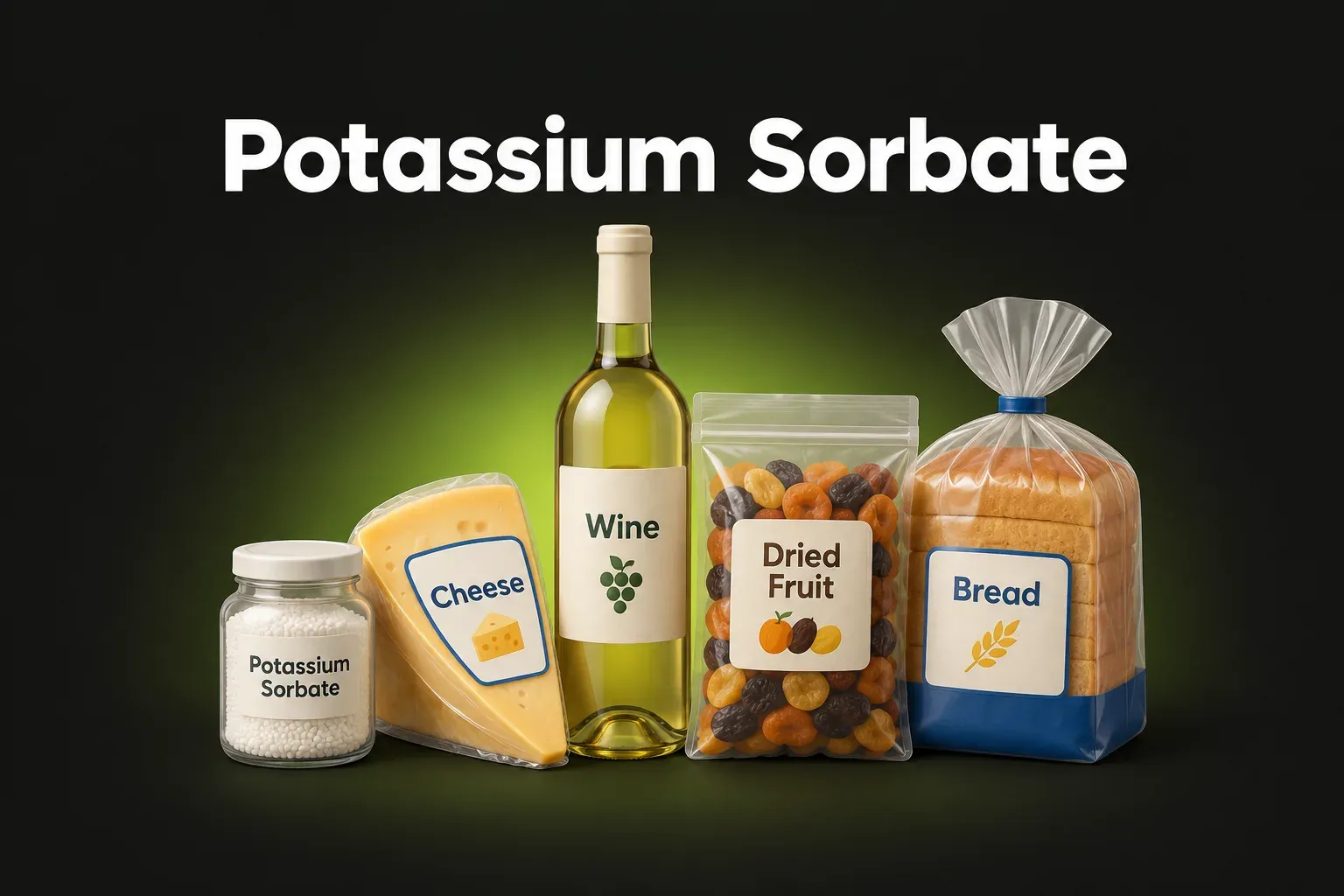
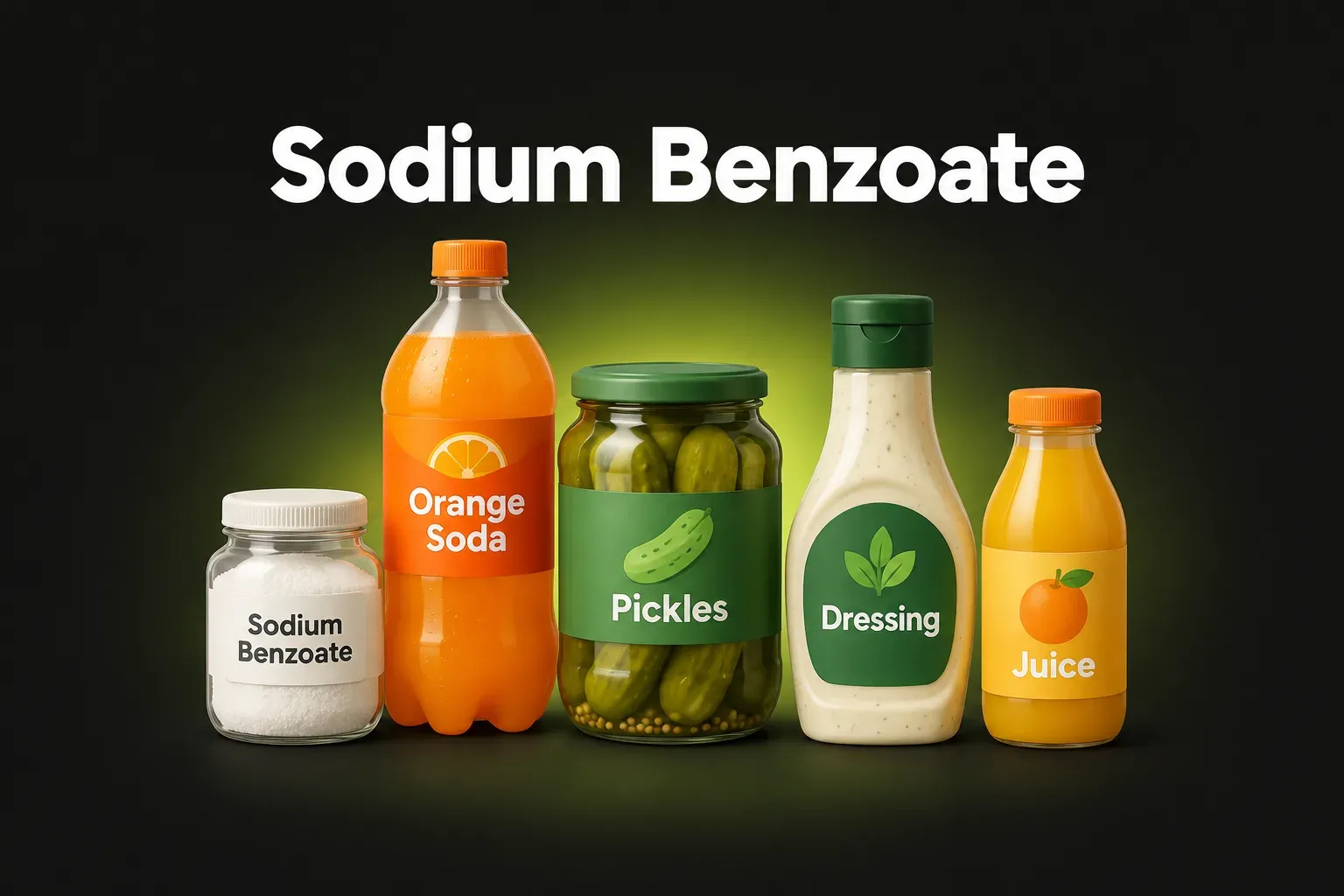
You can also read about other preservatives: sodium benzoate, potassium sorbate and natamycin.
The bottom line
Sulfites (E220–E228) are preservatives used in wine, dried fruit, potato products, shrimp and many drinks. Most people tolerate them, but 3–10% of people with asthma react with wheezing and breathing problems, sometimes severe. In 2022, EFSA withdrew the safe daily limit and raised a safety concern for high consumers. If you have asthma, notice how you feel after wine and dried fruit – and choose unsulfured dried fruit and fresh lemons when you can.
FAQ
What are sulfites?
Sulfites are preservatives made from sulfur. They stop food from turning brown, kill bacteria and yeast and keep wine fresh. On labels, they appear as sulfur dioxide, sodium sulfite, sodium or potassium metabisulfite, or E220 to E228. Small amounts also form naturally when wine and beer ferment.
Which foods have the most sulfites?
Dried fruit (especially light-colored dried apricots and raisins), wine, cider, some beer, bottled lemon and lime juice, frozen and dried potato products, shrimp, pickles, some jams, vinegar and, in the EU and UK, some sausages and burgers.
Who should avoid sulfites?
People with asthma who notice symptoms after wine or dried fruit, and people who have had a reaction to sulfites before. Between 3% and 10% of people with asthma react to them. People with severe asthma and children with chronic asthma are at higher risk.
Do sulfites in wine cause headaches?
There's little proof of that. Sulfites mainly cause breathing problems in people with asthma. Wine headaches are more often linked to alcohol itself, histamine and other substances in wine. Dried apricots have far more sulfites than a glass of wine.
Are sulfites safe?
For most people, the small amounts in food don't cause problems. But in 2022, the European Food Safety Authority withdrew the safe daily limit for sulfites because the data were too weak, and said that people who eat and drink a lot of them may be at risk. It saw possible effects on the nervous system in rats.
What are the symptoms of a sulfite reaction?
Most often wheezing, coughing, a tight chest and shortness of breath, usually within minutes. Some people get hives, flushing, stomach pain or diarrhea. Rarely, the reaction can be severe and life-threatening.