Oreo Ingredients: What's Really in an Oreo Cookie?
Oreo ingredients explained in plain words: sugar, palm oil, corn syrup and more. Plus calories, vegan facts, Double Stuf, Thins, Golden and health risks.
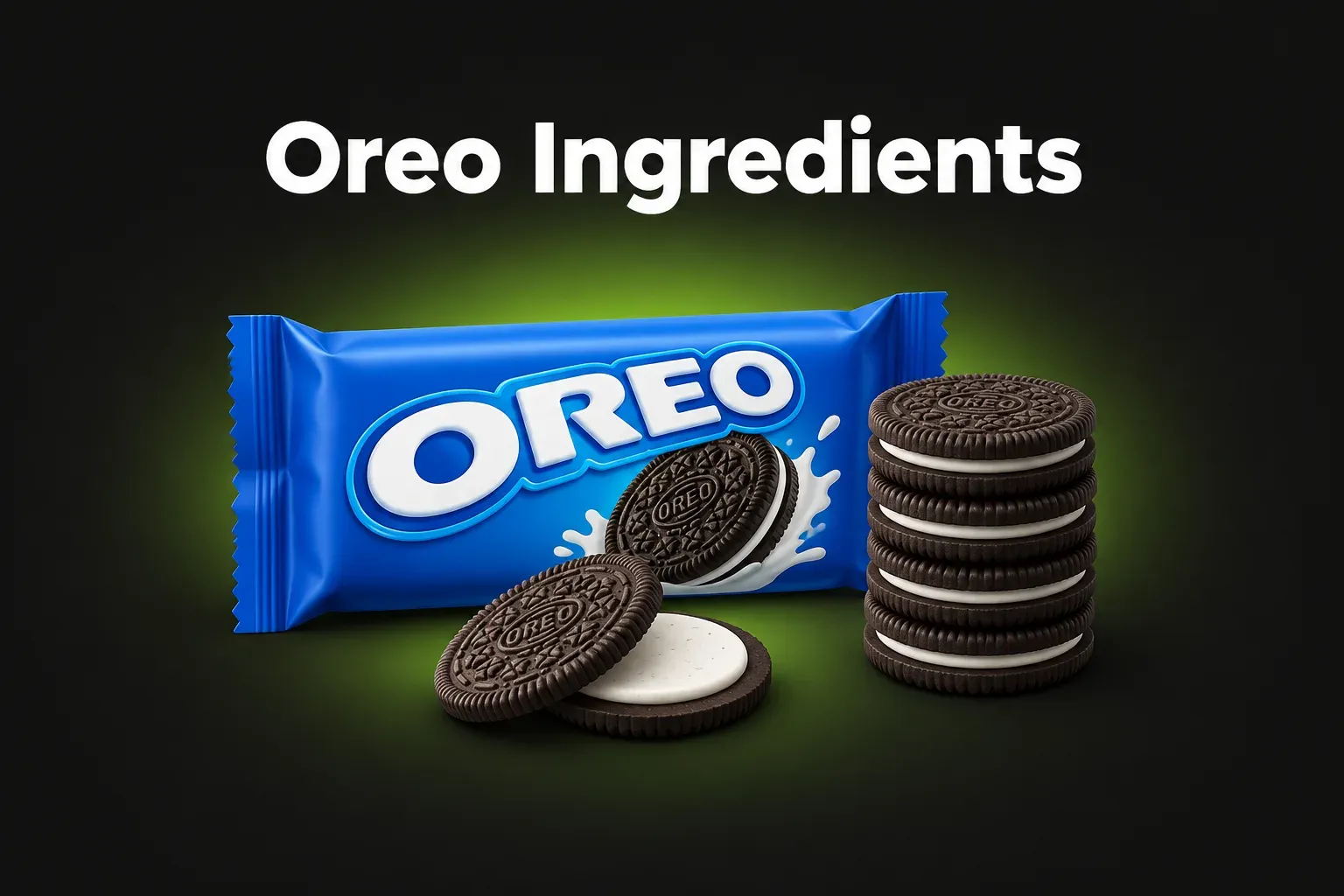
Oreo has been around for over 100 years. It’s two dark cocoa wafers with white creme in the middle. But what’s actually in them?
The short answer: US Oreos are made of 11 ingredients. The main ones are enriched wheat flour, sugar, palm oil and soybean or canola oil. They also contain cocoa, high fructose corn syrup, salt, soy lecithin and artificial flavor. Three cookies have 160 calories and 14 g of sugar, all of it added. The recipe has no milk or eggs. Oreos are fine as an occasional treat. But they’re an ultra-processed sweet with almost no fiber or protein.
Oreo ingredients list (US label)
Here are the ingredients of the classic OREO Chocolate Sandwich Cookies, in the order on the US label. The first ingredient is the one there’s the most of.
- Unbleached enriched flour – white wheat flour that hasn’t been bleached. Milling removes the bran, the part with most of the fiber. “Enriched” means iron and some B vitamins (niacin, thiamine, riboflavin and folic acid) are added after milling.
- Sugar – the second ingredient. It sweetens both the wafer and the creme.
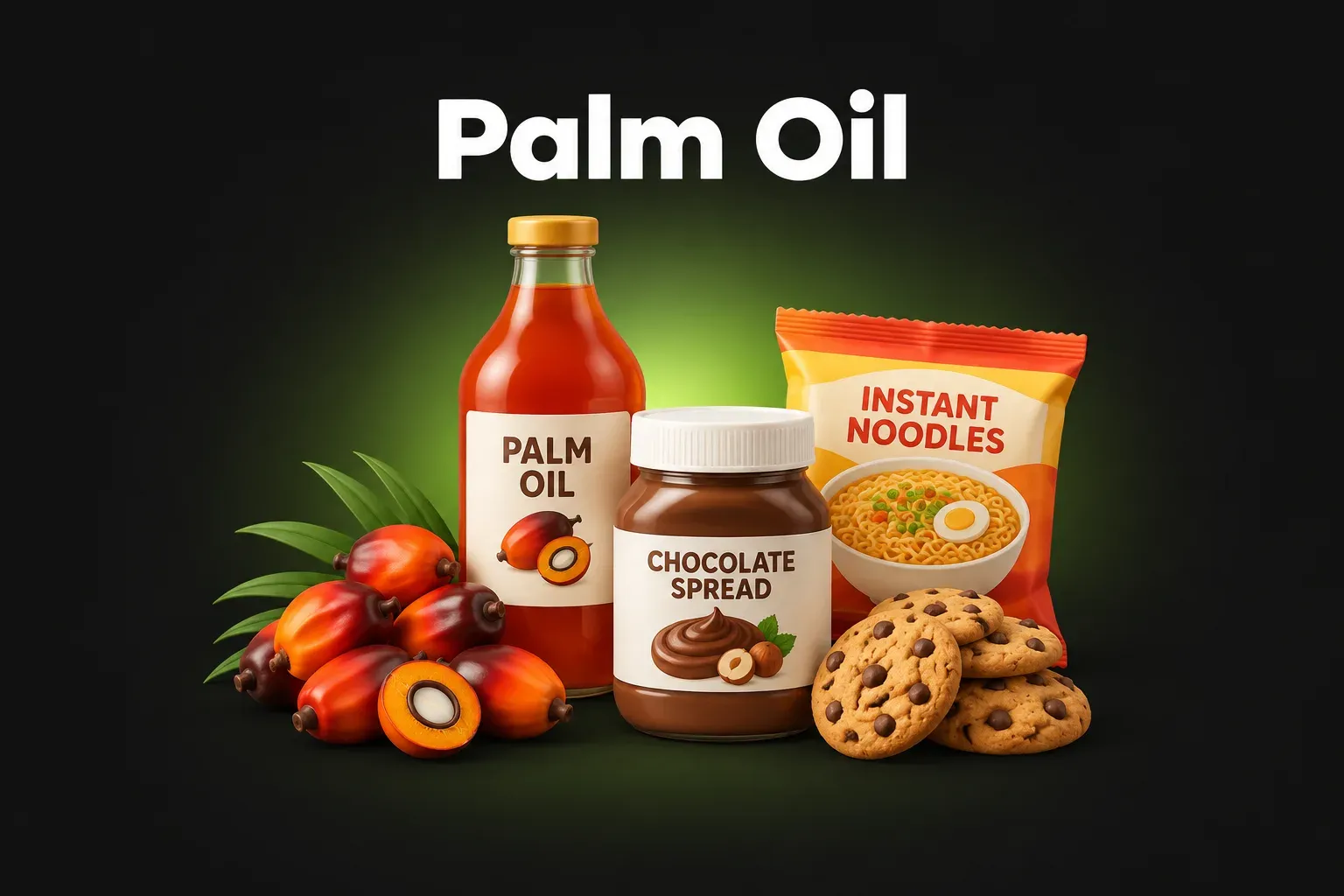
- Palm oil – a fat from the fruit of the oil palm. It’s solid at room temperature, so it keeps the creme firm. About half of it is saturated fat. More in our guide to palm oil.
- Soybean and/or canola oil – liquid vegetable oils. “And/or” means the maker can use either one.
- Cocoa (processed with alkali) – cocoa powder treated with an alkaline salt. This is also called “Dutch-process” cocoa. It makes the cocoa darker and milder. That’s why Oreo wafers are almost black.
- High fructose corn syrup – a liquid sugar made from corn. It comes after cocoa, so there’s less of it than regular sugar.
- Leavening (baking soda and/or calcium phosphate) – helps the dough puff up a little as it bakes.
- Salt – for taste. A serving has 130 mg of sodium.
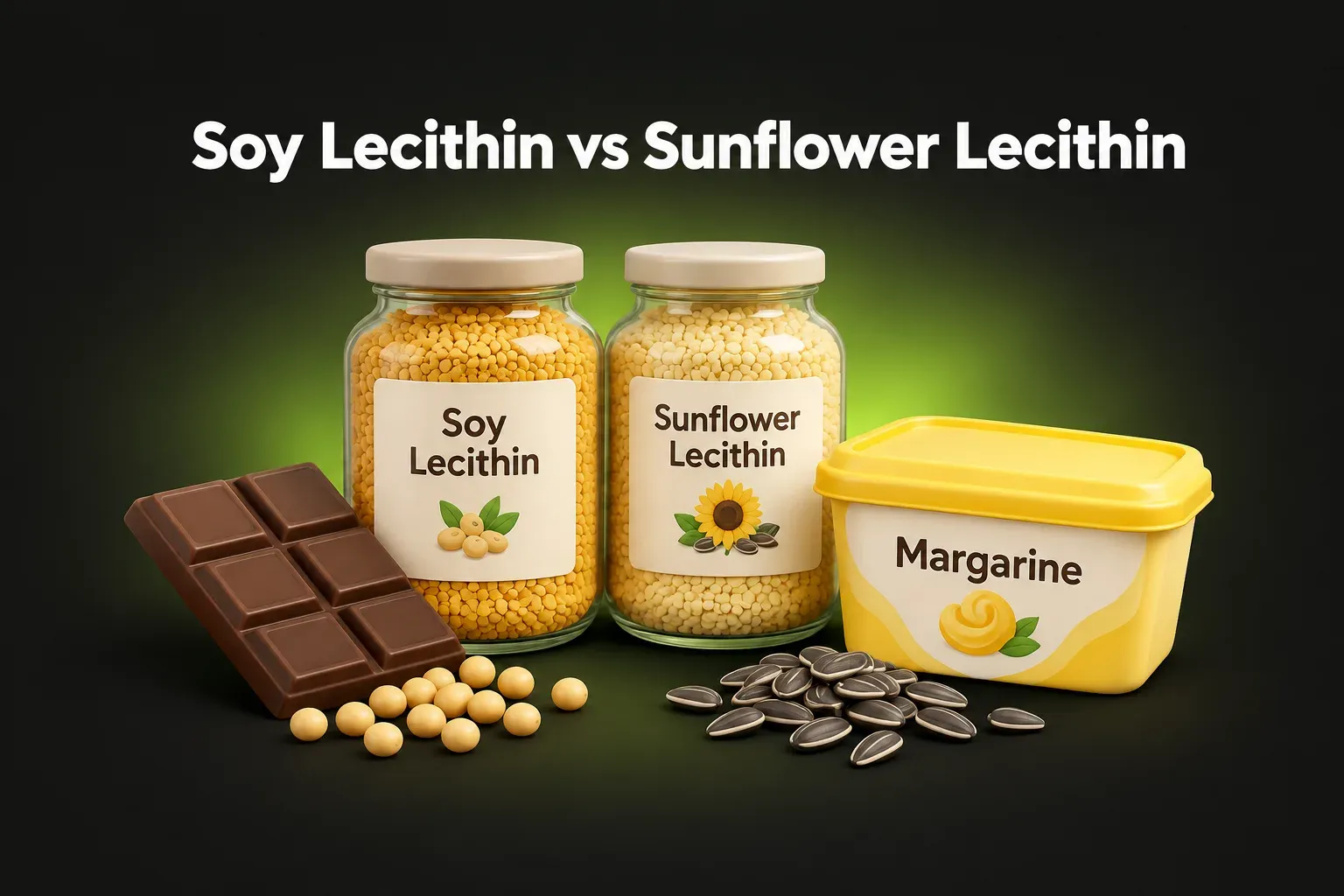
- Soy lecithin – an emulsifier. That’s an additive that helps fat and other ingredients mix evenly. It comes from soybeans.
- Chocolate – a small amount for extra chocolate flavor.
- Artificial flavor – a flavor made in a lab. The label doesn’t say which one.
Ingredients: OREO US, Family Size pack. Open Food Facts shows the same list. Some older packs say “palm and/or canola oil” instead.
What about the creme? Oreo doesn’t list the filling on its own. But no ingredient on the list comes from milk. So the white “creme” is mostly sugar and vegetable fat. There’s no cream in it.
What about the cocoa? Cocoa has natural plant compounds called flavanols. They’re linked to heart benefits. But treating cocoa with alkali can destroy most of them. In one lab survey, natural cocoa powder had about 35 mg of flavanols per gram. Heavily alkalized cocoa had about 4 mg (Miller et al., Journal of Agricultural and Food Chemistry, 2008). The study came from a chocolate company’s lab. So don’t count on Oreos for the health perks of cocoa.
Oreo nutrition facts
Here’s the nutrition label for one serving of original Oreos:
| Per 3 cookies (34 g) | Amount |
|---|---|
| Calories | 160 |
| Total fat | 7 g |
| Saturated fat | 2 g |
| Sodium | 130 mg |
| Carbohydrates | 25 g |
| Fiber | less than 1 g |
| Total sugars | 14 g |
| Added sugars | 14 g (28% of the Daily Value) |
| Protein | 1 g |
Source: OREO US, Chocolate Sandwich Cookies, Family Size.
What these numbers mean:
- One Oreo has about 53 calories and almost 5 g of sugar – more than a teaspoon.
- 14 g of sugar is about 3.5 teaspoons. The American Heart Association sets a daily limit for added sugar. It’s about 25 g for women and 36 g for men (Johnson et al., Circulation, 2009). Three Oreos use up more than half of the women’s limit. Six go over it.
- Almost no fiber or protein. That’s why Oreos don’t fill you up. It’s easy to eat a whole row.
- A Family Size pack has about 15 servings. That’s about 2,400 calories – a full day’s worth for many adults.
Double Stuf, Thins, Golden and Gluten Free
Oreo makes many versions. Here’s how the best-known ones differ:
- Double Stuf – more creme. Sugar moves to first place on the list. Two cookies have 140 calories and 13 g of sugar. That’s about 6.5 g of sugar per cookie, vs about 5 g in the original.
- Mega Stuf – even more creme, plus dextrose (another sugar). Two cookies have 180 calories and 17 g of sugar.
- Thins – thinner cookies with less creme each. Sugar is listed first here, too. Four Thins have 140 calories and 12 g of sugar. Gram for gram, they’re about the same as the original. You just get a smaller bite.
- Golden – a golden vanilla wafer with no cocoa. It uses canola and palm oil, high fructose corn syrup and both natural and artificial flavor. Three cookies have about 170 calories and 12 g of sugar.
- Gluten Free – made with white rice flour, tapioca starch, whole oat flour and cornstarch instead of wheat. Xanthan gum holds the dough together. It uses invert sugar instead of high fructose corn syrup. Sugar comes first on the list. Calories and sugar are about the same as the original.
Gluten Free Oreos are a good option if you can’t eat gluten. But they aren’t a healthier cookie.
Are Oreos vegan?
Almost, but not quite. The US recipe has no milk, eggs or other animal ingredients. The label lists only wheat and soy as allergens.
But the cookies may touch milk in the factory. Oreo’s UK website says many of its products suit vegans, but may contain traces of milk. It also says Oreos are not suitable for a dairy-free diet.
So if you’re vegan by choice, the recipe itself works. If you have a milk allergy, it’s safer to skip them. Other flavors can differ, so always check the label.
Oreo vs other cookies
| Cookie | Serving | Calories | Sugar | Sat fat | Sugar per 100 g |
|---|---|---|---|---|---|
| Oreo Original | 3 cookies (34 g) | 160 | 14 g | 2 g | 41 g |
| Oreo Double Stuf | 2 cookies (29 g) | 140 | 13 g | 2.5 g | 45 g |
| Oreo Mega Stuf | 2 cookies (36 g) | 180 | 17 g | 3 g | 47 g |
| Oreo Thins | 4 cookies (29 g) | 140 | 12 g | 2 g | 41 g |
| Golden Oreo | 3 cookies (34 g) | 170 | 12 g | 2 g | 35 g |
| Oreo Gluten Free | 3 cookies (34 g) | 160 | 14 g | 2 g | 41 g |
| Newman‑O’s Original | 2 cookies (27 g) | 130 | 11 g | 2 g | 41 g |
| Hydrox | 2 cookies (28 g) | 130 | 12 g | 2 g | 43 g |
| Chips Ahoy! Original | 3 cookies (33 g) | 160 | 10 g | 3 g | 30 g |
| Nutter Butter | 2 cookies (28 g) | 130 | 8 g | 1.5 g | 29 g |
Oreo Original, Thins and Gluten Free: OREO US (Original, Thins, Gluten Free). Others: Open Food Facts (Double Stuf, Mega Stuf, Golden, Newman-O’s, Hydrox, Chips Ahoy!, Nutter Butter). Golden Oreo values are from 2023, the newest entry available. Sugar per 100 g (3.5 oz) is worked out from the serving size.
What stands out:
- Chocolate sandwich cookies are about 41–47% sugar by weight. The creme is the reason – the more creme, the more sugar. Golden Oreos are a bit lower, at about 35%.
- Chips Ahoy! and Nutter Butter have less sugar per gram. But they’re still sweet, ultra-processed cookies. Chips Ahoy! also contains milk.
- Newman-O’s use organic flour and sugar. But they have about the same sugar as Oreos, and they use palm oil too. Organic doesn’t mean low in sugar.
- Hydrox – a long-time rival of Oreo – is very close in calories and sugar.
Is Oreo bad for you?
A few Oreos now and then won’t hurt a healthy person. The problems come from eating them often, or a lot at once. Here’s what research says about the main ingredients.
Sugar and high fructose corn syrup
Sugar is the biggest issue. Eating too much added sugar is linked to weight gain, type 2 diabetes and heart disease. In people, high fructose corn syrup acts much like table sugar. But animal studies suggest it may not be harmless:
- Weight gain in rats. In a Princeton study, male rats could drink 8% high fructose corn syrup water for 12 hours a day. After 8 weeks, they had gained more weight than rats given 10% table sugar water. That was true even though both groups ate the same number of calories. In a longer test of 6–7 months, male and female rats on the syrup got more belly fat and higher blood fats (Bocarsly et al., Pharmacology Biochemistry and Behavior, 2010).
- Gut tumors in mice. Mice prone to gut tumors got a small daily dose of high fructose corn syrup. For a person, it would match less than one 12 oz (355 ml) can of soda a day. Their tumors grew larger and more aggressive. This happened even though the mice didn’t become obese (Goncalves et al., Science, 2019).
Palm oil
Palm oil gives Oreos most of their 2 g of saturated fat per serving.
- Cholesterol. A review pooled trials in people. Palm oil raised “bad” LDL cholesterol by about 9 mg/dL (0.24 mmol/L). That was compared with oils low in saturated fat (Sun et al., Journal of Nutrition, 2015).
- Substances from refining. Refining oil at high heat forms substances called glycidyl esters. Palm oil has the highest levels. The body turns them into glycidol, which damages DNA and causes cancer in animals. In 2016, the European Food Safety Authority called them a possible health concern. That applies mainly to children and to people who eat a lot of them. It did not set a safe level (EFSA, 2016).
- Cancer spread in mice. Mice with mouth or skin cancer ate a diet rich in palm oil for a short time. Their cancer spread more. Palmitic acid, the main fat in palm oil, caused this. Olive oil’s main fat didn’t (Pascual et al., Nature, 2021).
Soy lecithin
Lecithin is one of the milder additives. In one study, mice drank lecithin in their water for 17 weeks. The dose was at least 10 times what people usually eat. Their gut bacteria shifted. Blood sugar and insulin tended to rise, but the change was too small to be sure. In a lab dish, lecithin made fat cells take up less sugar (Panyod et al., Communications Biology, 2024). There are no human studies yet. The amount in a few Oreos is small.
Why animal studies matter
Rats and mice share most of our genes and body processes. And testing a possible cancer risk on people would put their health at risk. That’s why these studies use animals. Proof in humans is still missing for most of these effects. But several labs see warning signs for refined palm oil and large amounts of high fructose corn syrup. So it makes sense to limit them as a precaution.
Oreos are ultra-processed
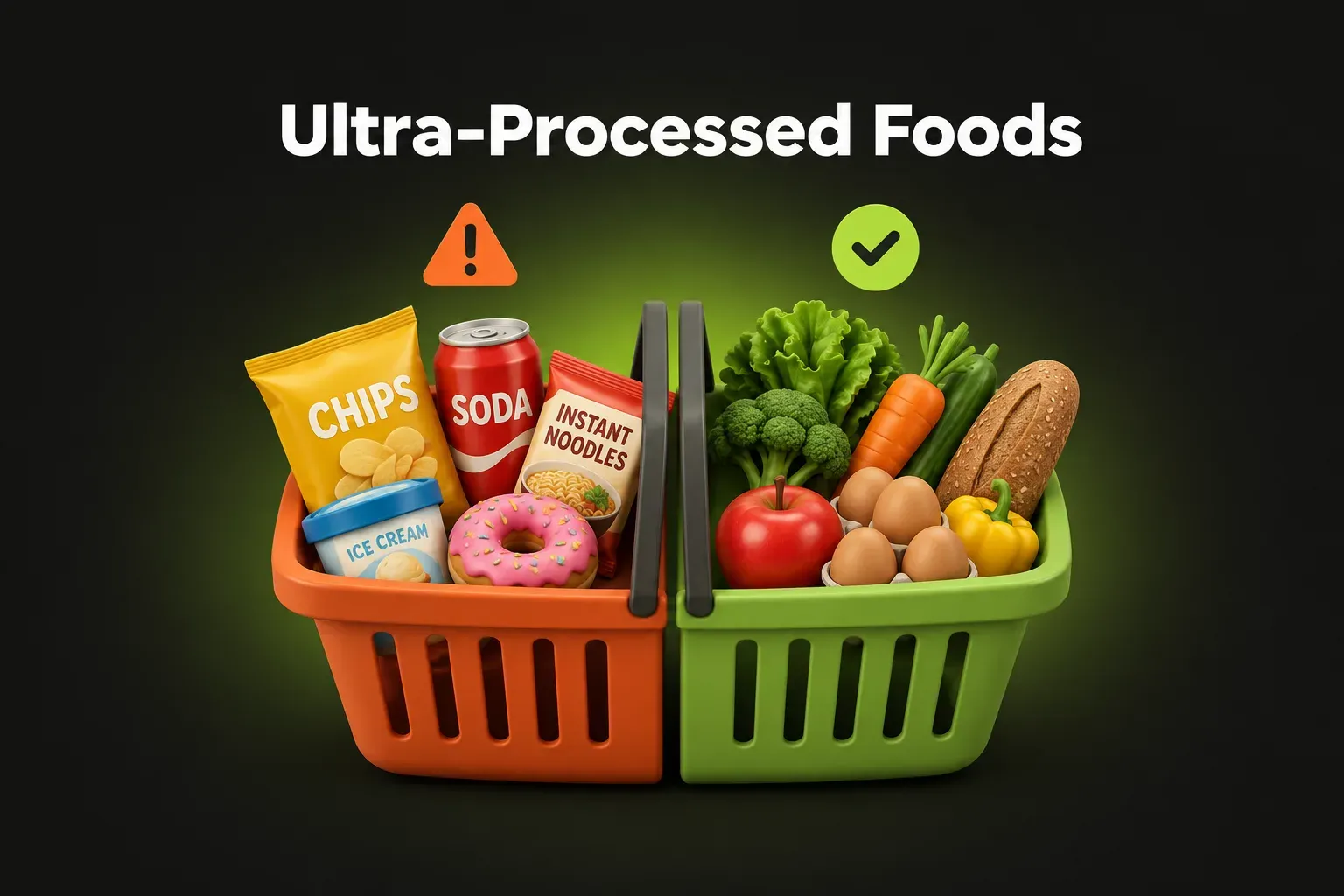
Open Food Facts puts Oreos in NOVA group 4. That’s the group for ultra-processed foods. These foods are made mostly from refined parts of foods, like sugar, starch and oils, plus additives.
- Eating more without noticing. Twenty adults lived at a US research center for four weeks. For two weeks, they ate ultra-processed meals. For two weeks, they ate unprocessed meals. They could eat as much as they wanted. On the ultra-processed meals, they ate about 500 more calories a day. They gained about 2 lb (0.9 kg) in two weeks (Hall et al., Cell Metabolism, 2019).
- Long-term health. A large review covered data on almost 10 million people. Eating more ultra-processed food was linked to higher risks of heart disease death, type 2 diabetes, anxiety and depression (Lane et al., BMJ, 2024). These studies show links, not proof that one food causes harm.
How to enjoy Oreos smarter
- Count them out. Put 2 or 3 on a plate and close the pack.
- Pick the original or Thins over Double Stuf and Mega Stuf. More creme means more sugar.
- Keep Oreos as a treat, not a daily snack. For every day, try fruit, nuts or yogurt. See our ideas for high-protein snacks.
- Craving chocolate? A square of dark chocolate has more cocoa and less sugar. Read is dark chocolate healthy?
See what’s really in your Oreos. With NutriSmart, you photograph the label or scan the barcode. The app lists the sweeteners, preservatives and colors, explains the risks of each one and gives the product a health score out of 100. It also tells you right away if a cookie is ultra-processed and which ingredients make it so. You can set an alert for an ingredient like palm oil or high fructose corn syrup. The app then warns you whenever a product you scan contains it.Get the app free
The bottom line
US Oreos are made of wheat flour, sugar, palm oil, soybean or canola oil, cocoa, high fructose corn syrup, salt, soy lecithin and flavor. Three cookies have 160 calories and 14 g of added sugar, with almost no fiber or protein. The recipe has no milk or eggs, but Oreo’s UK site warns that traces of milk are possible. Double Stuf and Mega Stuf add more sugar. Thins, Golden and Gluten Free are about the same as the original. Oreos are fine as an occasional treat. Just count them out, and don’t make them a daily habit.
FAQ
What are the ingredients in Oreos?
US Oreos are made of enriched wheat flour, sugar, palm oil, soybean and/or canola oil, cocoa processed with alkali, high fructose corn syrup, leavening, salt, soy lecithin, chocolate and artificial flavor.
How many calories are in 3 Oreos?
Three Oreo cookies (34 g) have 160 calories, 14 g of sugar, 7 g of fat and 1 g of protein. One Oreo has about 53 calories.
Are Oreos vegan?
The US recipe has no milk or eggs, and the label lists only wheat and soy as allergens. But Oreo's UK site says its cookies may have traces of milk from shared equipment. So Oreos are not a safe pick for people with a milk allergy.
Are Oreos bad for you?
A few now and then are fine. But Oreos are mostly sugar, white flour and oil, with almost no fiber or protein. Three cookies give 28% of the daily value for added sugar.
Do Oreos have high fructose corn syrup?
Yes. US Oreos list high fructose corn syrup after cocoa, so they have less of it than regular sugar. Gluten Free Oreos use invert sugar instead.
What is the white creme in an Oreo made of?
Oreo doesn't list the filling on its own. But nothing in the recipe comes from milk. So the creme is mostly sugar and vegetable fat, with soy lecithin and flavor.