Tapioca Syrup: Is It Healthier Than Corn Syrup?
What tapioca syrup is, why it's in organic bars, granola and gummies, how it affects blood sugar, how it compares with corn syrup and honey, and how to spot it.
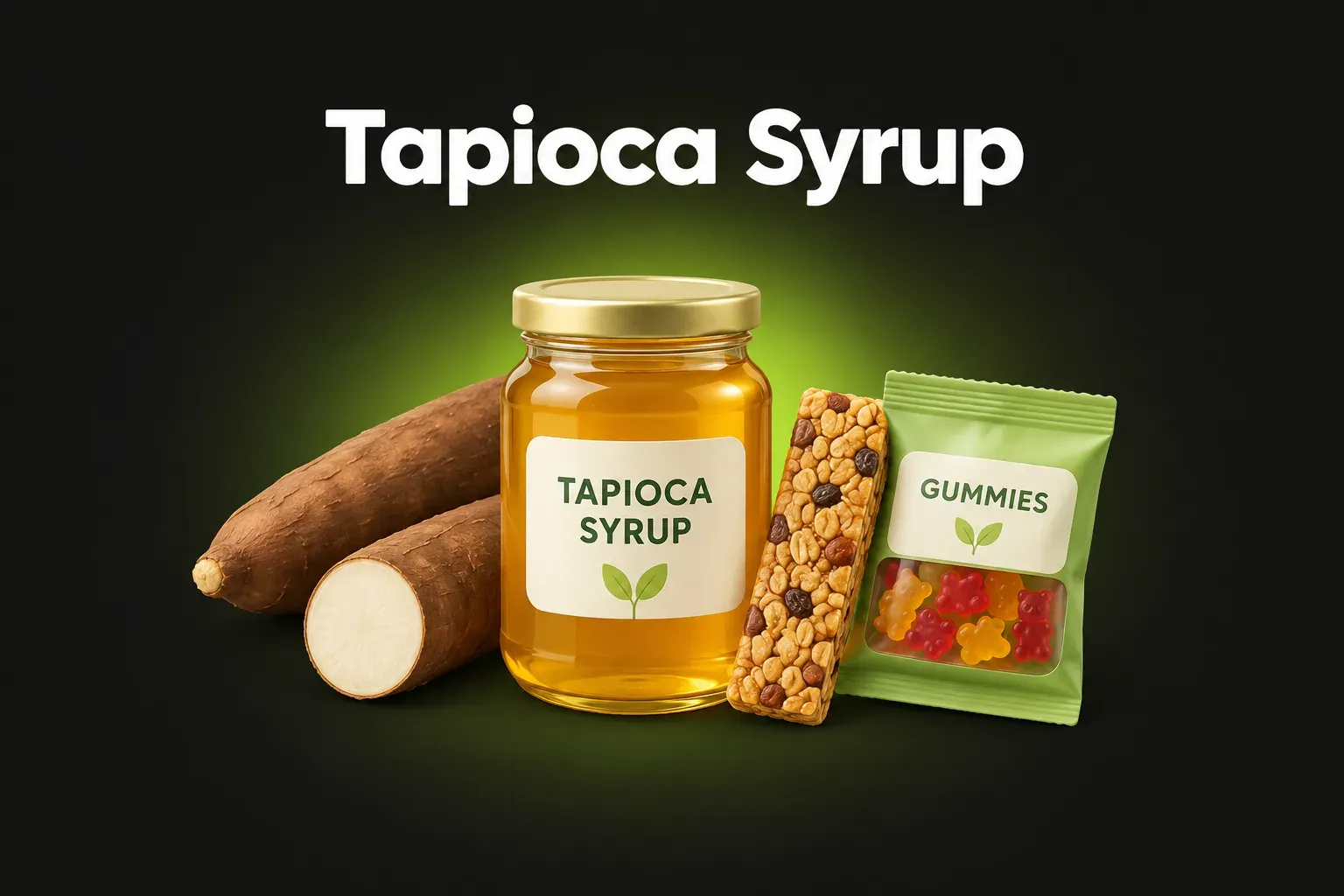
Tapioca syrup shows up in a lot of “healthy” foods: organic granola bars, protein bars, gluten-free cereal, gummies and some plant-based milks. It sounds natural – but what is it really, and is it better than corn syrup or sugar?
The short answer: tapioca syrup is a sugar syrup made from cassava starch, much like corn syrup is made from corn. It’s mostly glucose and maltose, has about 60–70 calories per tablespoon, almost no nutrients and raises blood sugar quickly. It’s an added sugar – not worse than other sugars, but not healthier either. Companies often use it because it can be organic and non-GMO and doesn’t sound like “corn syrup” on the label.
What is tapioca syrup?
Tapioca comes from the cassava root (also called yuca or manioc), a starchy root grown in South America, Africa and Asia. To make the syrup:
- Starch is taken out of the cassava root.
- Enzymes break the starch into smaller sugars – mainly glucose and maltose.
- The liquid is filtered and boiled down into a clear, sticky syrup.
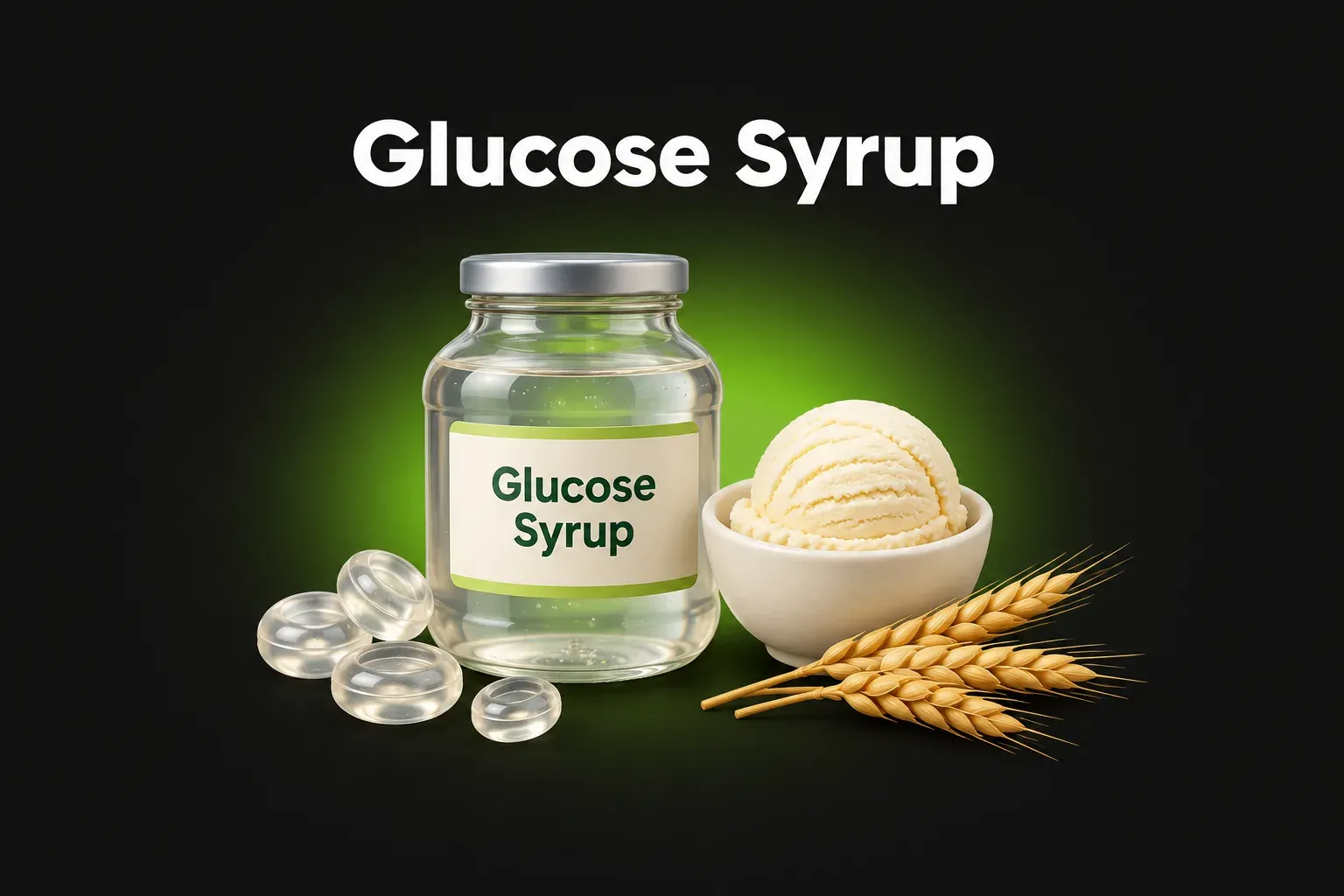
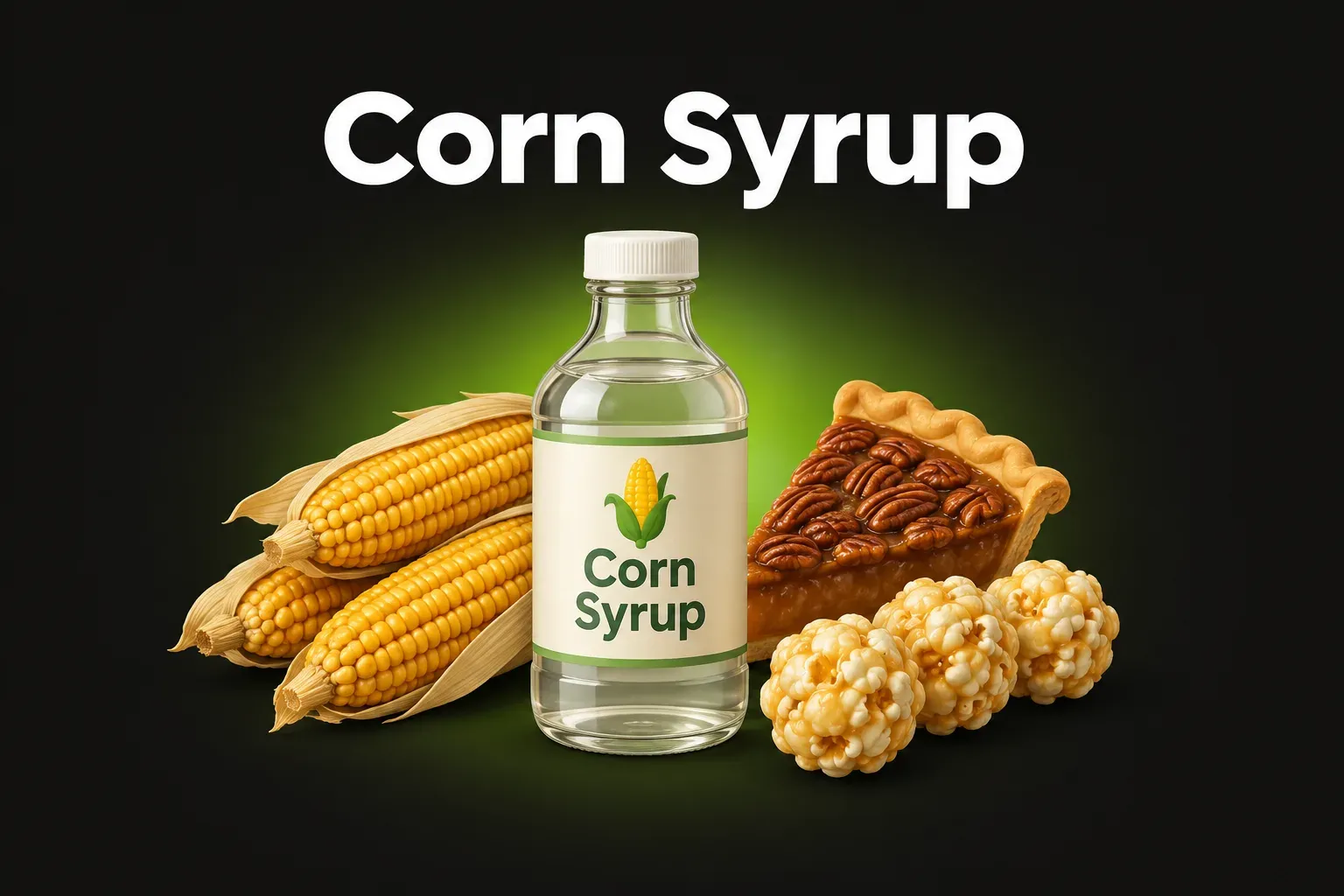
That’s the same process used to make glucose syrup and regular corn syrup. The only real difference is the plant the starch comes from. On labels you may see tapioca syrup, organic tapioca syrup, tapioca syrup solids (a dried form) or cassava syrup.
Why is it in so many “healthy” products?
- It binds: it’s sticky and holds bars and granola clusters together.
- It sounds better: “organic tapioca syrup” looks friendlier on the label than “corn syrup”.
- It’s organic and non-GMO: easy to find in organic form, unlike most US corn.
- It’s allergen-free: no gluten, nuts, soy or dairy.
- It’s less sweet than sugar, so it adds bulk without making a product too sweet.
You’ll often find it in granola and protein bars, gluten-free cereals, gummies and fruit snacks, plant-based milks and creamers, and baby and toddler snacks. See our guides to the healthiest protein bars and is granola healthy?
Tapioca syrup nutrition
Approximate values for 1 tablespoon (about 21 g).
| Nutrient | Amount |
|---|---|
| Calories | about 60–70 kcal |
| Carbohydrates | about 16–17 g |
| – of which sugars | about 8–16 g, depending on the type |
| Fiber, protein, fat | about 0 g |
| Vitamins and minerals | almost none |
Some tapioca syrups list fewer “sugars” on the label because part of the carbs are longer chains of glucose that don’t count as sugars. But your body breaks those down into glucose quickly too, so what matters is the total carbs.
Tapioca syrup vs corn syrup, sugar and honey
| Sweetener | Mostly made of | Raises blood sugar | Nutrients |
|---|---|---|---|
| Tapioca syrup | Glucose and maltose | Fast | Almost none |
| Corn syrup (glucose syrup) | Glucose and maltose | Fast | Almost none |
| High fructose corn syrup | Glucose and fructose | Medium | Almost none |
| Table sugar | Glucose + fructose | Medium | None |
| Honey | Fructose and glucose | Medium | Traces |
Tapioca syrup and corn syrup are nutritionally almost identical. Tapioca syrup has an advantage over high fructose corn syrup only in having less fructose – but it raises blood sugar even faster, because glucose and maltose are absorbed quickly. Read more about dextrose and maltodextrin, which are made in a similar way.
Is tapioca syrup bad for you?
On its own, a little tapioca syrup isn’t dangerous. The problem is that it’s added sugar, and most people already eat too much of it. Diets high in added sugar are linked to weight gain, type 2 diabetes, fatty liver, heart disease and tooth decay.
The American Heart Association suggests no more than 25 g of added sugar a day for most women and 36 g for most men. A single granola or protein bar sweetened with tapioca syrup can have 8–15 g – a third to half of that.
If you have diabetes or watch your blood sugar, count tapioca syrup like any other sugar – or a bit worse, because glucose and maltose are absorbed fast. Read more about low glycemic index foods.
How to spot tapioca syrup and other hidden sugars
- Read the ingredient list – look for tapioca syrup, tapioca syrup solids, cassava syrup, brown rice syrup and glucose syrup.
- Check “added sugars” on the US Nutrition Facts label – tapioca syrup counts as added sugar.
- Don’t trust “organic” or “no refined sugar” claims – organic syrup is still sugar.
- Count all the sweeteners: many bars use two or three (tapioca syrup, cane sugar, honey…).
- Choose products with fewer than 5–6 g of added sugar per serving when you can.
Spot hidden sugars in seconds. With NutriSmart, you scan the barcode or photograph the ingredient list, and the app flags tapioca syrup and other added sugars, explains each ingredient and gives the product a health score out of 100.Get the app free
The bottom line
Tapioca syrup is a glucose syrup made from cassava starch – basically the cassava version of corn syrup. It’s an added sugar with about 60–70 calories per tablespoon and almost no nutrients, and it raises blood sugar quickly. It’s popular in organic and gluten-free products because it sounds better on the label, but it isn’t healthier. Count it as sugar and choose products with less of it.
FAQ
What is tapioca syrup?
Tapioca syrup is a sweet syrup made from the starch of the cassava root. Enzymes break the starch down into glucose and maltose, much like corn syrup is made from corn starch. It's used as a sweetener and binder in bars, granola, cereal, gummies and some plant-based drinks.
Is tapioca syrup healthy?
Not really. It's an added sugar, with about 60–70 calories per tablespoon and no fiber, vitamins or protein worth mentioning. It's mostly glucose and maltose, so it raises blood sugar quickly. It isn't worse than other sugars, but it isn't better either.
Is tapioca syrup better than corn syrup?
Nutritionally, they're nearly the same: both are glucose syrups made from starch. Tapioca syrup is often chosen because it can be organic, non-GMO and doesn't sound like "corn syrup" on the label. It also has little fructose, unlike high fructose corn syrup.
Does tapioca syrup raise blood sugar?
Yes. It's made mostly of glucose and maltose, which are absorbed quickly, so it raises blood sugar faster than table sugar. People with diabetes should count it like any other sugar.
Is tapioca syrup the same as tapioca fiber?
No. Tapioca syrup is sugar. "Soluble tapioca fiber" or "tapioca fiber" is usually a mix of isomaltooligosaccharides (IMO), which is partly digested and can still raise blood sugar. Check the label for added sugars and total carbs.
Is tapioca syrup gluten-free?
Yes. Cassava doesn't contain gluten, so tapioca syrup is gluten-free and free of the major allergens. That's one reason it's popular in allergy-friendly and gluten-free products.