Foods High in Potassium: 20 Best Sources (Chart)
The foods highest in potassium per serving – beans, potatoes, leafy greens, dried fruit – how much you need, its effect on blood pressure and who should be careful.
Potassium doesn’t get much attention, but it’s very important. It keeps your heart beating steadily, lets your muscles and nerves work, and helps lower blood pressure. Yet most Americans don’t get enough, especially if they eat few vegetables, fruits and beans. Here are the foods highest in potassium.
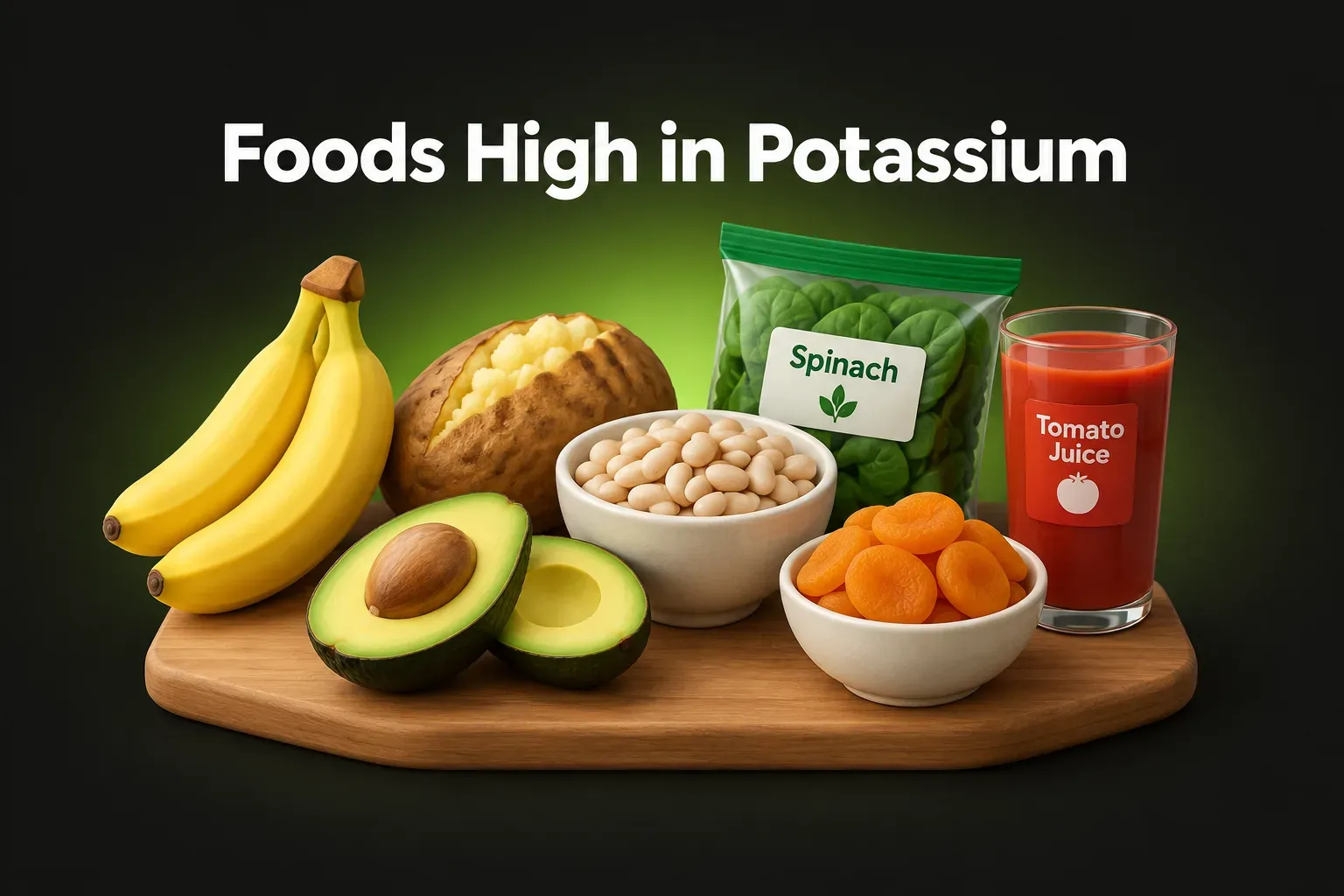
The short answer: the best sources are beans and lentils, potatoes and sweet potatoes with the skin, leafy greens (spinach, beet greens), dried fruit (apricots, prunes, raisins), avocado and tomato products. Bananas are a good source, but not the best. The US recommends 3,400 mg a day for men and 2,600 mg for women. Eating more potassium lowers blood pressure, and people who eat more have fewer strokes. Just be careful if you have kidney disease or take certain blood pressure medicines.
20 foods high in potassium (per serving)
The values below are approximate, from the US Department of Agriculture and the National Institutes of Health (NIH Office of Dietary Supplements). The %DV column shows how much of the 4,700 mg Daily Value on food labels one serving gives you.
| Food | Serving | Potassium | %DV |
|---|---|---|---|
| Beet greens, cooked | 1 cup | 1,309 mg | 28% |
| White beans, canned | 1 cup | 1,189 mg | 25% |
| Potato, baked with skin | 1 medium | 926 mg | 20% |
| Spinach, cooked | 1 cup | 839 mg | 18% |
| Dried apricots | ½ cup | 755 mg | 16% |
| Lentils, cooked | 1 cup | 731 mg | 16% |
| Prunes | ½ cup | 699 mg | 15% |
| Tomato paste | ¼ cup | 664 mg | 14% |
| Raisins | ½ cup | 618 mg | 13% |
| Kidney beans, canned | 1 cup | 607 mg | 13% |
| Coconut water | 1 cup | 600 mg | 13% |
| Sweet potato, baked | 1 medium | 542 mg | 12% |
| Orange juice | 1 cup | 496 mg | 11% |
| Avocado | ½ fruit | 485 mg | 10% |
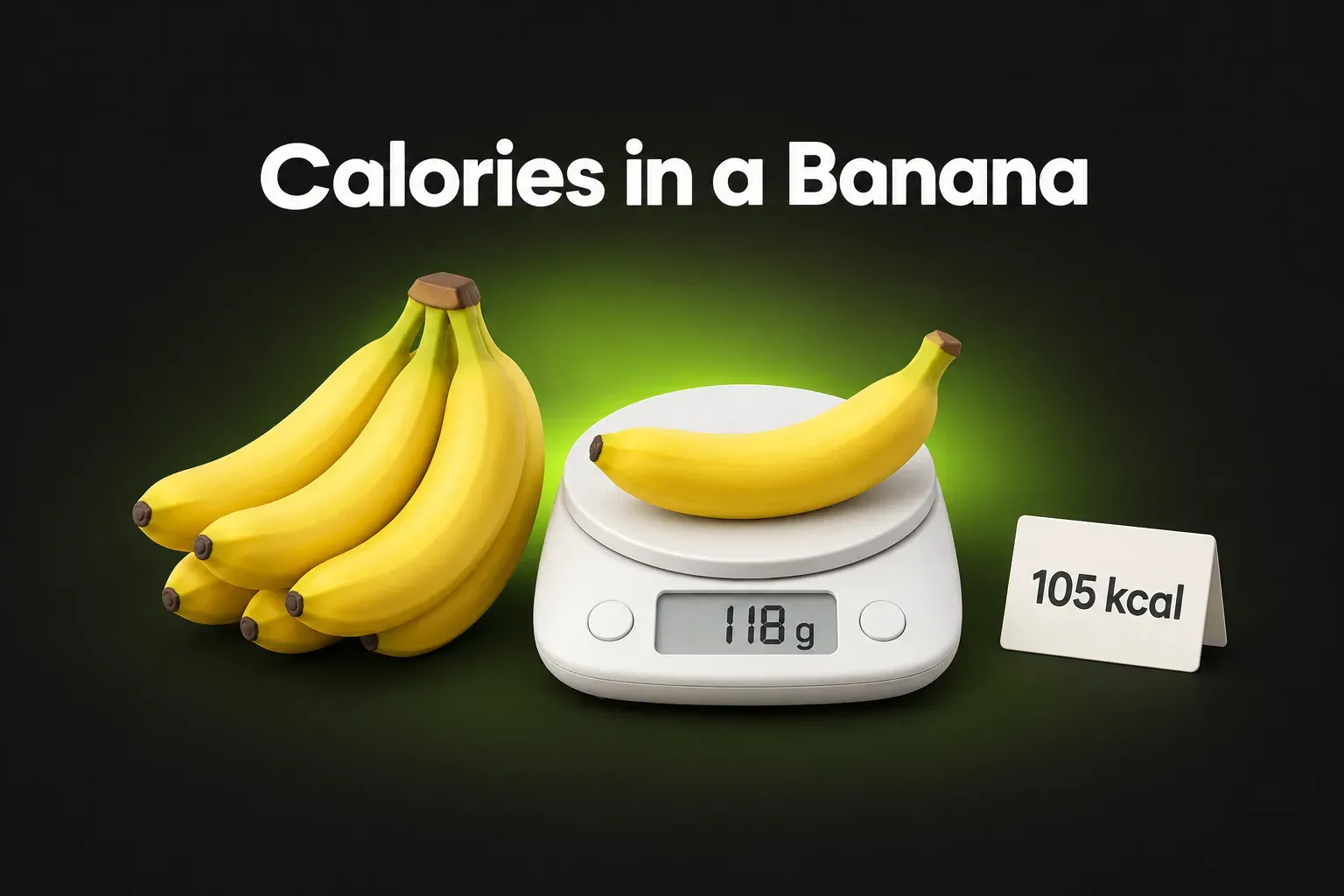
| Banana | 1 medium | 422 mg | 9% |
| Milk (1%) | 1 cup | 366 mg | 8% |
| Chicken breast | 3 oz | 332 mg | 7% |
| Salmon | 3 oz | 326 mg | 7% |
| Pistachios | 1 oz | 285 mg | 6% |
| Broccoli, cooked | ½ cup | 229 mg | 5% |
A few tips:
- Keep the skin on potatoes and bake or steam them. If you boil them, some of the potassium goes into the water.
- Dried fruit is rich in potassium, but also in sugar and calories. A small handful is enough.
- Fruit juice has potassium too, but whole fruit is better: it has fiber and fills you up more.
To see how many calories are in a banana, read our article on calories in a banana.
How much potassium do you need?
In 2019, the US National Academies set these amounts for adults (NIH Office of Dietary Supplements):
| Group | Potassium per day |
|---|---|
| Men | 3,400 mg |
| Women | 2,600 mg |
| Pregnant women | 2,900 mg |
| Breastfeeding women | 2,800 mg |
The Daily Value on food labels is higher, 4,700 mg. Since 2020, potassium has to be listed on the Nutrition Facts label, so you can check it on packaged foods.
Here’s an example of a day with more than 4,000 mg:
| Meal | What you eat | Potassium |
|---|---|---|
| Breakfast | Oatmeal with 1 cup of milk and a banana | about 900 mg |
| Snack | A small handful of dried apricots (¼ cup) | about 380 mg |
| Lunch | White bean and tomato salad (1 cup beans) | about 1,400 mg |
| Dinner | 3 oz salmon, a baked potato with skin and 1 cup of cooked spinach | about 2,100 mg |
| Total | about 4,800 mg |
Why potassium matters: what the research says
Blood pressure and stroke
A review in the BMJ combined 22 trials and studies with over 127,000 people. Eating more potassium lowered systolic blood pressure by about 3.5 mmHg in adults, and more in people with high blood pressure. In studies that followed people over time, those who ate more potassium had 24% fewer strokes (Aburto et al., BMJ, 2013).
Less salt, more potassium
Potassium works partly by balancing the effects of sodium (salt). In a large trial in 600 villages in China, almost 21,000 people at high risk swapped their regular salt for a salt substitute made of 75% regular salt and 25% potassium chloride. Over about five years, they had 14% fewer strokes, 13% fewer heart and blood vessel events and 12% fewer deaths than with regular salt (Neal et al., New England Journal of Medicine, 2021). Careful: salt substitutes aren’t for people with kidney disease.
Muscles and heart
Without potassium, muscles – including your heart – can’t contract, and nerves can’t send signals. A real shortage can cause cramps, weakness and an irregular heartbeat.
Careful: when potassium can be dangerous
In a healthy person, the kidneys get rid of extra potassium, so it’s almost impossible to get too much from food. But be careful if:
- you have kidney disease
- you take medicines for blood pressure or heart failure, such as ACE inhibitors, ARBs or potassium-sparing diuretics
- you’re thinking about potassium supplements or salt substitutes made with potassium chloride
In these cases, potassium can build up in the blood (hyperkalemia) and cause serious heart rhythm problems. Talk to your doctor before changing your intake or taking supplements.
How to eat more potassium
- Eat at least 5 servings of fruit and vegetables a day, including leafy greens.
- Eat beans and lentils several times a week – in soups, chili, salads or tacos.
- Keep the skin on potatoes and bake or steam them.
- Snack on a little dried fruit or nuts instead of chips or cookies.
- Eat less salt and fewer ultra-processed foods. They bring a lot of sodium and little potassium. Read more about ultra-processed foods.
- Choose food over supplements, unless your doctor tells you otherwise.
Keep track of what you eat. With NutriSmart, you snap a photo of what you eat and the app counts calories, protein, carbs, fat and fiber, and shows how you’re doing against your daily goal.Get the app free
More nutrient-rich food lists: foods high in vitamin D, foods high in iron, high-fiber foods and high protein foods.
The bottom line
Potassium is found mostly in beans, lentils, potatoes with the skin, leafy greens, dried fruit, avocado and tomato products. Bananas are a good source, but not the best. Men need about 3,400 mg a day and women about 2,600 mg. Eating more lowers blood pressure, and people who eat more have fewer strokes. Choose food over supplements, and talk to your doctor if you have kidney disease or take blood pressure medicine.
FAQ
What foods are highest in potassium?
Per serving, some of the richest are cooked beet greens (about 1,300 mg per cup), white beans (about 1,190 mg per cup), a baked potato with skin (about 925 mg), cooked spinach (about 840 mg per cup), dried apricots, lentils, prunes, tomato paste and raisins. A banana has about 420 mg – good, but far from the top.
How much potassium do I need a day?
In the US, the recommended amount is 3,400 mg a day for men and 2,600 mg for women. The Daily Value on food labels is 4,700 mg. Most Americans get less than they should, mainly because they eat few vegetables, fruit and beans.
Are bananas the best source of potassium?
No. A medium banana has about 420 mg of potassium, which is good. But a baked potato with skin, a cup of white beans, cooked spinach, dried apricots and lentils all have more per serving.
Does potassium lower blood pressure?
Yes. Researchers combined 22 trials and found that eating more potassium lowered systolic blood pressure by about 3.5 mmHg in adults, and more in people with high blood pressure. In studies that followed people over time, those who ate more potassium had 24% fewer strokes.
Can you get too much potassium?
From food, it's very rare if your kidneys work well. But with kidney disease or some medicines (ACE inhibitors, ARBs, potassium-sparing diuretics), potassium can build up in the blood, which is dangerous for the heart. Don't take potassium supplements or salt substitutes without asking your doctor.
What are the symptoms of low potassium?
A real shortage (hypokalemia) can cause tiredness, weak muscles, cramps, constipation and an irregular heartbeat. It's almost always caused by vomiting, diarrhea or diuretics, not by diet alone. Only a blood test can confirm it.