Is Sunflower Oil Healthy? High Oleic vs Regular
What sunflower oil is, the difference between regular and high oleic sunflower oil, its omega-6 and vitamin E content, what happens when you fry with it, and how to choose.
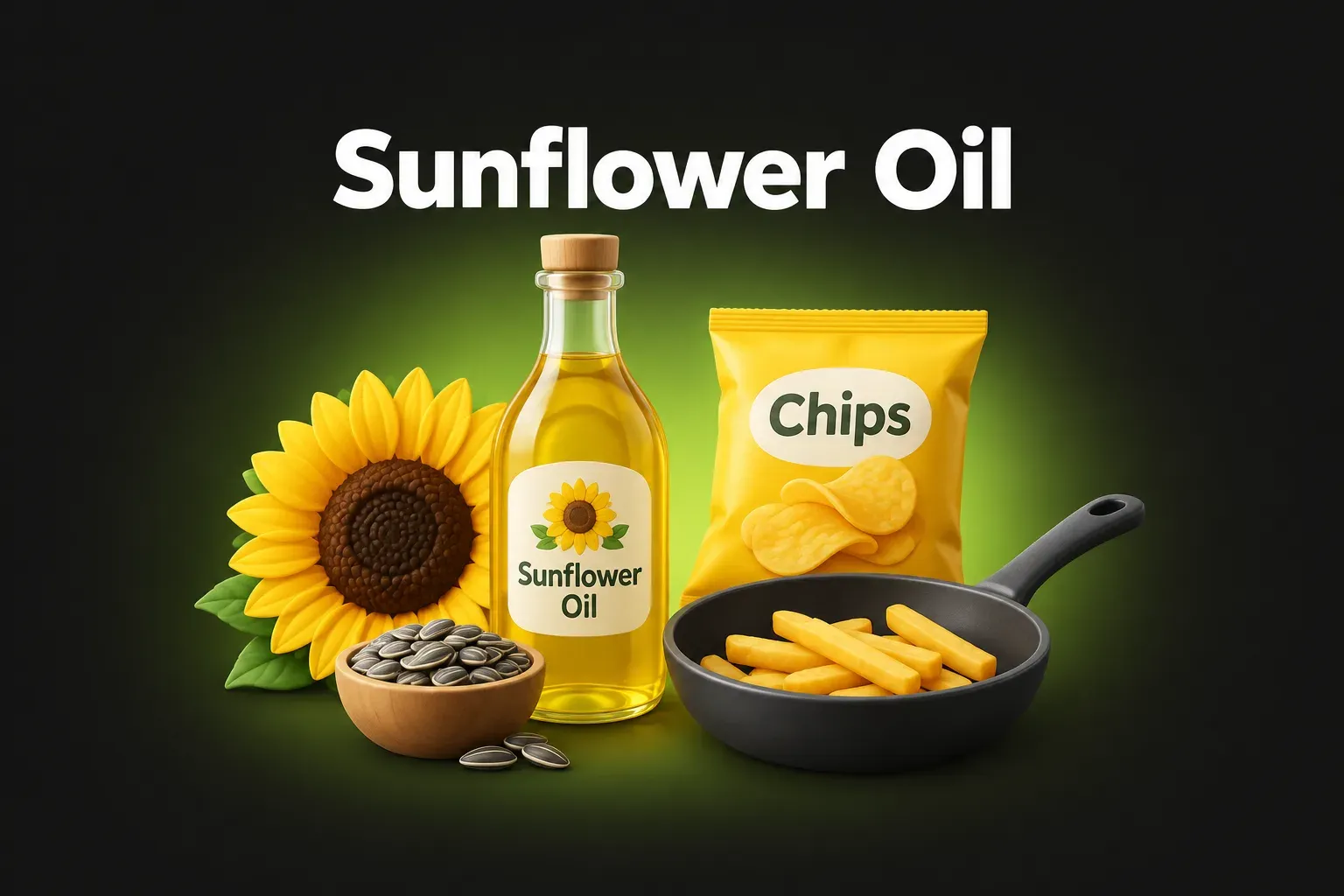
Sunflower oil is one of the most used oils in the world. It’s in home kitchens, restaurants and the ingredient lists of chips, crackers and baked goods. But not all sunflower oil is the same. There are two very different types, and which one you use matters for your health.
The short answer: regular sunflower oil is very high in omega-6 fat and breaks down easily. When used for frying, it makes harmful substances called aldehydes. High oleic sunflower oil is mostly monounsaturated fat, like olive oil. It holds up well when heated. Using it instead of butter is linked to better cholesterol. Both are rich in vitamin E. For cooking, choose high oleic – and eat fried foods rarely.
What is sunflower oil?
Sunflower oil is made from sunflower seeds. Most sunflower oil in supermarkets is refined. The oil is pulled out with a chemical, then cleaned, bleached and has its smell removed. This makes it clear with a plain taste. Cold-pressed sunflower oil is simply pressed. It keeps more of its natural taste and nutrients.
The types of sunflower oil
| Type | Monounsaturated (oleic) | Omega-6 (linoleic) | Best for |
|---|---|---|---|
| Regular (high linoleic) | about 20% | about 65% | Dressings, low-heat cooking |
| Mid oleic | about 65% | about 25% | Packaged foods, frying |
| High oleic | about 80% | under 10% | Frying, roasting, baking |
High oleic sunflower oil comes from sunflowers bred (not genetically modified) to make mostly oleic acid – the main fat in olive oil. Many snack companies now use it because it doesn’t go bad as quickly. On labels it’s usually called “high oleic sunflower oil”. If it just says “sunflower oil”, it’s often the regular kind.
Nutrition: sunflower oil vs other fats
| Fat (per 100 g) | Saturated | Monounsaturated | Polyunsaturated | Vitamin E |
|---|---|---|---|---|
| Regular sunflower oil | 10 g | 20 g | 66 g | 41 mg |
| High oleic sunflower oil | 10 g | 84 g | 4 g | 41 mg |
| Olive oil | 14 g | 73 g | 11 g | 14 mg |
| Canola oil | 7 g | 63 g | 28 g | 17 mg |
| Butter | 51 g | 21 g | 3 g | 2 mg |
Sunflower oil is one of the best sources of vitamin E, which protects your cells. Like every oil, it has about 880 calories per 100 g – about 120 per tablespoon.
Is sunflower oil healthy? What the research says
Frying and harmful aldehydes
Oils rich in polyunsaturated fat – like regular sunflower oil – break down when heated. They form aldehydes, substances that can damage cells and DNA. Scientists at De Montfort University in the UK tested oils during frying. Oils rich in polyunsaturated fat made the most aldehydes – much more than oils rich in monounsaturated fat. These aldehydes also get into the fried food (Moumtaz et al., Scientific Reports, 2019). Using the same oil many times, as many restaurants and fast food places do, makes it worse.
High oleic sunflower oil breaks down much less. That’s why it’s a better choice for frying, roasting and baking.
Omega-6 and the heart
Using plant oils instead of butter and other saturated fats usually lowers LDL cholesterol. It’s also linked to fewer heart attacks. But for oils very high in omega-6, the proof is less clear:
- The Sydney Diet Heart Study looked at men with heart disease. Some swapped saturated fat for safflower oil, which is very high in omega-6, like regular sunflower oil. These men died more often than the men who didn’t change their diet. The scientists said the benefits of omega-6 “have not been established” (Ramsden et al., BMJ, 2013).
- On the other hand, a large 2025 Harvard study found that people who ate more plant oils overall were less likely to die than those who ate more butter. Read more in our guide to seed oils.
High oleic oils avoid this debate. The FDA lets them say on the label that using them instead of saturated fat may lower the risk of heart disease.
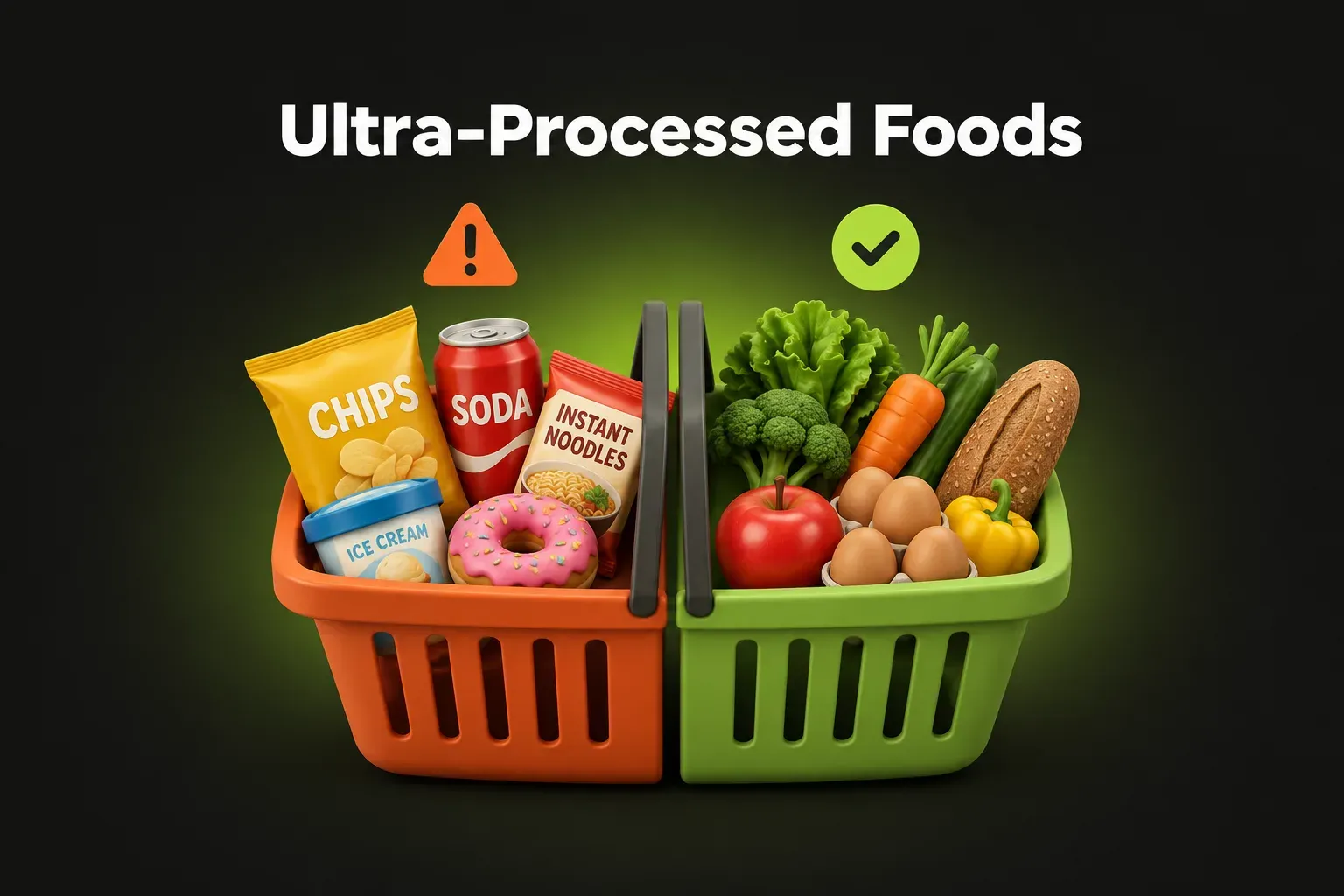
Ultra-processed foods
Much of the sunflower oil people eat comes from chips, crackers, cookies, fried foods and ready meals. These ultra-processed foods are linked to weight gain and long-term disease. That’s not mainly because of the oil, but because of everything else in them too.
Sunflower oil vs olive oil
| Regular sunflower | High oleic sunflower | Extra virgin olive | |
|---|---|---|---|
| Main fat | Omega‑6 | Monounsaturated | Monounsaturated |
| Good for frying | No | Yes | Yes |
| Vitamin E | High | High | Medium |
| Polyphenols (antioxidants) | Few | Few | Many |
| Taste | Neutral | Neutral | Fruity, peppery |
| Proof for heart health | Mixed | Good | Strongest |
How to use sunflower oil well
- Buy high oleic sunflower oil for frying, roasting and baking – check the label.
- Use regular sunflower oil only for dressings and low-heat cooking, if at all.
- Never reuse frying oil many times, and don’t heat it until it smokes.
- Store oil in a cool, dark place and use it within a few months of opening – it goes bad.
- Make extra virgin olive oil your main oil for dressings and everyday cooking when you can.
- Cut back on fried and ultra-processed foods – that’s where most sunflower oil in our diets comes from.
Spot sunflower oil on any label in seconds. With NutriSmart, you photograph the ingredient list or scan the barcode, and the app tells you right away if the product has sunflower oil. Turn on an alert for it, and the app warns you every time a product you scan contains it. You’ll also see every other additive, the risks of each one and a health score out of 100.Get the app free
You can also read about other oils: canola oil, seed oils and palm oil.
The bottom line
Not all sunflower oil is the same. Regular sunflower oil is very high in omega-6 and forms harmful aldehydes when used for frying. High oleic sunflower oil is mostly monounsaturated fat and holds up well when heated. Using it instead of butter is linked to better cholesterol. Both are rich in vitamin E. Choose high oleic for cooking, use olive oil as your main oil when you can, and eat fried and ultra-processed foods rarely.
FAQ
Is sunflower oil healthy?
It depends on the type. High oleic sunflower oil is mostly monounsaturated fat, like olive oil. It doesn't break down easily when heated, and it's linked to better cholesterol than butter. Regular sunflower oil is very high in omega-6. When used for frying, it breaks down into harmful substances called aldehydes. Both are rich in vitamin E. Choose high oleic for cooking and eat fried foods rarely.
What is high oleic sunflower oil?
High oleic sunflower oil comes from sunflowers bred to make mostly oleic acid. That's the same healthy fat found in olive oil. It's about 80% monounsaturated fat and has very little omega-6. So it lasts longer and holds up better when you cook with it. It's now used in many packaged snacks.
Is sunflower oil inflammatory?
Studies in people don't show that sunflower oil causes inflammation by itself. But regular sunflower oil is one of the richest sources of omega-6. The worries are mostly about eating too much of it from fried and ultra-processed foods. They're also about the harmful substances that form when it's heated again and again.
Is sunflower oil good for frying?
Refined sunflower oil can get very hot before it smokes. But regular sunflower oil breaks down easily and makes a lot of harmful aldehydes when used for frying, especially when it's reused. High oleic sunflower oil breaks down much less and is a better choice for frying.
Is sunflower oil better than olive oil?
Extra virgin olive oil has the strongest proof for heart health. It also has antioxidants (substances that protect cells) that refined sunflower oil lacks. High oleic sunflower oil has fats similar to olive oil and a plain taste. So it's a good second choice, especially for cooking at high heat.
How much vitamin E is in sunflower oil?
About 41 mg per 100 g – one of the highest of any oil. One tablespoon (14 g) has about 5.6 mg, about 40% of what adults need each day.