Is Beef Jerky Healthy? Protein, Sodium and 8 Brands
Is beef jerky healthy? Protein, sodium, sugar and nitrites per ounce, 8 popular brands compared, the best picks and smarter high-protein swaps.
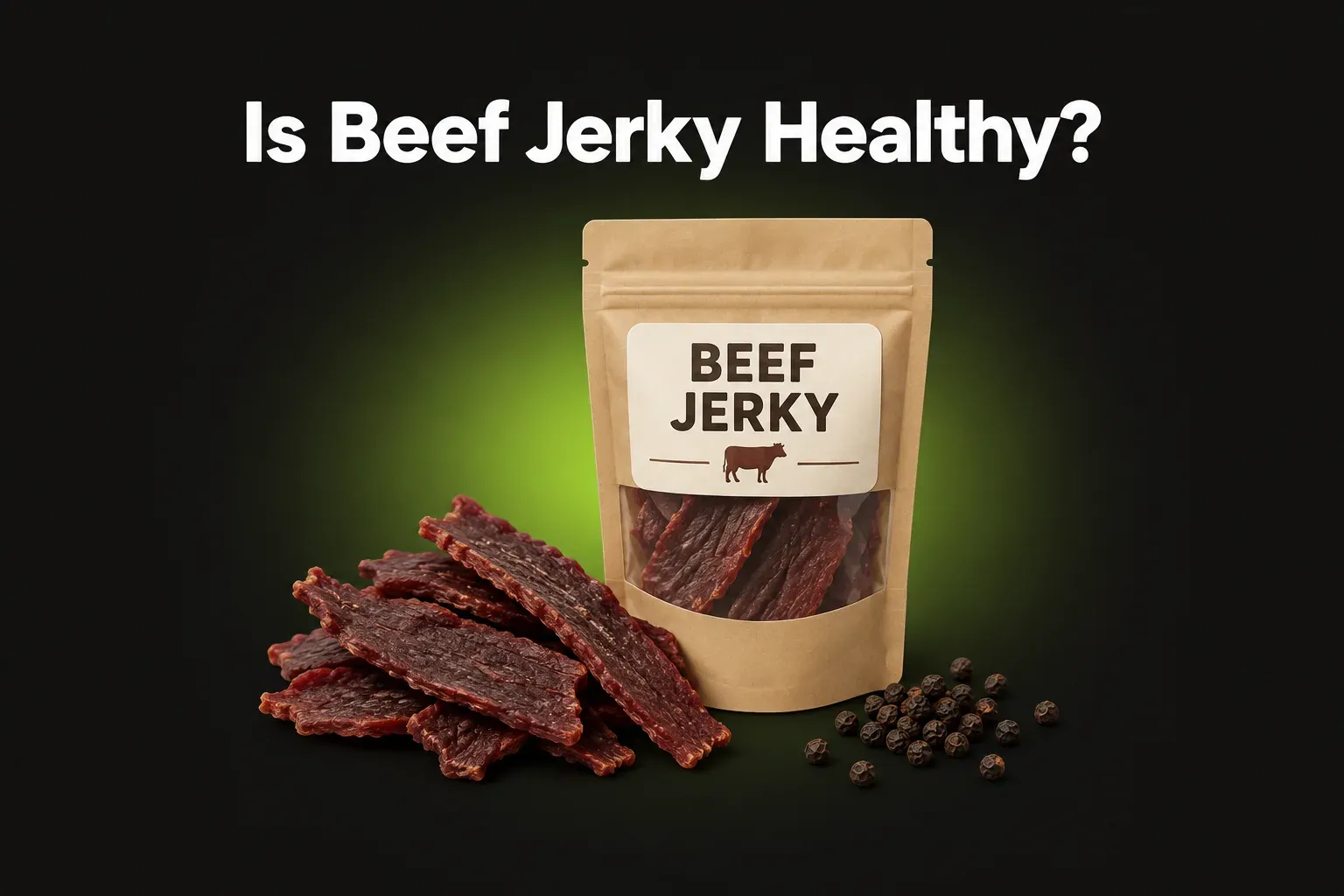
Beef jerky is the go-to snack for road trips, hikes and the gym bag. It’s high in protein and keeps for months. But is beef jerky healthy?
The short answer: it’s okay in small amounts, but it’s not a health food. One ounce (28 g) has about 70–100 calories and 8–18 g of protein, with very little fat. The catch is salt: the brands we checked have 300–590 mg of sodium per ounce. Many add sugar, soy sauce and flavor boosters. And jerky is a processed meat, which the WHO’s cancer agency links to colorectal cancer. Eat one ounce now and then. Pick a brand with little sugar and less salt, and get most of your protein from fresh foods.
What’s in 1 oz of beef jerky
Jerky is lean beef that is sliced thin, marinated and dried. Drying removes water, so the nutrients get packed into a small, light piece.
Here is what the USDA lists for 1 oz (28 g) of generic beef jerky (the chopped-and-formed kind):
| Per 1 oz (28 g) | Amount |
|---|---|
| Calories | 116 |
| Protein | 9.4 g |
| Fat | 7.3 g |
| Sodium | 505 mg |
| Iron | 1.5 mg (9% DV) |
| Zinc | 2.3 mg (21% DV) |
| Vitamin B12 | 0.3 µg (12% DV) |
Source: USDA FoodData Central, “Snacks, beef jerky, chopped and formed”. DV = Daily Value.
Jerky made from whole slices of meat is leaner. The big brands we checked have 0.5–2.5 g of fat per ounce. Meat sticks and bars like Chomps and Epic are fattier, with 7–9 g.
The good parts:
- Protein. It helps you feel full and keeps your muscles strong.
- Zinc and iron. Beef has the kind of iron your body absorbs best.
- Lots of protein for the calories. A good jerky gives more protein per calorie than chips, crackers or most granola bars.
The not-so-good parts:
- Lots of sodium in a small serving.
- Added sugar in many flavors – up to 9 g per ounce.
- Curing agents like celery powder in many brands.
- It’s a processed meat.
8 popular beef jerky brands compared
We looked at the “Original” flavor from 8 brands sold across the US. Values are per serving, as printed on the label.
| Product (serving) | Calories | Protein | Sugar | Sodium | Nitrite source |
|---|---|---|---|---|---|
| Jack Link’s Original (1 oz) | 80 | 10 g | 6 g | 520 mg | Celery extract |
| Oberto Original (1 oz) | 70 | 12 g | 6 g | 590 mg | Celery powder |
| Chef’s Cut Original Recipe (1 oz) | 90 | 10 g | 6 g | 340 mg | Celery powder |
| Country Archer Original (1 oz) | 70 | 9 g | 4 g | 420 mg | None listed |
| Krave Sea Salt Original (1 oz) | 80 | 8 g | 9 g | 300 mg | None listed |
| People’s Choice Old Fashioned Original (1 oz) | 100 | 18 g | 0 g | 300 mg | None listed |
| Chomps Original beef stick (1.15 oz) | 100 | 10 g | 0 g | 380 mg | Celery |
| Epic Beef Sea Salt + Pepper bar (1.3 oz) | 130 | 10 g | 0 g | 550 mg | Celery powder |
Sources: Jack Link’s and Oberto label photos on Open Food Facts; brand sites for Chef’s Cut, Country Archer, Krave, People’s Choice, Chomps and Epic. Recipes change, so check the bag.
What stands out:
- People’s Choice Old Fashioned Original has the most protein (18 g) and no sugar. It ties with Krave for the least sodium. Its ingredients are just beef, water, sea salt, spices and garlic.
- Country Archer Original has only 4 g of sugar and no curing agent. It uses grass-fed beef, gluten-free soy sauce (tamari), brown sugar, pineapple juice and spices.
- Oberto has the most sodium per ounce (590 mg), then Jack Link’s (520 mg). The Epic bar has 550 mg, but its serving is bigger.
- Krave has the most sugar: 9 g per ounce, from cane sugar and honey.
- Jack Link’s lists sugar, brown sugar, soy sauce, hydrolyzed corn protein, yeast extract and cultured celery extract.
The salt problem
The daily limit for sodium is 2,300 mg. One ounce of jerky gives you 13–26% of that. But few people stop at one ounce.
A 2.85 oz bag of Jack Link’s Original has about 1,480 mg of sodium. That’s almost two-thirds of a day’s limit in one snack.
Too much salt raises blood pressure. A big review pooled 34 trials with over 3,000 people. They ate about 4.4 g less salt a day for at least four weeks. Their blood pressure went down. It worked in people with and without high blood pressure (He et al., BMJ, 2013).
Tip: treat one bag as 2–3 servings. Pour one ounce into a bowl and put the bag away.
Sugar in jerky
Most “Original” jerky is sweet. Brands add sugar, brown sugar, honey or molasses to the marinade.
- Krave Sea Salt Original: 9 g per ounce, about 22 g in a 2.5 oz bag.
- Jack Link’s, Oberto and Chef’s Cut: 6 g per ounce.
- People’s Choice Old Fashioned, Chomps and Epic: 0 g.
The American Heart Association says women should keep added sugar to about 25 g a day (6 teaspoons). For men, the limit is about 36 g (9 teaspoons). One bag of Krave covers most of a woman’s daily limit.
Nitrites and “uncured” celery powder
Cured meat is often made with sodium nitrite. It stops harmful bacteria, keeps meat red and adds that “cured” taste.
None of the 8 products we checked lists sodium nitrite. But five of them – Jack Link’s, Oberto, Chef’s Cut, Chomps and Epic – list celery (as powder or extract). Here’s why that matters:
- Celery is naturally rich in nitrate.
- A starter culture (helpful bacteria) turns that nitrate into nitrite.
- The result works just like added nitrite. Meat scientists at Iowa State say this makes meat with “very typical” cured traits (Sebranek & Bacus, Meat Science, 2007). They also note that the amount of nitrite made this way can’t be measured exactly.
So “uncured” or “no nitrates added” doesn’t mean nitrite-free. In the US, these labels usually add a note like “except those naturally occurring in celery powder.”
Why nitrite is a concern. In the stomach or at high heat, nitrite can react with protein. This forms nitrosamines. Many of them cause cancer in animals.
Animal studies. A French lab in Toulouse fed cured meat to rats. The rats first got a chemical that starts colon cancer.
- Rats ate cooked ham made with or without nitrite. The ham with nitrite, stored open to the air, caused more precancer spots in the colon (Santarelli et al., Cancer Prevention Research, 2010).
- In another test, store-bought hot dog made up 40% of the rats’ diet (dry weight). These rats had about 2.5 times as many precancer spots as rats that ate no meat (Santarelli et al., International Journal of Cancer, 2013).
A jerky study. Researchers at Johns Hopkins asked 1,101 people in Baltimore what they ate. Some had ever eaten nitrate-cured dry meat, like beef jerky or meat sticks. These people were about 3.5 times more likely to be in the hospital for mania. Mania is an extreme high-energy mood seen in bipolar disorder. Then the team fed rats 14 g of store-bought beef jerky with nitrate every other day. The rats became hyperactive. Their brain genes and gut bacteria also changed (Khambadkone et al., Molecular Psychiatry, 2020).
These rat doses are huge for their size. So why do these studies matter? Rats share most of our genes and body processes. And testing a possible cause of cancer on people would put their health at risk.
Studies in people. The French NutriNet-Santé study followed over 100,000 adults for about 7 years. People who got the most nitrite from additives had a 58% higher risk of prostate cancer than people who got none. The link was mainly with sodium nitrite (Chazelas et al., International Journal of Epidemiology, 2022).
Studies in people show links, not proof of cause. Still, several labs see the same signal. It makes sense to limit nitrite-cured meat as a precaution – including the celery-powder kind. Read more in our guide to nitrates and nitrites in food.
Processed meat and cancer
In 2015, the WHO’s cancer agency (IARC) put processed meat in Group 1. That’s its “causes cancer in humans” group. Processed meat is meat that is salted, cured, smoked or treated to keep longer – and jerky fits. Experts looked at over 800 studies. Each 50 g (1.75 oz) of processed meat a day raised colorectal cancer risk by about 18% (Bouvard et al., Lancet Oncology, 2015).
A review of 20 studies with over 1.2 million people found more. Each 50 g of processed meat a day was linked to a 42% higher risk of heart disease. It was also linked to a 19% higher risk of type 2 diabetes. Fresh red meat didn’t show the same links (Micha et al., Circulation, 2010).
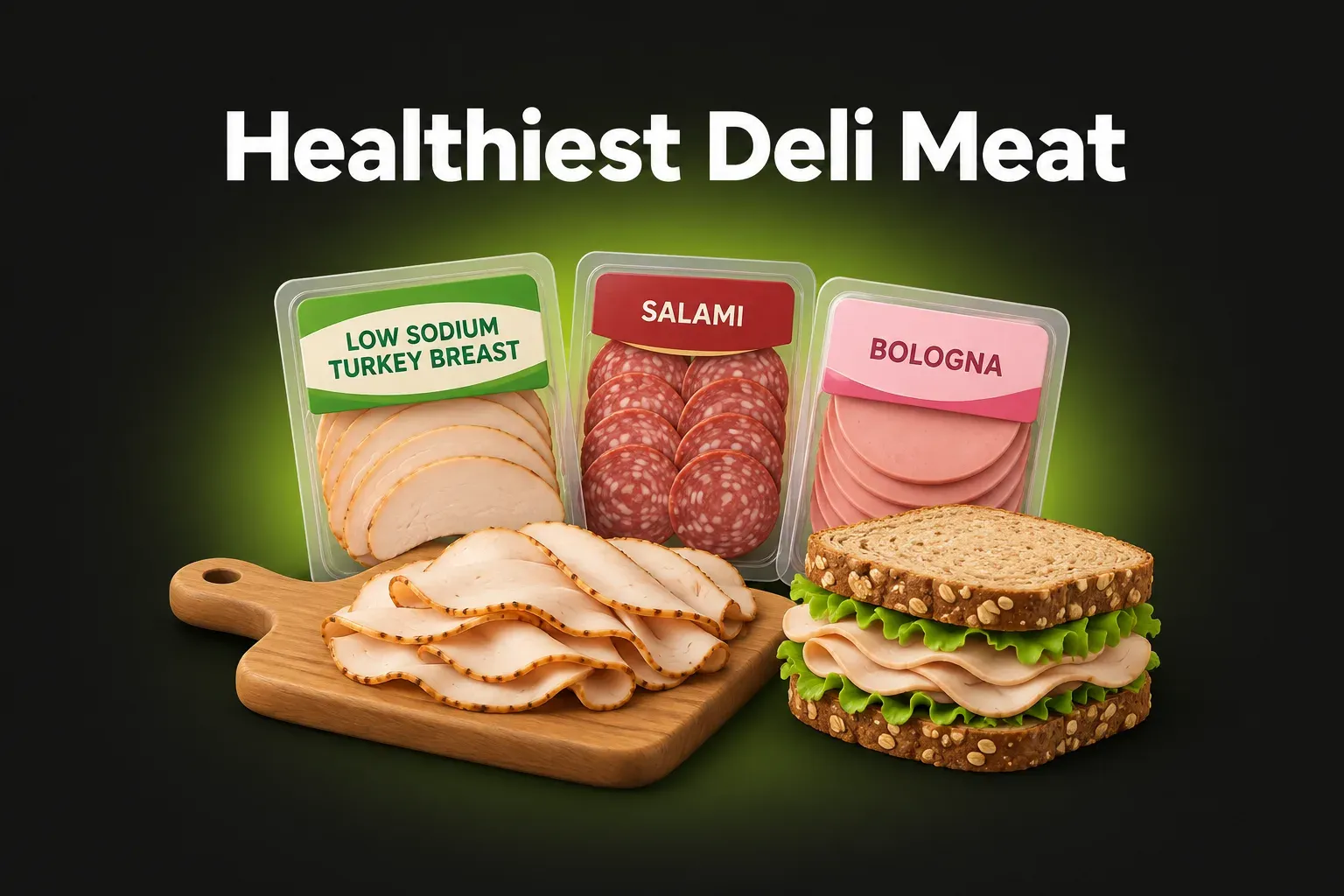
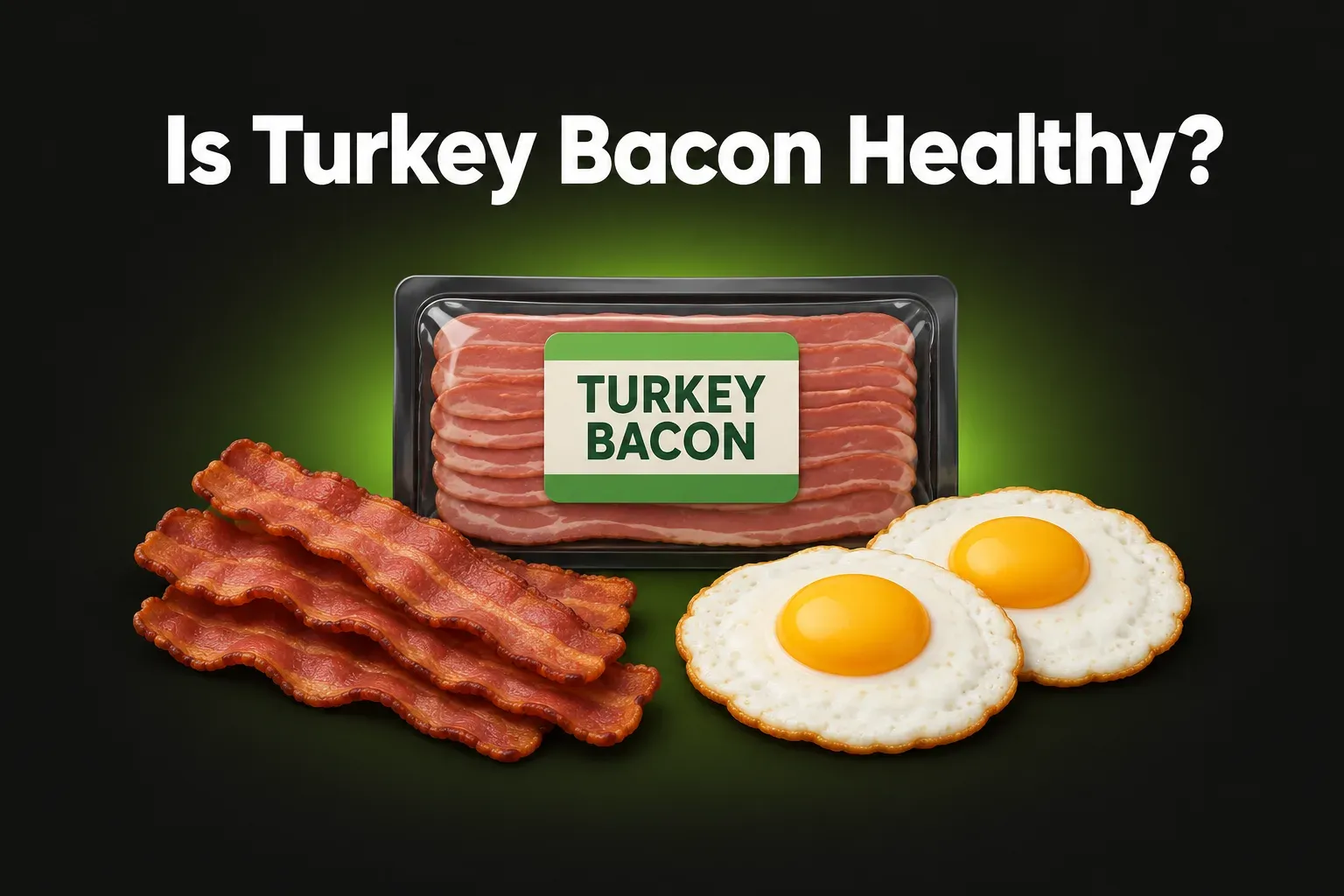
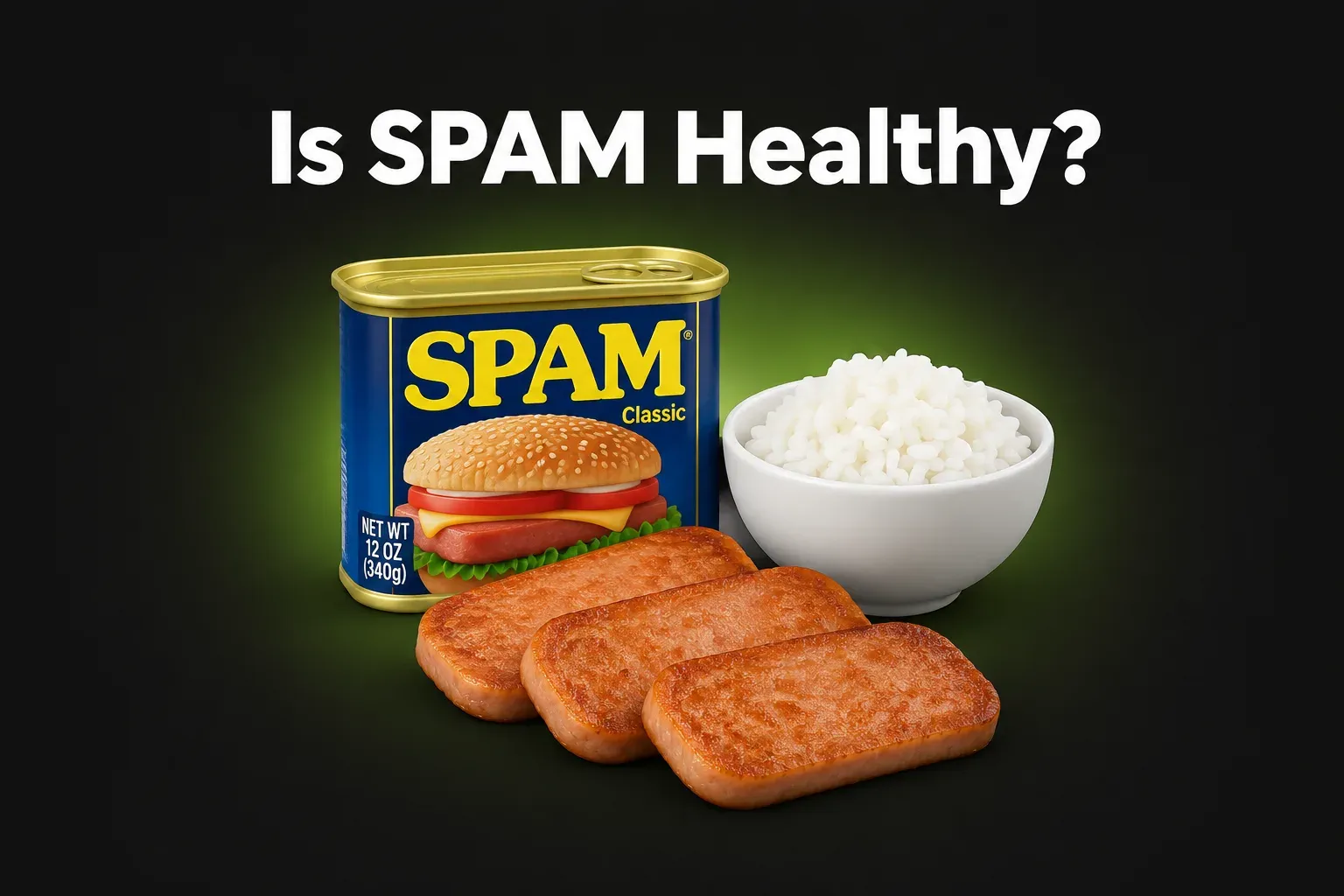
Group 1 means the proof is strong. It doesn’t mean jerky is as risky as smoking. The risk grows with how much and how often you eat it. We cover the same issue in is SPAM healthy, is turkey bacon healthy and in our guide to the healthiest deli meat.
MSG, soy sauce and flavor boosters
Many jerky labels say “no MSG added.” But look closer. Soy sauce, hydrolyzed corn protein and yeast extract all contain free glutamate. That’s the same flavor compound as in MSG. Jack Link’s Original lists all three. Chef’s Cut has hydrolyzed corn and soy protein in its soy sauce. Oberto lists yeast extract.
What does the research say?
- People. A trial at several US centers tested 130 people who thought they reacted to MSG. They got 5 g of MSG or a fake dose, without food. MSG caused more symptoms than the fake dose. But when people were tested again, the reactions often didn’t come back (Geha et al., Journal of Allergy and Clinical Immunology, 2000).
- Animals. A 2023 review looked at mouse and rat studies. MSG harmed nerve cells and caused short-term memory problems. But the doses were very high – often about 4 g per kilogram of body weight. Some animals got it as a shot, not in food (Ankul et al., Frontiers in Pharmacology, 2023).
Proof in humans is missing. The amounts in one ounce of jerky are small. But if you eat a lot of flavor-boosted snacks, cutting back is a reasonable precaution. Regular soy sauce also adds wheat and soy, which matters if you have an allergy. Learn more in our MSG guide.
Best picks: how to choose a healthier jerky
Use the label on the back, not the front of the bag. Look for:
- Sodium under 400 mg per ounce.
- 0–4 g of sugar per ounce.
- At least 10 g of protein per ounce.
- A short ingredient list: beef, salt, spices. Skip hydrolyzed proteins, maltodextrin and caramel color when you can.
- No sodium nitrite, and ideally no celery powder either.
Of the 8 we checked, People’s Choice Old Fashioned Original ticks every box. Country Archer Original comes close, with 9 g of protein and 4 g of sugar. Chomps has no sugar and a short list. But it uses celery and has more fat.
Most jerky and meat sticks count as ultra-processed food because of their additives and processing. The simplest brands are less processed than most.
Better swaps for beef jerky
Want protein on the go without the salt and curing? These swaps give similar or more protein with far less sodium.
| Snack | Calories | Protein | Sodium |
|---|---|---|---|
| Beef jerky, generic (1 oz) | 116 | 9.4 g | 505 mg |
| 2 hard-boiled eggs | 155 | 12.6 g | 124 mg |
| Plain nonfat Greek yogurt (6 oz / 170 g) | 100 | 17.3 g | 61 mg |
| Light tuna in water, drained (2 oz / 57 g) | 49 | 11 g | 141 mg |
| Roasted chicken breast (2 oz / 57 g) | 94 | 17.7 g | 42 mg |
| Grilled top round steak (2 oz / 57 g) | 95 | 17.2 g | 44 mg |
| Edamame, cooked (½ cup / 78 g) | 94 | 9.2 g | 5 mg |
Source: USDA FoodData Central – jerky, egg, Greek yogurt, tuna, chicken, top round steak, edamame.
Make your own jerky. Slice a lean cut like top round thin. Season it with pepper, garlic and a little salt. Then dry it in a dehydrator or a low oven. First heat the meat to 160°F (71°C) inside to kill germs, as food safety experts advise. You choose the salt and skip the sugar and curing agents. See our guide to the healthiest steak cuts for lean picks.
For more ideas, see our list of high protein snacks. Want another salty, meaty snack? Read are pork rinds healthy? Not sure how much protein you need? Try our protein calculator.
Check your beef jerky before you buy. With NutriSmart, you photograph the label or scan the barcode. The app lists the sweeteners, preservatives and colors, explains the risks of each one and gives the product a health score out of 100. It also tells you right away if a jerky is ultra-processed, and which ingredients make it so. Set an alert for sodium nitrite or celery powder, and the app warns you whenever a product you scan contains it.Get the app free
The bottom line
Beef jerky is a handy, high-protein snack, but it’s not a health food. One ounce gives about 70–100 calories and 8–18 g of protein. It also packs a lot of salt and often added sugar. Many brands get nitrite from celery. Jerky is a processed meat, which is linked to colorectal cancer, heart disease and diabetes. Enjoy it now and then, one ounce at a time. Choose brands with less sodium, little sugar and short ingredient lists. For everyday protein, eggs, Greek yogurt, tuna, chicken and edamame are better choices.
FAQ
Is beef jerky healthy?
It's a decent snack in small amounts. One ounce has about 70–100 calories and 8–18 g of protein. But it's a processed meat with a lot of salt, so keep it to an ounce now and then, not a whole bag.
How much protein is in beef jerky?
Most brands have 8–12 g of protein per 1 oz (28 g) serving. People's Choice Old Fashioned Original has 18 g. That's about as much as 3 eggs.
How much sodium is in beef jerky?
The brands we checked have 300–590 mg of sodium per ounce. That's 13–26% of the daily limit of 2,300 mg. A whole 2.5–3 oz bag can give you more than half a day's sodium.
Is uncured beef jerky better?
Not really. "Uncured" jerky is usually cured with celery powder. Celery is rich in nitrate, which turns into nitrite – the same compound as in sodium nitrite. The label is legal, but the jerky still contains nitrite.
Is beef jerky good for weight loss?
It can help, because it's high in protein and fairly low in calories. One ounce fills you up for about 70–100 calories. Pick a brand with little or no sugar, and watch the salt.
Which beef jerky is the healthiest?
Look for a short ingredient list, 0–4 g of sugar and less than 400 mg of sodium per ounce. Of the brands we checked, People's Choice Old Fashioned Original and Country Archer Original come closest.